
What the day feels like
A gray morning light lays soft over the Tug Fork as you shoulder a single kayak from the grassy bank behind CoalTown Camping and Recreation Center. Mist lifts off the river in slow ribbons; the first strokes open a mirror that keeps the folded dark of the forest and the exposed seams of old coal ridgelines. On a half-day rental you’ll skim this quiet ribbon and discover shallow back channels, a heron’s patience on a log, and the small, honest towns that anchor the valley. On a full-day you push farther downstream toward deeper coves and the kind of solitude that makes you forget how long it’s been since anyone’s asked your name.
There’s a hard-won intimacy to paddling the Tug Fork. The river runs roughly 159 miles from the McDowell County highlands to where it meets the Levisa Fork and becomes the Big Sandy River; its watershed threads through the same landscape shaped by centuries of Appalachian coal mining and the cultural stories that come with it. In the late 19th and early 20th centuries, the Tug Fork valley was a corridor of extraction and transit—rail lines, mine towns, and the occasional boom. That history sits beside local memory: the Tug Fork was a boundary in longstanding family and regional conflicts, and it remains a living corridor for communities who still gather along its banks.
Geologically, the river has carved its way between folded, sedimentary coal seams, producing steep hills and a narrow valley that gives each bend its own microclimate. Today those hills are threaded with secondary growth forest—maples, poplars, and the occasional oak—where spring ephemerals push through leaf litter and autumn sets the canopy alight. The river itself is generally forgiving: slow-moving stretches suitable for novice paddlers alternate with faster riffles and shallow gravel bars that invite post-paddle wading.
CoalTown Camping and Recreation Center puts you on the water with minimal fuss. Their half-day and full-day single-kayak rentals are straightforward: rent, launch, and go—pickup or delivery is available from their base at 451 McDowell Street in Welch. Rentals are ideal for families, first-timers, and experienced paddlers who want a relaxed day on water without the logistics of car shuttles. Group sizes are small—up to five people—so the river rarely feels crowded.
Wildlife is part of the rhythm here: great blue herons and kingfishers survey the shallows; turtles sun themselves on fallen logs; deer occasionally come to drink at dawn. On quieter stretches you might hear the low croon of spring peepers or catch the flash of a bald eagle heading upriver. Respect the habitat—give wildlife space and keep noise low—and this river will reward you with close, undisturbed sightings.
Practicalities matter as much as scenery. Half-day rentals are best for a relaxed morning or afternoon outing—plan on roughly 2.5–4 hours on water depending on how much you explore. Full-day rentals stretch toward 5–7 hours and give you time to seek small side channels, picnic on a gravel bar, or fish from your kayak. Expect variable cell service along the route; bring a printed map or screenshot of your planned stretch. River conditions change with rainfall; low-water summers reveal gravel bars and make for easier navigation, while spring run-off can increase current and debris. CoalTown staff will brief you on local conditions—use that briefing.
Safety is straightforward but crucial. Wear a coast guard-approved PFD at all times, keep a dry bag with water, sunscreen, and a basic first-aid kit, and avoid paddling alone if you’re unfamiliar with the river. Watch for submerged snags and shallow, rocky stretches. If you plan to fish, check local regulations and pack a small tackle box; the Tug Fork holds smallmouth bass and other warm-water species in places.
Beyond the paddle itself, the Tug Fork valley invites curiosity. Drive through Welch for a glimpse of working Appalachian towns and a landscape still reshaped by coal’s legacy. Conversations with locals—often generous and candid—give context you won’t find in guidebooks: neighborhood histories, favorite fishing holes, and where to pick up a hearty lunch when you’re back on shore. To book a rental, see CoalTown’s page for details and to reserve equipment: https://app.advcollective.com/local-experts/kayak-rentals-welch-west-virginia.
Who should come? Families looking for an easy, safe river outing; weekend paddlers who want a low-fuss day trip; and photographers after intimate river portraits where light and landscape compress into dramatic frames. If you want an overnight river run, combine a full-day rental with a night at CoalTown’s campground to turn the trip into a two-day escape—wake to sunrise over glassy water and paddle while the valley is still waking.
The Tug Fork doesn’t promise whitewater theatrics, but it does offer something rarer: a contemplative river day that connects you to Appalachian history, a resilient landscape, and small-town life. For first-timers, there’s an approachable learning curve and the safety of a supervised rental program. For regular paddlers, it’s a place to reset cadence and remember why the river matters—because on quiet water, the sound of a paddle is all the conversation you need.
Plan to go in late spring through early fall for comfortable temperatures and predictable water levels, and remember that the best days are often the simplest ones: an honest river, a well-fitted PFD, and a willingness to slow down. For reservations and a clear rundown of options, check the rental page and lock in your day on the Tug Fork: https://app.advcollective.com/local-experts/kayak-rentals-welch-west-virginia. Whether you glide for two hours or a whole sunlit day, the river has a patient way of giving you back the same simple thing you brought—time.
Trail wisdom
Small choices, better day.
Launch Logistics
Pick up or delivery is available at CoalTown—confirm your launch point and return time before you paddle.
Hydration & Sun
Bring at least 1–2 liters of water and sunscreen even on cool days—the river reflects sun and dehydrates quickly.
Footwear
Wear sturdy sandals or neoprene shoes—the riverbed is often gravelly and can be sharp.
Watch for Snags
Scan for submerged logs and low branches when approaching bends; currents can push you toward hazards.
Local knowledge
Read the place, not just the route.
Watch for native species including Great Blue Heron, River Otter.
Keep an eye out for wildlife during the transition between areas and habitats. Respect distance guidelines.
Keep a carry-in, carry-out ethic—avoid shore fires, and respect private property along the river; local stewardship groups monitor water quality and habitat.
Follow the guide's instructions on size limits, ethical handling, and leave-no-trace practices.
Hidden gravel bars perfect for picnics downstream of Welch. Narrow back channels where kingfishers hunt at first light
Locally recommended viewpoints and quiet spots known best to local operators.
The Tug Fork valley has a long coal-mining heritage and was historically a corridor of rail and river transport that shaped local communities.
Maritime roots and regional tradition shape the waterways and working coasts.
Seasonal guide
Four versions of the same landscape.
Spring
Best forWildflower & birdwatching · Higher flows for longer runs
ChallengesCold mornings · Possible fast run-off after rains
Spring brings higher flows and active wildlife; expect cooler mornings and variable water levels—check for run-off after storms.
Summer
Best forWarm water paddling · Long daylight for full-day trips
ChallengesLow-water sections in late summer · Biting insects
Summer is the most convenient time for rentals with warm water and long days, but bring bug spray and plan for lower flows in drought.
Fall
Best forColorful foliage · Crisp, stable weather
ChallengesShorter daylight · Cooler water temps
Fall offers vivid foliage and comfortable air temperatures—dress in layers and watch for early evening chills.
Winter
Best forQuiet photography · Off-season solitude
ChallengesCold temperatures · Limited rental availability
Winter paddling is possible for prepared paddlers but rentals may be limited; expect cold water and sparse services.
Pack with intention
What to bring.
Good to know
Common questions.
Half-day rentals typically cover 2.5–4 hours on water; full-day rentals are usually 5–7 hours depending on how much you explore.
Plan the edges
The details that make the day easier.
The Tug Fork stretches about 159 miles and is part of the Big Sandy River system; it has long been central to Appalachian life and industry in McDowell County.
After a morning paddle, hit a local Welch diner or gas-station café for Appalachian comfort food—think biscuits, fried chicken, and sweet tea—then stroll CoalTown’s campground to meet fellow travelers.
- Closest airport
- Yeager (CRW) in Charleston (~90–110 miles). Launch: CoalTown Camping & Recreation Center, 451 McDowell St, Welch, WV. Driving from Welch town center: under 5 minutes. Cell service: spotty in river bends. Permits: none required for recreational paddling—confirm local rules before camping.
This river supports local wildlife and recreation—pack out all trash, avoid disturbing shore vegetation, and use existing launch points to minimize erosion.
Explore by topic
Follow the threads.
Keep exploring
Make the story part of the trip.
In four hours you can move from shaded canyon ferns to wind-scoured coastal ridgelines, guided by someone who knows where the light—and the hidden views—live. This private half-day hike on the Monterey Peninsula or Big Sur is compact, curated, and perfect for travelers who want depth without a multiday commitment.
 Related story
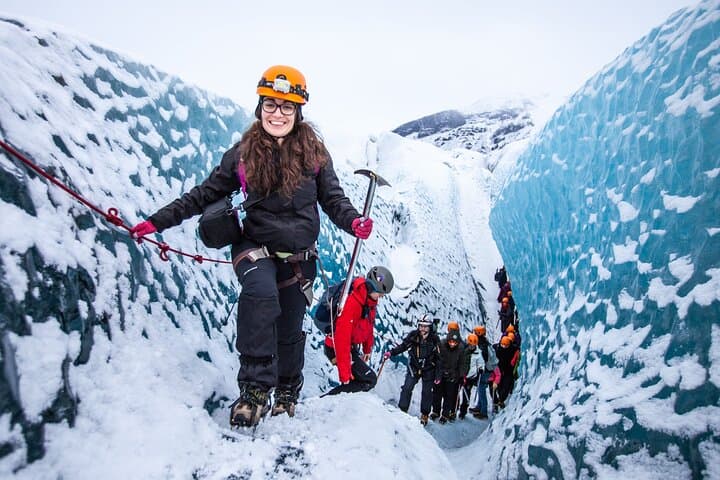
Beneath a sky of shifting light, Skaftafell’s ice reads like a map of time. This three-hour guided glacier hike mixes technical instruction with geology and culture: compact, safe, and unforgettable.
 Related story
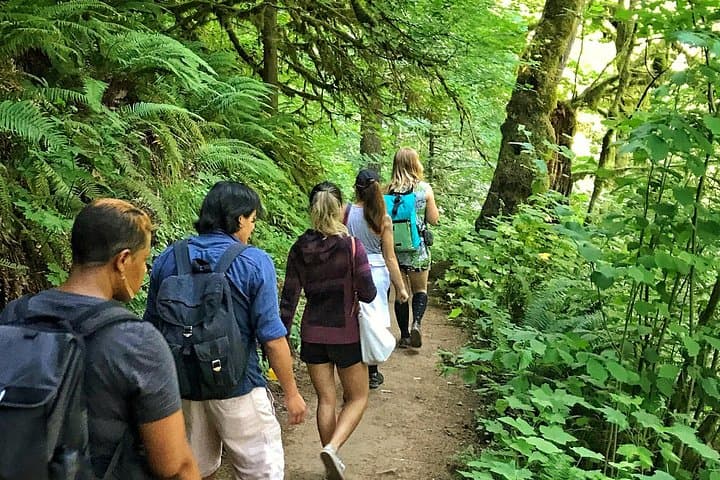
Lose the city for a few hours without leaving it: this 5-mile, 900-foot-gain Forest Park loop threads old-growth pockets, city viewpoints, and cultural landmarks for a compact taste of Portland’s wild side. Expect moss, roots, and stories.