
What the day feels like
At low tide, the marsh exhales. The creeks narrow into polished ribbons and the pluff mud wakes up, rich and earthy, as if the coast itself just brewed coffee. You slide a kayak into the Beaufort River and the water—warm, tea-brown, and briny—nudges your bow like a curious neighbor. Spartina grass leans and nods in the breeze. An egret lifts off, letter-perfect against a sky the color of fresh cotton. This is Beaufort’s salt marsh at its most honest: exposed, working, alive.
The Salt Marsh Ecology Tour is the kind of outing that turns a map into a conversation. Guided and timed with the tide, it slips you from downtown Beaufort into a living classroom in minutes. The paddle is smooth and unrushed, with just enough current to remind you that the Atlantic is pulling the strings out beyond the Port Royal Sound. Your guide keeps the cadence mellow, pointing out oyster rakes glinting like knuckles at the creek edges, and the silent work of periwinkle snails mowing algae from stalks of cordgrass.
Soon, a sandbar emerges—a pale, inviting runway in the channel. The river dares you to step out. Barefoot or in water shoes, you plant into cool sand and the marsh answers back with the soft, comic squelch of pluff mud. A cast net blooms across the water; the mesh lands with a sigh and returns with a microcosm in its hold—shrimp flicker like punctuation marks, juvenile blue crabs posture, a few minnows zip for the corners. It’s part field lab, part treasure hunt, and a clear reminder that these creeks are nurseries for the Lowcountry’s seafood and the broader Atlantic food web.
Beaufort, founded in 1711, grew up around these waters. Fishermen, shrimpers, and Gullah Geechee communities have read the marsh like a ledger for centuries, noting seasons by what the tide delivers. That heritage still hums through town—from the working skiffs tied along the waterfront to oyster shells clacking underfoot on old driveways. Paddle here and you don’t just see history; you feel how it persists. The marsh insists on it.
Geology writes the rules in saltwater and mud. Here, tides typically swing six to eight feet, breathing the creeks in and out, feeding the cordgrass (Spartina alterniflora), and stacking oyster reefs like living breakwaters. Those oysters filter the water, a million patient lungs keeping the marsh clear. On this tour, the tide sets the plot. Low water lays out sandbars. Channels gather their thoughts. Dolphins roll through with deliberate grace, their dorsal fins cutting signatures you won’t forget. And when the wind picks up, the marsh responds as a single creature—grass rattling, channels fretting, current pushing forward.
What makes the Salt Marsh Ecology Tour stand out isn’t just the scenery; it’s the way the experience strips down the barriers to understanding. You don’t need a biology degree, only curiosity and a paddle. Timed to low tide, the tour’s 2.5-hour window is long enough to feel immersed without ever dragging. Kids light up at the cast net demo; adults find their shoulders settling into the rhythm of the stroke. If you’re planning, know this: children under 12 must ride tandem. It’s a smart safety move and a good way to keep a family paddling in sync.
There’s a practical edge to the magic. Sunscreen matters, as does a liter of water per person. You’ll want closed-toe water shoes that can handle mud—the marsh will try to keep whatever you step in with. Lightweight gloves (bike or golf) ease the grip on your paddle, and a dry bag saves your phone from an unexpected dip. Your guide provides the kayak, paddle, and PFD; you provide the sense of wonder and a willingness to let the tide set your schedule.
As coastal travel goes, Beaufort is comfortably accessible. Base in town, stroll the Henry C. Chambers Waterfront Park, and time your paddle for the day’s low tide. The salt marsh works on its own clock, and that’s part of the appeal. When the water drops, sandbars build confidence and channels reveal hidden contours. That’s when the tour launches, and that’s when the marsh speaks plainly.
The wildlife here is the draw you can’t schedule but can reasonably expect. Bottlenose dolphins are frequent collaborators in these narrow creeks, corralling mullet against the banks and surfacing with purposeful exhalations that sound like advice. Osprey stitch the sky with arcs and pauses; pelicans commute in stately lines; great egrets and snowy egrets unfurl a different kind of patience, easing from shadow to sun to stalk their prey. The marsh isn’t just scenic—it’s working, and on this paddle, you’re part of the day shift.
After the sandbar stop, the current coaxing you home feels earned. The water flicks past the hull; the town’s waterfront drifts back into view. The tour ends where it began, but you don’t quite come back the same. You’ve mapped a little more of the Lowcountry onto your senses. And you’ve gained the quiet confidence that comes from moving well on water.
If you want to book or learn more, connect with local experts through this guide’s partner page: <a href="https://app.advcollective.com/local-experts/water-activities-beaufort-kayak-tours-salt-marsh-ecology" target="_blank">Salt Marsh Ecology Tour details and availability</a>. It’s also where you’ll find logistics on timing and what’s included, plus seasonal notes—especially helpful in a place where tides write the script. For broader planning or to compare similar outings, start with our curated <a href="https://app.advcollective.com/local-experts/water-activities-beaufort-kayak-tours-salt-marsh-ecology" target="_blank">water-activities recommendations in Beaufort</a>. And when you’re ready to paddle, put your bow into the wind and let the marsh lead. It always does.
Ready to go? Book with the outfitter directly here: <a href="https://app.advcollective.com/local-experts/water-activities-beaufort-kayak-tours-salt-marsh-ecology" target="_blank">check dates, tides, and guides</a>—then set your watch to Lowcountry time.
Trail wisdom
Small choices, better day.
Time It With Low Tide
This tour runs at low tide for sandbar access and clear channel views—confirm your meeting time, which shifts daily with the tide.
Footwear That Won’t Quit
Wear snug water shoes with closed toes; pluff mud grips flip-flops and won’t let go.
Beat the Glare
Polarized sunglasses make it easier to spot fish, birds, and oyster beds beneath the surface shimmer.
Hydrate Early
Bring at least 1 liter of water per person and start sipping before you launch to stay ahead of the heat and humidity.
Local knowledge
Read the place, not just the route.
Watch for native species including Bottlenose dolphin, Great egret.
Keep an eye out for wildlife during the transition between areas and habitats. Respect distance guidelines.
Salt marshes act as nurseries for coastal species and buffers for storms. Avoid stepping on oyster reefs, pack out all trash, and use mineral or reef-safe sunscreens.
Follow the guide's instructions on size limits, ethical handling, and leave-no-trace practices.
Cypress Wetlands Boardwalk in Port Royal for an easy pre- or post-paddle bird walk. The Sands Beach at Port Royal for sunset views and shark tooth hunting
Locally recommended viewpoints and quiet spots known best to local operators.
Established in 1711, Beaufort sits within the Gullah Geechee Cultural Heritage Corridor and has long relied on marsh-born fisheries—shrimp, oysters, and blue crab.
Maritime roots and regional tradition shape the waterways and working coasts.
Seasonal guide
Four versions of the same landscape.
Spring
Best forMigratory bird sightings · Mild temperatures
ChallengesGusty sea breezes · Pop-up showers
Expect comfortable paddling temps and active wildlife. Breezes can be brisk; bring a light layer and keep an eye on quick-moving clouds.
Summer
Best forWarm water swims · Long daylight hours
ChallengesHigh heat and UV · Afternoon thunderstorms · Biting insects
Mornings are best to avoid heat and storms. Sunscreen, hydration, and insect repellent are essential.
Fall
Best forClear skies · Peak baitfish and shrimp activity
ChallengesOccasional king tides · Variable winds
Crisp air and excellent wildlife viewing make this prime time. Watch for higher-than-normal tides during new/full moons.
Winter
Best forQuiet waterways · Stellar bird photography
ChallengesCool temps · Wind chill on open water · Shorter days
Bundle up with windproof layers; the marsh is peaceful and visibility is great without summer haze.
Pack with intention
What to bring.
Good to know
Common questions.
Yes. Guides provide a quick orientation and set an easy pace on protected water. It’s a calm, low-tide paddle designed for beginners and families.
Plan the edges
The details that make the day easier.
South Carolina contains roughly 344,500 acres of salt marsh—one of the largest continuous expanses on the U.S. East Coast, dominated by smooth cordgrass (Spartina alterniflora).
After you towel off, stroll the waterfront and grab local shrimp tacos at Plums, barbecue at Q on Bay, or head to Fishcamp on 11th Street in Port Royal for marsh views. For a pint and live music, try Shellring Ale Works—easygoing Lowcountry vibes, best enjoyed at sunset.
- Closest airports
- Savannah
- Hilton Head (SAV, ~1 hour) or Charleston (CHS, ~1.5–2 hours). Launch
- downtown Beaufort area—exact meeting spot provided upon booking. Drive time: minutes from most Beaufort lodgings. Cell service: generally strong near town. Permits: none required for participants; PFDs and kayaks provided by the outfitter.
Oyster reefs here filter water and protect shorelines—each oyster can filter up to 50 gallons a day. Avoid stepping on reefs, paddle at a respectful distance from wildlife, and pack out every scrap of trash.
Explore by topic
Follow the threads.
Keep exploring
Make the story part of the trip.
In four hours you can move from shaded canyon ferns to wind-scoured coastal ridgelines, guided by someone who knows where the light—and the hidden views—live. This private half-day hike on the Monterey Peninsula or Big Sur is compact, curated, and perfect for travelers who want depth without a multiday commitment.
 Related story
Beneath a sky of shifting light, Skaftafell’s ice reads like a map of time. This three-hour guided glacier hike mixes technical instruction with geology and culture: compact, safe, and unforgettable.
 Related story
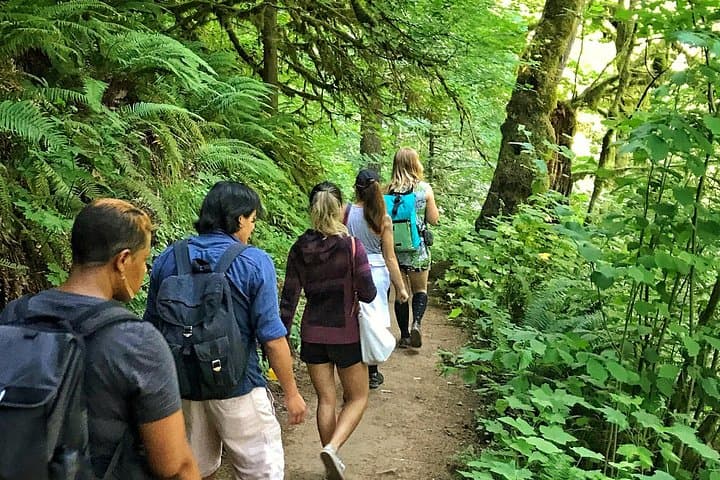
Lose the city for a few hours without leaving it: this 5-mile, 900-foot-gain Forest Park loop threads old-growth pockets, city viewpoints, and cultural landmarks for a compact taste of Portland’s wild side. Expect moss, roots, and stories.