
What the day feels like
<p>The first thing you notice as you step into the kayak is how the river breathes. The Lafayette River moves with a patient intelligence — a slow swell that nudges you forward, salt-sweet on the air, reeds whispering along the banks. In 90 minutes it can seem like the entire Chesapeake Bay has been funneled into a narrow green corridor; herons stalk the shallows, and, if the tide is right, a pod of dolphins will appear like punctuation in the story the river is telling.</p>
<p>On Norfolk Kayak Rentals’ <a href="https://app.advcollective.com/local-experts/nature-eco-tour-norfolk-virginia">Nature & Eco Tour</a>, the river does more than provide scenery — it narrates a recovery. The Lafayette once shared the fate of the larger Elizabeth River: heavily industrialized, catalogued as ecologically compromised. That story has been changing since community groups, municipal partners, and dedicated nonprofits such as the Elizabeth River Project began stitching back habitat, seeding oysters and restoring shoreline wetlands. As your guide explains oyster restoration and urban clean-up projects, the river becomes a visible ledger of those efforts: cleaner water, returning fish, bald eagles wheeling above.</p>
<p>The tour covers roughly 2.5–3 miles at a leisurely pace, which gives you time to look and listen. Guides balance natural history, hands-on conservation context, and paddling coaching; the trip is accessible to beginners but asks participants to paddle the majority of the route. The Lafayette can feel intimate — narrow tributaries, culverted bridges, and back channels that encourage you to slow down and notice the small stuff: fiddler crabs honing their shoreline architecture, oyster spat clinging to a restored reef, or a lone river otter cracking a shell on a rock.</p>
<p>Geologically, the Lafayette is a tidal estuary — a place where river and bay meet and push each other around. That push-and-pull makes the river dynamic: currents shift with the tide, salinity changes along its length, and wildlife follows food and shelter. The tour is structured around those natural rhythms, timing departures to match favorable tides whenever possible so that guides can demonstrate how currents influence habitat and the best places to spot wildlife.</p>
<p>There’s a civic beat to the experience too. The Elizabeth River Project’s work — from the Dominion Energy Learning Barge to community oyster restoration — is woven into the narration. Booking this <a href="https://app.advcollective.com/local-experts/nature-eco-tour-norfolk-virginia">Nature & Eco Tour</a> also has a tangible impact: proceeds benefit local restoration work, a direct way to support recovery while seeing it in action.</p>
<p>Practicalities are straightforward. You’ll be on the water for 90 minutes, covering an easy 2.5–3 miles with minimal elevation gain (it’s water, not mountain). Expect a mix of open-water stretches and sheltered channels; winds can make the open sections choppier and back creeks can feel glass-smooth. Guides outfit guests with sit-on-top kayaks or stable recreational boats and personal flotation devices; basic paddling instruction is included. The best time of day is early morning or late afternoon when light softens and wildlife is most active.</p>
<p>For photographers, the river rewards patience. Low angles from the kayak make for dramatic shoreline shots; backlit birds and reflections are common at golden hour. Move slowly and let the guide position you for framing rather than racing for coverage. On the conservation side, remember that these animals are part of a fragile rebound — keep distance, avoid sudden splashes near feeding animals, and follow your guide’s instructions.</p>
<p>Who should do this trip? Urban travelers who want an accessible nature immersion, families with curious kids (all ages welcome), and anyone interested in seeing coastal restoration up close. The trip is pragmatic — it won’t test your endurance — but it delivers the kind of quiet, observable wildlife moments that feel big precisely because they’re rare in a city setting.</p>
<p>Book through the operator and arrive prepared: bring sun protection, a dry bag for your phone, and a sense of curiosity. If you go hoping for a show, you might be rewarded by dolphins leaping or an eagle spiraling overhead; if you go hoping to learn, you’ll leave knowing ways to help a watershed recover. Either way, the Lafayette River will have nudged you forward.</p>
<p>Reserve your spot at the <a href="https://app.advcollective.com/local-experts/nature-eco-tour-norfolk-virginia">Nature & Eco Tour</a> and watch a city river tell its comeback story.</p>
Trail wisdom
Small choices, better day.
Time the Tide
Departures often align with favorable tides — ask the operator for the best launch windows to maximize wildlife sightings and easier paddling.
Bring a Dry Bag
Keep your phone, keys, and layers in a small dry bag; splashes are common on open stretches.
Layer for Sun and Wind
A lightweight windbreaker and sun protection are useful — the river can feel cooler on the water even on warm days.
Follow Wildlife Etiquette
Keep distance from dolphins and birds, avoid chasing animals, and listen to your guide to minimize disturbance.
Local knowledge
Read the place, not just the route.
Watch for native species including Bottlenose dolphins, Bald eagles.
Keep an eye out for wildlife during the transition between areas and habitats. Respect distance guidelines.
This tour supports the Elizabeth River Project’s on-the-ground work (oyster restoration, cleanup and education); visitors are encouraged to minimize impact and follow leave-no-trace principles.
Follow the guide's instructions on size limits, ethical handling, and leave-no-trace practices.
Paradise Creek Nature Park — a quiet launch and birding spot adjacent to restored wetlands. Oyster restoration beds along the Lafayette branch — small, visible reef projects that highlight local recovery work
Locally recommended viewpoints and quiet spots known best to local operators.
The Elizabeth River and its tributaries were heavily industrialized in the 20th century; community-driven restoration since the 1990s has reversed many signs of decline.
Maritime roots and regional tradition shape the waterways and working coasts.
Seasonal guide
Four versions of the same landscape.
Spring
Best forBirdwatching · Mild temperatures · Oyster restoration viewing
ChallengesUnpredictable rain · Higher boat traffic on warm days
Spring brings migrating birds and active restoration projects; water temperatures are cool and the river wakes up after winter.
Summer
Best forDolphin sightings · Evening paddles · Long daylight hours
ChallengesHeat and sun exposure · Increased boat traffic
Summer delivers abundant wildlife and warm water, but plan for sun protection and earlier or later paddles to avoid midday heat.
Fall
Best forCrisp light for photos · Fewer crowds · Comfortable paddling temperatures
ChallengesShortening days · Cooler mornings
Fall offers calm water, clear skies, and great photographic light as migratory patterns shift.
Winter
Best forQuiet paddles · Clear visibility · Bald eagle sightings
ChallengesCold temperatures · Reduced wildlife activity
Winter trips are quieter and can reward early-arrival eagle sightings; dress warmly and check conditions.
Pack with intention
What to bring.
Good to know
Common questions.
The tour runs about 90 minutes and covers approximately 2.5–3 miles at a leisurely pace.
Plan the edges
The details that make the day easier.
The Elizabeth River Project’s cleanup efforts, including the Money Point remediation, contributed to a documented six-fold reduction in fish cancer rates in affected reaches.
After paddling, head to downtown Norfolk’s waterfront for fresh seafood and craft breweries or explore the historic Ghent neighborhood for cafes and pastries — local eateries spotlight Chesapeake Bay seafood.
- Closest airport
- Norfolk International Airport (ORF)
- Launch
- Lafayette River in Norfolk (confirm with operator)
- Driving time from downtown Norfolk
- typically 10–20 minutes
- Cell service
- intermittent in back channels
- Permits
- none required for guided tours; booking with operator recommended
This tour directly supports local restoration: pack out all trash, avoid disturbing wildlife, and follow guide instructions to protect sensitive shoreline habitat.
Explore by topic
Follow the threads.
Keep exploring
Make the story part of the trip.
In four hours you can move from shaded canyon ferns to wind-scoured coastal ridgelines, guided by someone who knows where the light—and the hidden views—live. This private half-day hike on the Monterey Peninsula or Big Sur is compact, curated, and perfect for travelers who want depth without a multiday commitment.
 Related story
Beneath a sky of shifting light, Skaftafell’s ice reads like a map of time. This three-hour guided glacier hike mixes technical instruction with geology and culture: compact, safe, and unforgettable.
 Related story
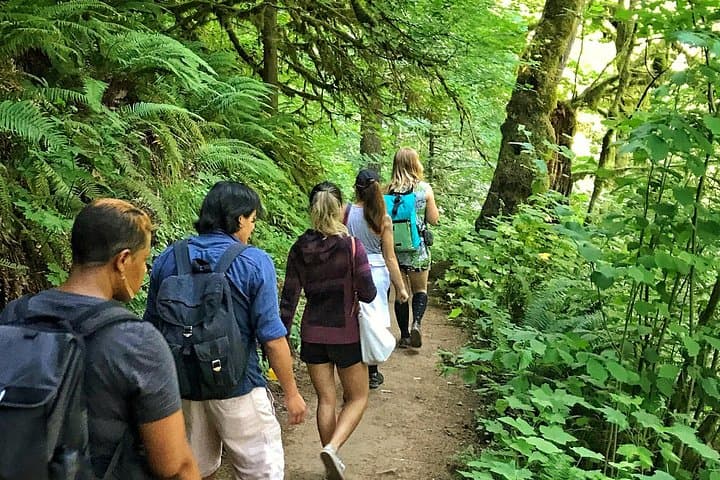
Lose the city for a few hours without leaving it: this 5-mile, 900-foot-gain Forest Park loop threads old-growth pockets, city viewpoints, and cultural landmarks for a compact taste of Portland’s wild side. Expect moss, roots, and stories.