
What the day feels like
You push off from a small concrete ramp as the sun warms the stone of the quay. The sea exhales salt and light; the water around the kayak answers with a steady lap that feels almost conversational—sometimes encouraging, sometimes insistent. Ahead, low limestone cliffs and scrub slope into scattered coves. Behind, Athens’ skyline is a distant whisper. For the next six hours you will trade the city's noise for the noise of water, wind, and a two-part itinerary that pairs sea kayaking along the Megara–Salamina coastline with a playful rail-bike ride along a disused coastal line.
The route threads through a landscape where geology and history occupy the same conversation. These waters stage the memory of the Battle of Salamis (480 BCE), when triremes and strategy turned the tide against the Persian fleet. You paddle over sedimentary shelves cut from ancient seabeds; pebbled coves reveal cross-sections of a coastline shaped by slower forces—tectonics nudging the Aegean, the wind shearing at scrub. The sea, here, feels like a storyteller. Currents have personality: they test your strokes on exposed points, flirt with your bow in narrow channels, and cradle you in protected bays.
Sea kayaking on this stretch is accessible but honest. Expect 8–12 kilometers of paddling—roughly 2.5–3 hours including stops—along a mosaic of open water and sheltered inlets. The water is mostly calm in the lee of Salamina and the Megara coast, but Meltemi gusts can rouse short chop in summer afternoons. Your guides will brief you on basic strokes, bracing, and group formation; they read the water like a map of microclimates and will choose lines that match wind and skill levels.
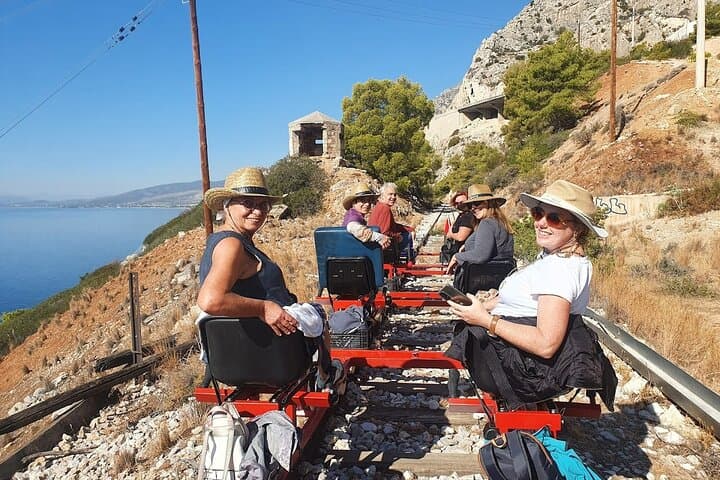
After salt and sun comes something unexpectedly joyful: a rail-bike pedal along a dormant coastal railway. Imagine two-person pedal rigs clicking along a low embankment with sea views to one side and olive groves and scrubby hills to the other. It's mostly flat—an easy cadence that lets you chat, take photos, and feel a pleasant burn in the legs. The rail-bike leg typically covers 10–20 kilometers at a leisurely 8–12 kph, offering a different pace and a view of linear coastal geology: terraces, old stone retaining walls, and small fishing hamlets that rarely appear on guidebook maps.
This combo is a reminder that Greece’s best outings mix natural beauty with layers of human history. You’ll pass markers of the modern coastal economy—small fish farms, boatyards, and family-run tavernas—alongside invisible traces of the classical world. Guides often point out local names, small chapels clinging to headlands, and the particular slate-gray of the shoreline rocks that fishermen prize.
Practicalities matter. The full experience runs 6–8 hours (420–480 minutes), usually leaving Athens mid-morning and returning by late afternoon. Pack light but smart: a dry bag for electronics, sun protection, a refillable water bottle, and comfortable footwear for getting on and off boats. The sea leg requires focused but basic paddling skills; you don’t need to be an athlete, but a moderate level of fitness and comfort in open water will make the day easier and more fun.
Timing can define the trip. Spring and early autumn have the best combination of winds, water temperature, and light—cool mornings, warm afternoons, and fewer day-trippers. In summer, start early to avoid the heat and the brunt of midday winds. Winter trips are possible but expect choppier seas and fewer services onshore.
On the cultural side, plan to extend the day. Salamina and nearby Megara offer simple seaside tavernas with grilled fish and citrus salads—food that feels like the natural conclusion to an ocean-fresh day. Piraeus, a short return ride from the meeting point, has a lively fish market and waterfront bars where you can toast sweat and salt with ouzo or local wine.
Safety is straightforward when you plan ahead: follow the guide’s instructions, monitor wind and sun exposure, hydrate frequently, and choose footwear that can handle rocks and a little shell grit. The sea encourages a respectful posture; it rewards patience and good seamanship.
For anyone who wants a day where gear and rhythm match the coastline—paddles dipping in measured time, pedals turning in friendly competition—this combo offers satisfying variety. It’s a day that opens the senses and compresses history: you experience a naval theater with the ease of being part of it rather than studying it from afar. Whether you’re chasing maritime history, a different kind of cardio, or simply a coastline that still feels honest and local, this tour gives you both velocity and viewpoint.
At its best, the tour leaves you quietly pleased: sore in the right places, salt on your lips, and a new map in your head of where the city ends and the sea begins. It’s the sort of day that turns an ordinary visit to Athens into a coastal memory—one you can return to in the quiet hours, long after the expended muscles have settled into contentment.
Trail wisdom
Small choices, better day.
Check Wind Windows
Morning and late-afternoon winds differ—ask your guide about the day’s Meltemi forecast and plan paddling accordingly.
Layer for Spray and Sun
A light waterproof shell and a sun shirt together beat both wind chill and harsh UV exposure.
Footwear That Grips
Beach shoes or lightweight approach shoes protect feet on rocky ramps and shore landings.
Hydrate and Snack
Bring a refillable water bottle and compact snacks—electrolytes help on longer summer days.
Local knowledge
Read the place, not just the route.
Watch for native species including Cormorant, Occasional Mediterranean monk seal sightings (rare).
Keep an eye out for wildlife during the transition between areas and habitats. Respect distance guidelines.
Avoid anchoring or beaching on Posidonia meadows and pack out all waste; local marine habitats are sensitive and recovering.
Follow the guide's instructions on size limits, ethical handling, and leave-no-trace practices.
Small pebble coves west of Salamina town for a quiet swim. A cliffside chapel visible from the rail line that makes a scenic photo-stop
Locally recommended viewpoints and quiet spots known best to local operators.
The waters between Salamina and the Attica mainland were the theater of the Battle of Salamis in 480 BCE, a decisive naval victory for the Greeks against Persia.
Maritime roots and regional tradition shape the waterways and working coasts.
Seasonal guide
Four versions of the same landscape.
Spring
Best forCool paddling conditions · Wildflowers and fewer crowds
ChallengesOccasional strong winds · Variable water temperatures
Spring offers mild temperatures, steady winds, and some of the clearest light for photography—ideal for paddling and cycling before the summer crowds arrive.
Summer
Best forWarm water swims · Long daylight hours
ChallengesStronger afternoon Meltemi winds · Higher temperatures and sun exposure
Summer delivers warm seas and full-day light but plan early starts and sun protection to avoid midday heat and gusty afternoons.
Fall
Best forCalmer seas after summer · Pleasant cycling weather
ChallengesShortening daylight · Unpredictable autumn storms
Fall mirrors spring with calm water and comfortable temperatures; it's a strong alternative window for this combo trip.
Winter
Best forQuiet shorelines · Off-season pricing
ChallengesCool water and air temperatures · Rough conditions possible
Winter trips are quieter but require robust rain and wind protection; sea conditions can be rougher, so book only if the operator confirms safety.
Pack with intention
What to bring.
Good to know
Common questions.
Most departures meet in central Athens or a pre-arranged nearby marina—confirm pickup details when you book; typical departure is mid-morning to fit both activities comfortably.
Plan the edges
The details that make the day easier.
The Battle of Salamis (480 BCE), fought in the straits near Salamina, was a pivotal naval clash that helped stop the Persian advance into Greece.
After paddling, head to a seaside taverna in Salamina town or the Piraeus waterfront for grilled fish, lemony greens, and local wine—follow the locals’ lead for the best small-plate finds.
- Closest airport
- Athens International (ATH); Typical drive
- ferry from Athens center
- 45–75 minutes depending on meeting point; Cell service: generally good on main islands but intermittent on some coves; Permits: none required for recreational day use.
These coastal waters host sensitive Posidonia seagrass beds—avoid trampling or anchoring on seagrass, pack out all waste, and support local operators who follow low-impact practices.
Explore by topic
Follow the threads.
Keep exploring
Make the story part of the trip.
In four hours you can move from shaded canyon ferns to wind-scoured coastal ridgelines, guided by someone who knows where the light—and the hidden views—live. This private half-day hike on the Monterey Peninsula or Big Sur is compact, curated, and perfect for travelers who want depth without a multiday commitment.
 Related story
Beneath a sky of shifting light, Skaftafell’s ice reads like a map of time. This three-hour guided glacier hike mixes technical instruction with geology and culture: compact, safe, and unforgettable.
 Related story
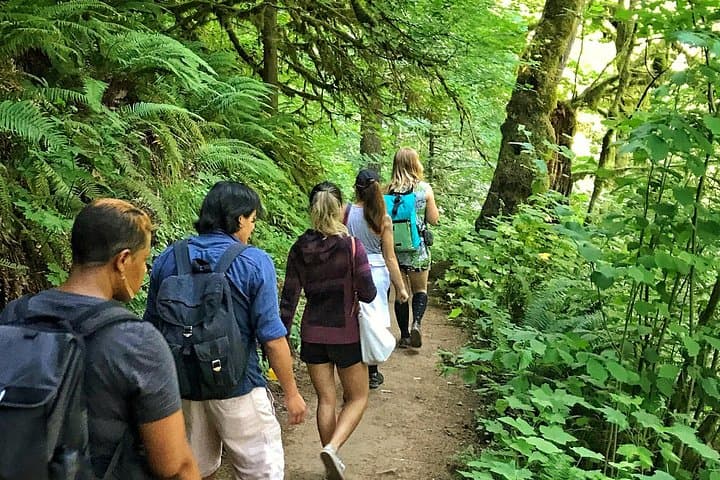
Lose the city for a few hours without leaving it: this 5-mile, 900-foot-gain Forest Park loop threads old-growth pockets, city viewpoints, and cultural landmarks for a compact taste of Portland’s wild side. Expect moss, roots, and stories.