
What the day feels like
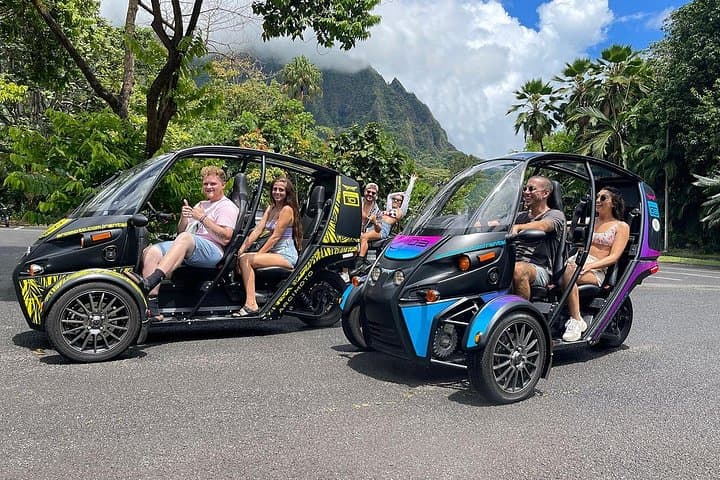
You pull away from the rental kiosk and the island folds open in front of you. Salt-laced trade winds reach into the open cockpit, the sun warming your forearms, and the coastline unspools—small coves, green cliffs, and the occasional stand of palms that sway like metronomes. The FUV is modest in scale but loud in personality: compact, nimble, and impossibly well suited to Kauaʻi's narrow coastal roads. For four hours you are unrushed, responsible for your own route, and accountable to the island's rhythm rather than a tour guide's timetable.
Kauaʻi wears its history in layers. Once the Hawaiian kingdom's breadbasket and a center for sugar cultivation, the island now balances tourism, local life, and the protection of fragile ecosystems. Driving through Poipu on the south shore, you pass old plantation buildings repurposed as galleries and cafes. Head east toward Kapaʻa and the vibe shifts—boardwalks, surf shops, and a more lived-in shoreline. Geologically, Kauaʻi is the oldest of the main Hawaiian Islands, its cliffs and valleys carved by millions of years of rain and lava flows; the island feels weathered in the best way, ancient and immediate at once.
The FUV lets you move between these scenes with a kind of conversational intimacy. Unlike a van or a bus, it frames the landscape—sound, scent, and light—in the foreground. Ocean spray dares the road’s edge, and in spots the surf seems to push the pavement forward. The vehicle’s small footprint makes parking easier, and its open-air design lends itself to spontaneous stops: a roadside shave ice stand, a stray hen crossing a parking lot, a stretch of reef visible through tidal pools.
Culturally, Kauaʻi is anchored by aloha that is both warm and practical. Locals will tell you where the currents run strong, where to catch sunset without crowds, and which eateries squeeze the best coconut syrup into pancakes. Respect the rhythm and you’ll find conversations at market stalls, directions written on napkins, and a generosity that feels earned rather than performative.
Practicality sits at the center of this type of self-guided outing. The tour is four hours—long enough to taste the island but short enough to keep plans fluid. Drivers must be 21 or older, carry a valid license, and provide proof of personal vehicle insurance; these are not negotiable. Expect a compact vehicle with a small cargo area, so pack light and prioritize essentials. Roads in Poipu and Kapaʻa are paved and generally forgiving, but surf-splashed shoulders and sudden rain squalls can create slick patches. Keep speeds sensible, and treat the experience like guided curiosity rather than an off-road sprint.
Timing matters. Morning rides catch softer light and cooler temperatures; late afternoon opens the coast to cinematic sunsets. Weekends bring more traffic near popular beaches; weekdays offer calmer parking and more space for exploration. Weather is variable: the south shore is typically drier, the east coast greener and more rain-kissed. Wherever you go, the island rewards slow attention.
For photographers, the FUV is a boon: quick pullouts, variable vantage points, and no windows between you and the scene. For families, the compact design encourages conversation and shared discovery. For solo travelers or couples, it’s a contained adventure with the independence of a road trip and the safety net of a rental company that provides clear instructions and a mapped route suggestion.
Respect is the final, essential instruction. Stay off private property and fragile shorelines, use reef-safe sunscreens, and pack out what you bring in. The island’s ecosystems are resilient and vulnerable in equal measure; the best souvenir you leave with is a lighter footprint.
If you want to structure your day, consider a loop: a slow coastal cruise, a beach stop for a walk or snorkel, a picnic with local fruit, and a sunset lookout. Let the island nudge you toward detours. The FUV is small enough to feel like a local’s ride and robust enough to make an island afternoon feel like an expedition. Four hours is the perfect length to collect a series of decisive moments—from the shout of a distant surfer to the stillness of a tide pool—without wearing yourself out.
By the time you return the keys, the island will have retold its story to you in small scenes. You’ll have walked a quiet beach, overheard a kitchen’s punchline, and watched clouds migrate across a reef. The FUV Self Guided Island Adventure is, at heart, a permission slip: to be present, to be curious, and to navigate Kauaʻi at human speed. For travelers who want a strong sense of place with a light logistical footprint, it’s a smart, kinetic way to spend an afternoon on an island that insists on being seen slowly and well.
Trail wisdom
Small choices, better day.
Carry ID and insurance
You must present a valid drivers license and proof of personal vehicle insurance at pickup.
Start early
Morning light is cooler, roads are quieter, and parking at popular beaches is easier.
Use reef-safe sunscreen
Protect coral and marine life by choosing sunscreens labeled reef-safe.
Pack light and secure
Storage is limited—bring a small daypack and secure loose items against wind.
Local knowledge
Read the place, not just the route.
Watch for native species including Green sea turtles (honu), Nene (Hawaiian goose).
Keep an eye out for wildlife during the transition between areas and habitats. Respect distance guidelines.
Kauaʻi relies on careful visitor behavior—stick to trails, avoid stepping on reef, and use reef-safe products to protect marine ecosystems.
Follow the guide's instructions on size limits, ethical handling, and leave-no-trace practices.
Kipukai Baby Beach in Poipu for calmer snorkeling. Wailua River lookout for an uncrowded perspective of the east shore
Locally recommended viewpoints and quiet spots known best to local operators.
Poipu and Kapaʻa grew around plantation-era agriculture; many historic buildings have been adapted into local businesses and eateries.
Maritime roots and regional tradition shape the waterways and working coasts.
Seasonal guide
Four versions of the same landscape.
Spring
Best forMild temperatures · Fewer crowds · Wildflower viewing
ChallengesOccasional showers · Variable surf at exposed beaches
Spring offers mild weather and thinner crowds, making coastal drives pleasant and stops more relaxed.
Summer
Best forWarm ocean swims · Long daylight hours · Surfing displays
ChallengesHigher humidity · Bigger crowds at beaches
Summer delivers reliable sun and good conditions for beach stops, though popular spots fill up fast.
Fall
Best forClear skies · Lonely beaches · Good snorkeling
ChallengesHeat pockets and occasional tropical swell
Fall is a sweet spot for quieter roads and stable weather—ideal for photography and snorkeling.
Winter
Best forDramatic surf viewing · Whale watching offshore · Lush inland scenery
ChallengesHeavy rain on the windward side · Stronger ocean currents
Winter brings big surf and greener landscapes but also heavier rain on the east coast—drive cautiously.
Operator details
What the booking data adds.
Included
- ✓• FUV Rental • Bluetooth on board • USB Port
Not included
- —Parking Fees
Good to know
- ✓Public transportation options are available nearby
- ✓Not recommended for pregnant travelers
- ✓Suitable for all physical fitness levels
- ✓Must be 21 to drive Passenger older than 7 or able to sit in seat without booster
- ✓Does not accommodate car seats or booster seats
- ✓Credit Card needed at time of pickup for incidentals
- ✓Not recommended for larger passengers. This requires two Three-point seat belts to operate.
- ✓Combined weigh limit of 500lbs
- ✓Not recommended if you do not drive a vehicle, or have issues driving on roads with other vehicles.
- ✓Please note: Our FUVs have two seatbelts that need to be crossed and buckled properly. If you have difficulty with seatbelts in your own vehicle—due to size or mobility—you may also find it challenging to secure yourself comfortably in our FUV. Please take note and Consider this before booking.
Pack with intention
What to bring.
Good to know
Common questions.
No special license is required—drivers must be 21 or older and present a valid U.S. or international drivers license.
Plan the edges
The details that make the day easier.
Kauaʻi is the oldest of the main Hawaiian Islands, with parts of the island estimated to be about 5 million years old, which is why its valleys and cliffs feel so deeply carved.
After your drive, grab poke or fresh fish at Koloa Fish Market, watch the sunset with an oceanfront plate at The Beach House in Poipu, or try shave ice at a Kapaa roadside stand—local food spots are where island stories surface.
- Closest airport
- Lihue Airport (LIH); Typical drive from Lihue to Poipu: ~25 minutes (16 miles); Cell service: reliable along main roads, patchy in remote coves; Permits
- paperwork
- valid drivers license and proof of personal vehicle insurance required; pickup location confirmed in booking email.
Stay on paved roads and public parking areas, use reef-safe sunscreen, avoid disturbing shorebird nesting areas, and support local businesses to contribute directly to the island economy.
Explore by topic
Follow the threads.
Keep exploring
Make the story part of the trip.
In four hours you can move from shaded canyon ferns to wind-scoured coastal ridgelines, guided by someone who knows where the light—and the hidden views—live. This private half-day hike on the Monterey Peninsula or Big Sur is compact, curated, and perfect for travelers who want depth without a multiday commitment.
 Related story
Beneath a sky of shifting light, Skaftafell’s ice reads like a map of time. This three-hour guided glacier hike mixes technical instruction with geology and culture: compact, safe, and unforgettable.
 Related story
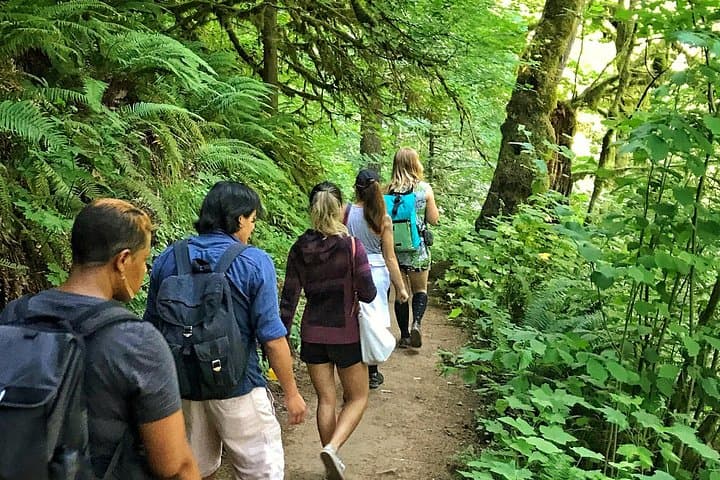
Lose the city for a few hours without leaving it: this 5-mile, 900-foot-gain Forest Park loop threads old-growth pockets, city viewpoints, and cultural landmarks for a compact taste of Portland’s wild side. Expect moss, roots, and stories.