
What the day feels like
You pull out of Philipsburg with the windows down and the Atlantic breathing salt into the van. The road pitches, curves and flattens with a rhythm that feels like a local song—punctuated by the occasional honk from a tuk-tuk and the cry of gulls over the harbor. Your guide points out the Dutch storefronts on the left and, over the ridge, the red-tiled roofs and palm-lined boutiques of Marigot on the French side. In six hours you will cross a country line without a passport stamp, sample roadside fritters, stand on fort ramparts that once watched for corsairs, and pause on beaches so bright they make your camera groan.
Celebrity Island Adventure Tours is a compact, careful education in St. Maarten’s contrasts: the island’s 37 square miles are split between a Dutch Sint Maarten and a French Saint-Martin, and the differences show up in language, architecture, and food. The tour treats the island as a continuous thread of history and geology—volcanic bedrock folded into ridges, coral-fringed bays carved by currents—and it stitches human stories onto that geography. You stop where the land and sea trade favors: a market for pastries in Marigot, a lookout at Fort Louis where the harbor opens like a polished coin, a beach where the Atlantic dares you to jump in.
History is never far from the seat of the van. Fort Louis, clinging to its promontory, whispers of 18th-century colonial rivalry; salt ponds and mangroves tell a quieter story of trade and survival. The Dutch side—Philipsburg’s boardwalks, casinos and duty-free shops—shows a mercantile, maritime past turned present. The French towns, with their cafes and boulangeries, preserve a continental ease. The border feels less like a barrier and more like a seam, visible in street signs and menu prices but invisible as people move back and forth.
Geologically, the island is compact drama. Low volcanic hills rise from coastal plains, snapping into small ridgelines that make for dramatic lookouts of Simpson Bay and Orient Bay. Coral reefs edge many bays; in places the reef is a living wall, in others, a weathered shadow. That variety is why the stops are deliberate—one minute you’re studying colonial stonework, the next you’re learning how waves shape dream beaches like Mullet Bay.
What makes this tour work is its balance: it moves with enough purpose to cover ground and enough leeway to savor it. You’re not herded through photo stops; you are given time—20 minutes at a beach, longer at a market to taste a guavaberry liqueur or pick up a hand-carved souvenir. The price, around $110 per person, buys private-group flexibility: hotel pickups, a local guide whose stories feel lived-in, and little side detours if you want to linger over a coffee.
Practical details matter. The tour runs about six hours, so plan for sun, sudden clouds, and the island’s microclimates. Comfortable shoes that survive sand and cobbles are better than flip-flops. Bring reef-safe sunscreen and a swimsuit; there will be chances to wade. Photography-wise, midday light is bright and clean but harsh—golden-hour stops by the west-facing bays are memorable if your guide times it right. Cell service is reliable in towns and along major roads but can drop near remote coves.
Culturally, the trip is an introduction more than a deep dive. For a richer taste, linger in Marigot’s Saturday market or reserve a table in Grand Case for dinner—the French side’s reputation for food is deserved. Listen to your guide when they talk about local conservation: the island’s reefs and shorebirds need light footprints and respectful snorkel behavior. This tour isn’t a wilderness expedition; it’s a curated island education—equal parts scenic drive, cultural primer and beach day.
Who should go? Casual travelers who want to maximize a cruise stop or first-time visitors who want orientation will find it ideal. Families appreciate the gentle pace and built-in flexibility; photographers and food lovers will get enough variety to plan follow-up days exploring the French side’s restaurants or snorkeling off Pinel Island.
In the end, the tour is a concise way to feel the island’s pulse: a place where two nations share a single horizon, where history and hospitality meet on sun-washed streets. You leave with postcards in your pocket, a taste for local pastries, and the sense that a small island can contain surprising multitudes. If you have an afternoon in St. Maarten and want to come away knowing where to return, this six-hour loop is a persuasive, practical primer.
Duration and logistics are lean by design. Bring sensible footwear, a sun hat, and an appetite for small discoveries: a biscuit from a French bakery here, a panoramic lookout there. The island’s landscapes—quiet, bright, and utterly walkable—do the rest.
Trail wisdom
Small choices, better day.
Start Early
Morning light softens the villages and secures parking at popular lookouts; it also avoids the hottest midday sun.
Pack Reef-Safe Sunscreen
You’ll visit coral-fringed bays—use reef-safe sunscreen and avoid touching corals when snorkeling.
Bring Small Bills
Markets and roadside vendors often prefer cash for snacks and small souvenirs; USD is widely accepted.
Shoes for Sand and Cobble
A pair of sturdy sandals or trail shoes will handle sandy beaches and old fort stonework comfortably.
Local knowledge
Read the place, not just the route.
Watch for native species including Brown pelican, Frigatebird.
Keep an eye out for wildlife during the transition between areas and habitats. Respect distance guidelines.
Reefs and shorebird habitats are sensitive; support local guides who follow reef-friendly practices and avoid single-use plastics on beach stops.
Follow the guide's instructions on size limits, ethical handling, and leave-no-trace practices.
The hilltop Fort Louis viewpoint in Marigot for unobstructed harbor panoramas. A short detour to the salt ponds near Lac Bay for birdwatching
Locally recommended viewpoints and quiet spots known best to local operators.
St. Maarten is a unique island shared by two countries—France and the Kingdom of the Netherlands—its forts and towns reflect centuries of colonial trade and strategic importance.
Maritime roots and regional tradition shape the waterways and working coasts.
Seasonal guide
Four versions of the same landscape.
Spring
Best forShoulder-season calm · Clear water snorkeling
ChallengesOccasional rain showers · Slightly higher humidity
Spring offers warm water and thinner crowds; expect brief showers but generally clear snorkeling conditions.
Summer
Best forWarmest water · Lush vegetation
ChallengesHurricane season risk (Jun–Nov) · Higher humidity and heat
Summer brings hot, tropical days and vibrant plant life—plan around possible afternoon storms and check forecasts during hurricane season.
Fall
Best forFewer tourists · Lower hotel rates
ChallengesLingering cyclone risk · Warmer seas
Fall can be quieter and more affordable, though visitors should watch tropical storm advisories and consider travel insurance.
Winter
Best forDry, sunny weather · Peak festival season
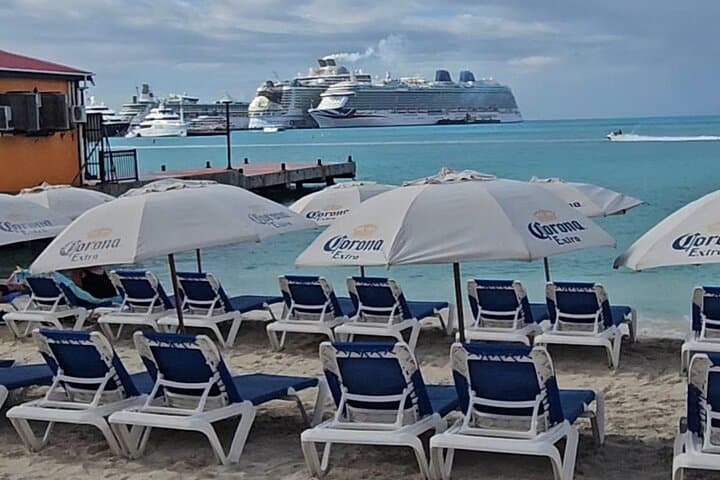
ChallengesBigger crowds and higher prices · Busy ports during cruise season
Winter is the island’s high season: reliably sunny and dry, ideal for sightseeing but expect crowds and premium prices.
Operator details
What the booking data adds.
Included
- ✓Air-conditioned vehicle
- ✓Light refreshments is offered
Not included
- —All meals & alcoholic beverages, are on the visitors account.
- —All meals & alcoholic beverages, are on the visitors account.
Good to know
- ✓Public transportation options are available nearby
- ✓Infants are required to sit on an adult’s lap
- ✓Not recommended for travelers with poor cardiovascular health
- ✓Suitable for all physical fitness levels
Pack with intention
What to bring.
Good to know
Common questions.
The tour is approximately six hours and typically includes hotel pickup, guided stops at Philipsburg, Marigot, Fort Louis, several beaches and scenic lookouts, plus time for snacks and shopping.
Plan the edges
The details that make the day easier.
Saint Martin/Sint Maarten is the smallest landmass in the world divided between two nations—France and the Kingdom of the Netherlands—sharing an open border across the island.
Start with a pain au chocolat in Marigot, shop local crafts in Philipsburg, and finish at a beachfront spot in Simpson Bay or Grand Case for seafood—don’t miss guavaberry liqueur or a local fry bake.
- Closest airport
- Princess Juliana International Airport (SXM); Typical meeting point: hotel pickup or Philipsburg pier; Island driving time end-to-end: under 1 hour; Cell service: good in towns, intermittent in remote coves; Permits: none required for day tours
The island’s reefs and beaches are fragile—use reef-safe sunscreen, carry reusable water bottles, avoid touching coral, and support guides who practice responsible tourism.
Explore by topic
Follow the threads.
Keep exploring
Make the story part of the trip.
Set out from Bass Harbor for a private, customizable day on Blue Hill Bay — lighthouses, puffins, seals, and the chance to feel Acadia from the water. Small groups, local captains, unforgettable views.
In four hours you can move from shaded canyon ferns to wind-scoured coastal ridgelines, guided by someone who knows where the light—and the hidden views—live. This private half-day hike on the Monterey Peninsula or Big Sur is compact, curated, and perfect for travelers who want depth without a multiday commitment.
 Related story
Beneath a sky of shifting light, Skaftafell’s ice reads like a map of time. This three-hour guided glacier hike mixes technical instruction with geology and culture: compact, safe, and unforgettable.