
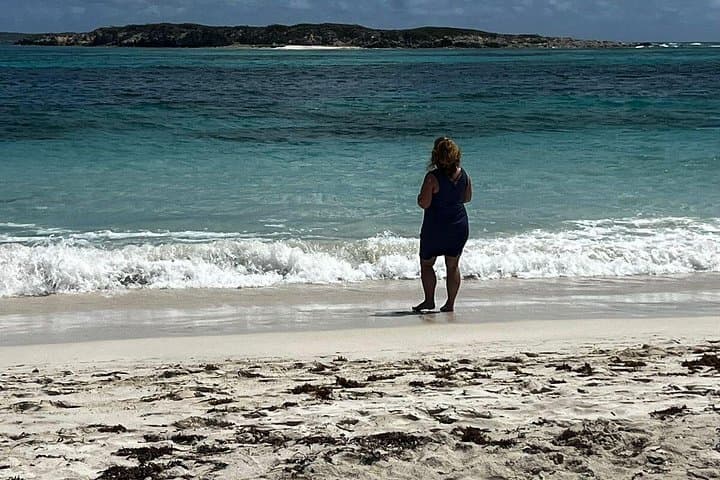
What the day feels like
You step off the van and the wind hits you with the kind of honesty only an island can deliver—salty, warm, insistent. The guide, born on the island and fluent in the quick jokes that grease local conversation, points out the border as casually as someone indicating a favorite coffee shop. One side of the street is French storefronts with baguettes on display; the other is Dutch storefronts with a different cadence to the signs. That is the core rhythm of the Celeb Island Adventure Tour: a compact day that moves at the comfortable speed of discovery—photo stops, a dip in a crystalline bay, a pastry in Marigot, a quick history lesson by a ruined fort—and a lot of small, human moments that add up to something larger than the sum of beaches.
The island of Saint Martin/Sint Maarten wears its geology and history like weather: volcanic bones under a coral crust, steep ridgelines that fall into sugary coves, and a human story marked by seafaring, colonial competition, and a 17th-century pact that left this 37-square-mile land split between France and the Netherlands. On this four-hour loop you get geology in the form of jagged headlands and reef-sculpted bays; history in the forts and the names of the towns; and culture in the buttery pastry pulled from a Marigot bakery and the polite Dutch efficiency at the ferry docks. The guide’s voice ties it together—local lore, an anecdote about childhood swimming holes, the politics of the border that is functionally open but culturally distinct.
This is not a backcountry odyssey; it’s a human-scale island day that aims for texture over extremes. You’ll stand on cliffs and look down at reefs that dare you to jump. You’ll hear planes thread the sky above Maho Beach and feel the thrum that makes your chest move with the landing gear. And you’ll walk, briefly and curiously, between two legal systems, languages, and approaches to cuisine without clearing customs. It’s travel distilled: a clear, four-hour introduction that leaves you with places to return to on a longer trip.
Why this tour works for a wide range of travelers is both practical and emotional. The route is compact—designed to show the island’s diversity without exhausting you; stops are chosen for visuals, swimming access, and food; and the guide’s local knowledge turns a list of places into a narrative. For photographers it’s a concentrated palette: turquoise shallows, coral edges, market colors, and the direct human detail of shops and seafront life. For families and casual travelers it’s manageable—short walks, plenty of seats, and an itinerary that includes downtime. For repeat visitors, the value is contextual: a guide with island-born insight will orient you to seasons, reef health, and which chefs are actually making guavaberry rum cocktails worth ordering.
Practicalities matter here. The tour is four hours long and priced from about $77 USD; it’s instant-confirmation and often includes hotel pickup depending on your accommodation. Expect English as a working language—guides are typically bilingual—and plan to swim, so bring basics like reef-safe sunscreen and quick-dry layers. Footwear should be flexible: sandals that can get wet for beach stops and a low-profile sneaker if you plan to walk fort ruins or trails. Weather is a deciding factor: the dry season (roughly December through April) gives you flat seas and better visibility for snorkeling; hurricane season (June through November) means more variable water conditions and a higher chance of cancellations.
There’s a conservation subtext to the fun: the reefs here are fragile, and the best tour operators prioritize keeping anchorage off reefs and using reef-safe products. A good guide will point out protected coves, explain the life cycles of the coral and fish you see, and direct you to local producers for snacks instead of chain restaurants. The day is short, social, and sensory; you leave with a handful of photos, a fresh pastry in your memory, and an itinerary for the rest of your trip—where to eat next, which bay to return to for full-day snorkeling, which French bistro deserves an evening reservation.
If you want a concentrated, low-friction introduction to an island that wears two flags, this tour gives you that compass. It doesn’t pretend to be exhaustive; it’s intentionally curated. What you’ll get is context—geological, historical, culinary—and the local voice to steer you toward the best follow-ups. Go with curiosity, basic water-ready gear, and a willingness to be surprised by how much personality a small island can hold.
Trail wisdom
Small choices, better day.
Bring reef-safe sunscreen
The reefs here are fragile—use reef-safe SPF and reapply after swimming to protect marine life.
Pack a lightweight change of clothes
A quick-dry shirt and a fresh tee make post-swim stops comfortable and photo-ready.
Carry ID and a small amount of cash
Although the border is open, some vendors prefer cash and a few attractions may request ID for ticketing.
Wear grippy sandals or trail shoes
You’ll hop between sand, boardwalks, and a few rocky viewpoints—shoe traction matters.
Local knowledge
Read the place, not just the route.
Watch for native species including Brown pelican, Green iguana.
Keep an eye out for wildlife during the transition between areas and habitats. Respect distance guidelines.
Local operators encourage reef-safe products, never anchoring on coral, and supporting small food vendors to keep tourism benefits local.
Follow the guide's instructions on size limits, ethical handling, and leave-no-trace practices.
Fort Louis viewpoint in Marigot for panoramic French-side vistas. Friar’s Bay for quieter swimming away from the busiest beaches
Locally recommended viewpoints and quiet spots known best to local operators.
Sint Maarten and Saint-Martin have been divided between the French and Dutch since the 17th century, a unique arrangement formalized by the 1648 Treaty of Concordia.
Maritime roots and regional tradition shape the waterways and working coasts.
Seasonal guide
Four versions of the same landscape.
Spring
Best forFewer crowds · Calmer seas
ChallengesOccasional showers · Variable wind
Late spring offers warm water and thinning crowds; expect a few brief tropical showers but generally good visibility for swimming.
Summer
Best forWarmest water · Longer daylight
ChallengesHigher humidity · Hurricane season risk
Summer delivers hot, humid days and excellent swimming, but keep an eye on weather forecasts during hurricane season.
Fall
Best forLower prices · Quieter beaches
ChallengesIncreased storm probability · Choppier seas
Fall can be an economical time to visit with fewer tourists, though water conditions are less predictable and tours may be rescheduled for storms.
Winter
Best forDry weather · Smooth seas · Peak visibility
ChallengesHigher tourist demand · Higher prices
Winter (Dec–Apr) is the island’s high season—clear skies, calm water, and excellent snorkeling, but book early to secure spots.
Operator details
What the booking data adds.
Included
- ✓Light refreshments
Not included
- —Meals
Good to know
- ✓Infants and small children can ride in a pram or stroller
- ✓Public transportation options are available nearby
- ✓Specialized infant seats are available
- ✓Not recommended for travelers with poor cardiovascular health
- ✓Suitable for all physical fitness levels
Pack with intention
What to bring.
Good to know
Common questions.
The Celeb Island Adventure Tour is four hours long (240 minutes) and is designed as a half-day introduction to the island.
Plan the edges
The details that make the day easier.
Saint Martin/Sint Maarten is the smallest inhabited island divided between two nations—France and the Netherlands—an arrangement dating back to the 1648 Treaty of Concordia.
Start with a pastry and café in Marigot on the French side, sample local guavaberry rum or conch fritters at a seaside stand on the Dutch side, and end the day on the Philipsburg boardwalk for sunset and casual seafood.
- Closest airport
- Princess Juliana International (SXM); Typical pickup: hotels in Philipsburg
- Simpson Bay; Driving distance between highlights
- 10–30 minutes; Cell service: generally reliable island-wide; Permits: none required for day tours
Support operators who use mooring buoys instead of anchoring on reefs, use reef-safe sunscreen, and source snacks from local sellers to keep economic benefits on-island.
Explore by topic
Follow the threads.
Keep exploring
Make the story part of the trip.
Set out from Bass Harbor for a private, customizable day on Blue Hill Bay — lighthouses, puffins, seals, and the chance to feel Acadia from the water. Small groups, local captains, unforgettable views.
In four hours you can move from shaded canyon ferns to wind-scoured coastal ridgelines, guided by someone who knows where the light—and the hidden views—live. This private half-day hike on the Monterey Peninsula or Big Sur is compact, curated, and perfect for travelers who want depth without a multiday commitment.
 Related story
Beneath a sky of shifting light, Skaftafell’s ice reads like a map of time. This three-hour guided glacier hike mixes technical instruction with geology and culture: compact, safe, and unforgettable.