
What the day feels like
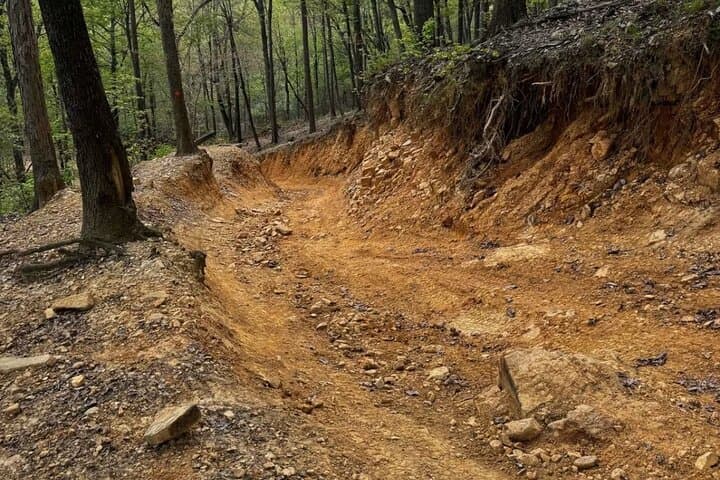
The tires find their grip where the pavement gives up. Gravel chatters beneath the chassis, and the forest closes in with a hush that feels like a held breath. Just minutes from downtown Asheville, the road breaks into ruts and clay, a ribbon of red earth threading through oak, rhododendron, and white pine. The mountains watch from every angle, old as memory and just as stubborn. A creek keeps pace in the hollows, flashing silver through the understory and daring you to follow. The vehicle climbs, dips, eases around storm-cut washouts, then surges again as your guide nudges it forward—confident, unhurried—like someone who grew up listening to these hills talk.
This is Asheville’s Off-Road Backroads Tour, a three-hour 4x4 ramble into the rugged edges of the Blue Ridge where locals slip away on days off and the forest keeps its cool even when the city heats up. The ride is part adrenaline, part forest seminar, and entirely immersive. Your guide keeps a steady hand on the wheel and a curator’s eye on the land, narrating how fire, flood, and time have sculpted this amphitheater of ridgelines. They point out the faint humps of old logging grades, the difference between a controlled burn and a lightning strike, and how young white pines elbow their way into a canopy that used to be mostly hardwoods. The hills nod along—they’ve seen it all.
The geology here is patient. These mountains are remnants of the ancient Appalachians, folded and worn down like well-used tools. The French Broad River, one of the oldest rivers in the world, drains this country with the stubbornness of an elder, refusing the easy path, carving a labyrinth of coves and cutbanks. The roads you’re riding twist to its logic. On a dry day the surface runs fast and dusty; after rain, it’s slick as a dare, the kind of soupy clay that keeps the conversation lively and your grip on the door handle appreciative. Either way, the forest keeps a slow pulse of birdsong and wind through the needles—a soundtrack that knows when to step aside for the growl of a low gear.
Culture and land management are braided tightly in this corner of North Carolina. Not far from here, on the Biltmore Estate, America’s first forestry school taught the young discipline of sustainable timber in the late 1800s, shaping how these forests would be managed for generations. The Weeks Act of 1911 paved the way to protect these watersheds, and today places like Pisgah National Forest balance recreation, timber, habitat, and fire with a pragmatism that would make early foresters nod. Your guide breaks it down without preaching—how a shaded stream keeps trout alive in August, why a scar on the hillside tells a story worth reading, and which wildflowers announce spring like a headline.
The tour moves with rhythm. One minute you’re rolling through a tunnel of hemlock and laurel, the next you punch above the trees to a ridge with a view that feels like a secret. The Blue Ridge lays out in layers, a deck of blue cards spread by a dealer who loves the drama of a slow reveal. The wind picks up and the clouds decide whether to throw shade or open the light—both good for photos if you’re ready. In the distance, the Parkway cuts a clean line, but here the road is more improvisation: a washboard section that chatters the teeth, a rock garden that insists on slow precision, a puddle that looks shallow until the hood bows in acknowledgement. The mountains grin and let you pass.
Between jolts, the drive is a conversation with the backcountry. You’ll watch for bear sign near blackberries in late summer. You’ll hear a pileated woodpecker hammering like a carpenter with a deadline. In spring, the forest floor sprinkles trillium and fire pink along the margins; by fall, sugar maples and sourwoods trade summer’s green for a burnished riot that feels like the forest throwing a parade. Winter strips everything down to the bones—sightlines open, distant ridges sharpen, and the roads feel like private invitations.
What makes this tour compelling is its honest blend of bumps and brain. It’s not a made-for-TV version of off-roading with contrived obstacles. It’s real Appalachian backroads delivered with thoughtful interpretation. There’s enough jolt to keep adrenaline awake, enough story to make sense of the ride, and enough stops to breathe, look around, and let the scenery do the talking. The vehicle handles the heavy lifting. Your job is to show up curious, dress for dust and weather, and let the mountains set the pace.
Practicalities matter in the backcountry, and this tour respects them. Closed-toe shoes are smart; layers keep you comfortable through wind shifts and elevation gains. A light waterproof shell earns its space any month of the year. Bring water—these roads dry out a mouth—and something to secure your phone or camera so you’re not fumbling as the trail bumps to life. Motion-sensitive travelers might pocket ginger chews or a wristband; the route is steady, but the terrain makes its own rules.
Asheville’s proximity is the ace in the deck. You can brunch downtown, roll out for three hours of off-road wilderness, and be back in time for a brewery patio. This tour captures the essence of Western North Carolina: friendly guides, an old-soul landscape, and a respect for public lands that feels baked into the culture. It’s a private, small-scale experience—easy to book, clear on expectations, and welcoming to a wide range of riders who want wild without the white-knuckle.
The Blue Ridge doesn’t shout. It nudges, suggests, and rewards attention. On the Off-Road Backroads Tour, you meet it on its terms. The road jostles your senses awake; the forest opens the door; the guide translates; and the mountains—ancient, amused—let you pass, a little dustier and a lot more tuned in than when you started.
Trail wisdom
Small choices, better day.
Dress for dust and weather
Layers and a light waterproof shell keep you comfortable as conditions shift with elevation and shade.
Secure your tech
Use a wrist strap or lanyard for phones and cameras—rough sections arrive fast, and it’s easy to fumble.
Hydrate like it’s summer
Even in cool months, the dry air and jostling can dehydrate—bring at least 1 liter of water per person.
Mind motion comfort
If you’re sensitive to bumpy rides, take ginger chews or a motion band 30 minutes before departure.
Local knowledge
Read the place, not just the route.
Watch for native species including Black bear (from a distance), Pileated woodpecker.
Keep an eye out for wildlife during the transition between areas and habitats. Respect distance guidelines.
Stay on designated routes to prevent erosion, and follow Tread Lightly principles—these public lands balance recreation, habitat, and water quality.
Follow the guide's instructions on size limits, ethical handling, and leave-no-trace practices.
Bent Creek backroads pullouts for quiet creekside breaks. Hard Times Road gate area for quick leg-stretching forest roads
Locally recommended viewpoints and quiet spots known best to local operators.
The Biltmore Forest School, founded in 1898 in Asheville, was the first forestry school in the United States and shaped early American forest management.
Maritime roots and regional tradition shape the waterways and working coasts.
Seasonal guide
Four versions of the same landscape.
Spring
Best forWildflowers and fresh canopy · Cooler temps with fewer crowds · Clear streams after winter rains
ChallengesIntermittent showers · Slick clay on shaded roads
Expect bright greens, blooming understory, and variable weather—great traction most days, with quick-moving showers.
Summer
Best forShaded forest driving · Long daylight windows · Creekside breaks
ChallengesHumidity and heat in lower elevations · Afternoon thunderstorms · Biting insects at stops
Warm and lush; the forest offers shade while pop-up storms can turn dust to mud in minutes.
Fall
Best forPeak foliage views · Crisp, stable weather · Long sightlines from ridges
ChallengesBusy regional roads on peak weekends · Hunting seasons in some areas—wear bright layers when outside the vehicle
Cool, colorful, and photogenic—this is prime time for backroads exploring and layered mountain vistas.
Winter
Best forClear ridge views · Quiet roads · Low-angle light for photography
ChallengesCold wind at overlooks · Occasional icy patches or seasonal gate closures
Bare trees open up new perspectives; expect crisp air, less traffic, and potential weather-related reroutes.
Pack with intention
What to bring.
Good to know
Common questions.
A high-clearance, 4x4 vehicle designed for gravel, clay, and rutted Forest Service roads—comfortable yet capable.
Plan the edges
The details that make the day easier.
Asheville’s French Broad River is among the oldest rivers in the world, flowing north through the Blue Ridge long before the Appalachians reached their current shape.
After the ride, head to Burial Beer Co. or Sierra Nevada’s Mills River outpost for a cold pint and a patio with mountain air. Hungry? 12 Bones Smokehouse serves stick-to-your-ribs barbecue, and French Broad Chocolate is a sweet cap to a dust-kissed afternoon. If you’re chasing more views, detour to the Blue Ridge Parkway for a sunset overlook before returning downtown.
- Closest airport
- Asheville Regional (AVL). Meeting point: minutes from downtown Asheville; exact location provided after booking. Drive time from downtown: typically 10–25 minutes depending on route. Cell service: spotty once you leave town—download directions and offline maps. Permits: Not required for guests on a guided tour; your operator manages route permissions and closures.
These roads thread through sensitive mountain watersheds. Stay buckled, stay on designated routes, pack out all trash, and avoid disturbing wildlife. Your small-group footprint helps keep this experience low-impact.
Explore by topic
Follow the threads.
Keep exploring
Make the story part of the trip.
Set out from Bass Harbor for a private, customizable day on Blue Hill Bay — lighthouses, puffins, seals, and the chance to feel Acadia from the water. Small groups, local captains, unforgettable views.
In four hours you can move from shaded canyon ferns to wind-scoured coastal ridgelines, guided by someone who knows where the light—and the hidden views—live. This private half-day hike on the Monterey Peninsula or Big Sur is compact, curated, and perfect for travelers who want depth without a multiday commitment.
 Related story
Beneath a sky of shifting light, Skaftafell’s ice reads like a map of time. This three-hour guided glacier hike mixes technical instruction with geology and culture: compact, safe, and unforgettable.