
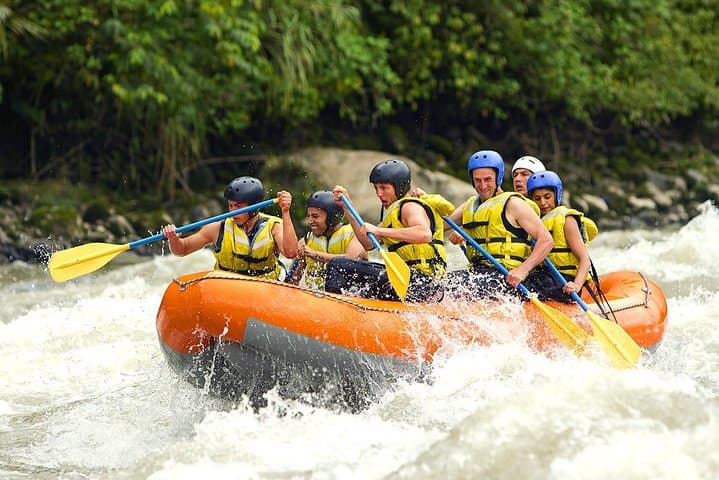
What the day feels like
Before the vans leave Phuket, the island still wears that early-morning hush—the last sleep of tourists and the cigarette-amber glow of streetfood stalls. By the time the air-conditioned transfer threads north into Phang Nga province, the humidity rearranges itself around you like a warm promise. At the foot of a karst ridge, where limestone shoulders the sky and the Songprak River narrows into a living seam, you step into rafts that look small against the green heft of the valley. The river, having spent the night hardening with mountain runoff, now dares you with pockets of riffles and a clean, insistent current. It pushes forward the small fleet as calmly as if it had a plan.
The day on the Songprak is compact: a 5-kilometer stretch of guided whitewater, a cultural stop at the Monkey Cave temple, and enough Thai coffee and lunch to make returning to Phuket feel like a sequel you actually want. But the itinerary hides subtler rewards. You float through a landscape written in stone—limestone cliffs polished by wind and tide, mangrove-stalked banks, river bends that show off both the plainness and drama of southern Thailand. Nature here is never inert; the river teases, the current selects who will laugh and who will lean in to paddle.
Geology is the quiet protagonist. Phang Nga is a karst country, carved when ancient coral and sediment lithified into limestone and were then sculpted by millions of years of rain and dissolution. Those towering pinnacles around Phang Nga Bay are the same story writ large. Up close on the river the rock reads like a slow-motion earthquake, with caves and overhangs that host temples and troop-napping macaques. The Monkey Cave temple, a routine stop on this tour, gives the day a cultural spine: a cave shrine holding a reclining Buddha and a chorus of monkeys that treat the site like a public square.
Local history threads through the route too. Phang Nga was a trading corridor long before it became postcards and Instagram grids; fishing villages and rubber plantations still shape livelihoods in towns along the way. The guides you meet are often from these communities, and their quick instructions about paddle timing or when to brace are as much about rivercraft as they are about passing on local fluency. They will also tell you where the best mango shakes are after the trip.
Practicality is the other virtue of a short raft run. This is not an expedition for experienced paddlers seeking continuous Class IV action; it is a day-escape built for broad appetites—families, couples, and solo travelers who want a taste of movement and scenery without committing to multiday logistics. The total excursion runs about eight hours from pickup to drop-off, with instruction and safety briefing before you hit the water. The 5-kilometer stretch of river provides enough rapids to feel alive and enough calm to notice kingfishers and dragonflies picking at the surface.
Safety is straightforward: life jackets, helmets, and a clear coach briefing. Guides lead at the bow and stern and often walk swimmers through what to do if you go over. You should have basic swimming comfort, but you dont need whitewater experience. Wear secure footwear that can get wet, avoid loose jewelry, and leave expensive cameras behind unless theyre waterproof or tethered.
Timing matters. The coolest months, from December through February, make the raft ride pleasant and the sun more forgiving; the monsoon months turn the river louder and faster. Either way, plan for a full day on the move: early hotel pickup, a temple stop at Monkey Cave near Phang Nga town, raft instruction at Songprak camp, 5 kilometers on the river, and a late-afternoon return to Phuket. Lunch is Thai and hearty, giving you energy for the post-raft stretch when hammocks and riverside shade appear like rewards.
For photographers the palette is generous—wide-angle shots of knobby limestone and tight portraits of macaques and smiling guides who look like theyve done this a thousand times. But the best images are often candid: a paddle mid-stroke, a spray of water catching light, the grain of a cave wall behind a statue.
Who should book this? Travelers staying in Phuket who want a short, active day out; families wanting an accessible raft experience; and outdoor-first travelers looking to pair a nature outing with a cultural stop. The tour price is competitive, and it fits well into a bucket of daytrips that let you return to a beachside evening.
Leave room for curiosity. Ask your guide about local fishing methods, point out plants along the bank—someone will know their names—and be respectful with the macaques: theyre part of the landscape and not pets. If you come with a sense of rhythm, the river will give you a story to tell: a few clean rapids, a cave-side prayer, lunch under a fan of palms, and the slow, pleasing fatigue of a day well spent.
This is a short run, but it is emphatic. The Songprak takes you through a compact chapter of southern Thailand: geology, culture, and a river that, on a good day, seems determined to make you feel both small and entirely present.
Trail wisdom
Small choices, better day.
Arrive hydrated
Drink water before pickup and bring a refillable bottle—the tropical sun and activity dehydrate quickly.
Wear secure footwear
Closed-toe sandals or lightweight shoes that strap on prevent lost footwear during swims or disembarks.
Protect your phone
Use a waterproof pouch or leave your device in the van; splashes are frequent during the rapids.
Respect local wildlife
Do not feed the macaques at Monkey Cave and keep a safe distance; they can be unpredictable.
Local knowledge
Read the place, not just the route.
Watch for native species including Long-tailed macaque, Kingfisher.
Keep an eye out for wildlife during the transition between areas and habitats. Respect distance guidelines.
The river corridor is sensitive; stick to designated paths, avoid feeding wildlife, and pack out all trash to limit disturbance.
Follow the guide's instructions on size limits, ethical handling, and leave-no-trace practices.
Ask guides for a riverside mango shake spot near the camp. Short walk to local rubber or palm groves for quiet birdwatching
Locally recommended viewpoints and quiet spots known best to local operators.
Phang Nga has long been a maritime crossroads; coastal villages here evolved from fishing and trading communities shaped by karst topography.
Maritime roots and regional tradition shape the waterways and working coasts.
Seasonal guide
Four versions of the same landscape.
Spring
Best forLower crowds · Warm water · Clearer skies
ChallengesIncreasing heat · Occasional showers · Sticky humidity
Spring (March–May) gets hot; mornings are best for rafting and afternoon naps under shade.
Summer
Best forLush scenery · Stronger currents · Fewer tourists
ChallengesMonsoon rains · Higher water levels · Potentially slippery trails
Summer brings the monsoon; expect louder rivers and rapid flows—book with an experienced operator.
Fall
Best forRefreshing rains · Greener banks · Cooler evenings
ChallengesUnpredictable showers · Variable river conditions · Mud on trails
Fall transitions from rainy to cooler months; river conditions can change quickly, so check local reports.
Winter
Best forCooler air · Calmer seas · Comfortable paddling
ChallengesHigher demand · Early pickups · Slightly cooler mornings
Winter (Dec–Feb) is peak season: dry, pleasant, and ideal for sightseeing and rafting.
Operator details
What the booking data adds.
Included
- ✓Bottled water
- ✓Lunch
- ✓English Speaking Guide
- ✓Insurance
- ✓Coffee and/or Tea
- ✓Life Jacket
Good to know
- ✓Public transportation options are available nearby
- ✓Infants are required to sit on an adult’s lap
- ✓Specialized infant seats are available
- ✓Not recommended for travelers with spinal injuries
- ✓Not recommended for pregnant travelers
- ✓Not recommended for travelers with poor cardiovascular health
- ✓Travelers should have at least a moderate level of physical fitness
Pack with intention
What to bring.
Good to know
Common questions.
The guided whitewater portion is approximately 5 kilometers, typically lasting 45–90 minutes depending on conditions.
Plan the edges
The details that make the day easier.
Wat Suwan Kuha, commonly called Monkey Cave, houses a large reclining Buddha inside a limestone cave and is a popular cultural stop near Phang Nga town.
After the day on the river, head to a local eatery in Phang Nga town for freshly grilled seafood or a roadside stall for mango sticky rice; back in Phuket, try a craft beer at one of the beachside bars to shake off the travel dust.
- Closest airport
- Phuket International (HKT); Typical driving time from Phuket: 1–1.5 hours to meeting point; Cell service: intermittent once in the valley; Permits: none required for day tours—operator arranges access.
This river corridor supports local communities and wildlife; use reef-safe sunscreen, avoid single-use plastics, and follow guide instructions to minimize environmental impact.
Explore by topic
Follow the threads.
Keep exploring
Make the story part of the trip.
Set out from Bass Harbor for a private, customizable day on Blue Hill Bay — lighthouses, puffins, seals, and the chance to feel Acadia from the water. Small groups, local captains, unforgettable views.
In four hours you can move from shaded canyon ferns to wind-scoured coastal ridgelines, guided by someone who knows where the light—and the hidden views—live. This private half-day hike on the Monterey Peninsula or Big Sur is compact, curated, and perfect for travelers who want depth without a multiday commitment.
 Related story
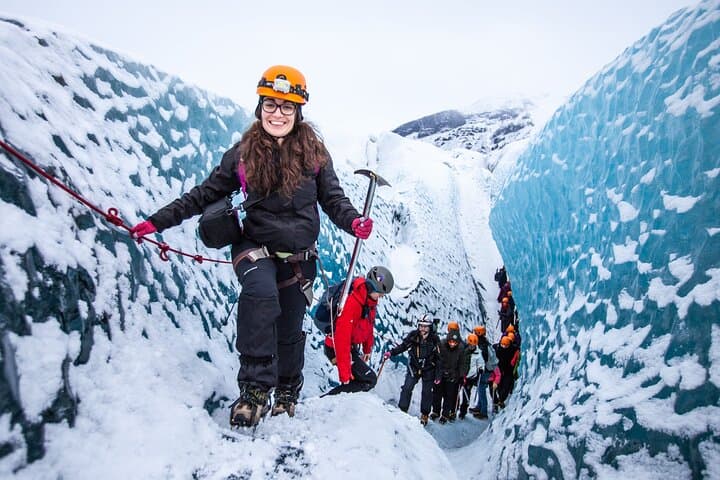
Beneath a sky of shifting light, Skaftafell’s ice reads like a map of time. This three-hour guided glacier hike mixes technical instruction with geology and culture: compact, safe, and unforgettable.