
What the day feels like
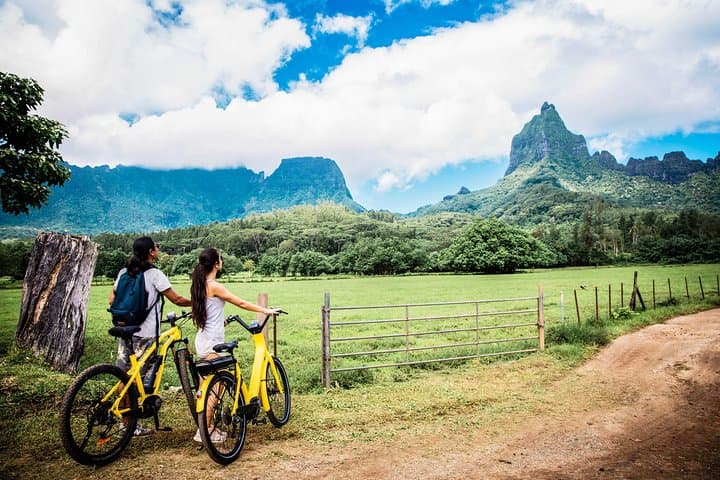
Dawn lifts over Cook’s Bay with a soft, coral glow, and the island begins to hum. Mopeds purr awake, roosters declare the morning shift, and the trade winds slide in off the Pacific like a friendly hand on your back. You clip your helmet, nudge the pedal, and the e-bike answers with a quiet surge. Road and reef run side by side here, each urging you onward.
Moorea is one of those places that looks exactly like the picture in your head—until you pedal into it and realize the picture is too small. A 62-kilometer ring road traces the island’s outline, stitching together white-sand pockets, fishing hamlets, and roadside fruit stands with views that refuse to stay put. On an e-bike, the island comes to you at a human pace. You feel the road tip up and the motor lean in beside your legs, whispering: keep going.
This is a ride made for curiosity. From Maharepa, a clockwise loop eases you toward Opunohu Bay, where the mountains collect shadows like giant cupped hands. Turn inland and the asphalt slips into the valley, through neat grids of pineapple fields—spiky crowns flashing silver-green as the sun climbs. The climb to Belvedere Lookout is the ride’s most honest test: roughly 240 meters of gain over winding pavement. It’s steady, not cruel, and the bike’s electric assist keeps it friendly for casual riders. At the top, basalt ridges stand guard over twin bays—Cook’s and Opunohu—while Mount Rotui cuts a sawtooth silhouette. The island feels at once intimate and immense.
The geology that built this amphitheater is written in the island’s bones. Moorea is the weathered remnant of an ancient volcano, its caldera long since deconstructed by time and tropical rain. What’s left is drama: buttressed spires, knife-edged ridgelines, and deep valleys that funnel the wind. Those same winds often nudge riders along the north shore, then test your resolve on the island’s east side. The road does not hurry; it flows, asking you to match its rhythm.
Culture sits as close to the surface as the reef. You’ll pass marae—stone temple platforms where Polynesian communities gathered long before European ships appeared on the horizon. Slow down at Marae Titiroa in the Opunohu Valley and let the forest speak; roots braid through stone, and the air carries a quiet kind of ceremony. Not far away, the Tropical Garden pours vanilla-sweet smells into the breeze and offers a quick detour for jam tasting and views over the bay. Back on the ring road, roulottes (food trucks) open their shutters around midday, serving poisson cru—raw tuna dressed in lime and coconut milk—that tastes like the ocean and sunshine agreed on a recipe.
History folds in at every turn. The bays are a lesson in names: Cook’s Bay bears the explorer’s title, but Captain Cook actually anchored in Opunohu Bay. Missionaries followed, and Moorea’s villages grew into a gentle arc around the lagoon, always oriented to the water that sustains them. Today, fishing skiffs still idle in the shallows at first light, and spinner dolphins play at the mouths of the bays, slicing silver just beyond the reef.
The practical magic of an e-bike here is range without hurry. With typical 100-kilometer battery autonomy, a full island loop plus the Belvedere spur is well within reach if you ride mostly in eco or tour modes. The road is paved all the way and mostly flat, with only a handful of meaningful rises and that one beloved climb into the valley. Shoulders are narrow in spots, and scooters are part of island life; ride assertively but courteously, keeping a predictable line and yielding where the road pinches. The island encourages cooperation—drivers are used to bikes, and the wind often carries a wave with every pass.
Time your start for early morning. Heat gathers quickly in the tropics, and clouds build over the peaks by midday. An 8 a.m. roll-out lets you tackle Belvedere before the sun presses down, then cruise the south coast with the trades at your back. You’ll pass lagoon views that shimmer like they’re planning something; the reef’s pale blues and deep navies trade places as the sun arcs. When the road ducks inland, breadfruit trees shade the shoulder like they’ve been waiting for you.
There’s freedom baked into this rental—it’s self-guided, supported by a simple truth: you can’t get lost for long on a ring road. The bike can be delivered to your accommodation anywhere on the island, so you start where your morning coffee ends. A credit card deposit secures the wheels, and the route is yours to customize with a crepe stop, a swim at Temae, or a slow roll through Afareaitu’s waterfalls trailhead before circling back to the coast.
By late afternoon, the light slants gold across the lagoon, and the mountains put on their evening faces. Shadows lengthen, birds settle, and the wind eases, as if the day exhaled. You return the bike lightly salted and sun-warmed, legs pleasantly used but not spent. The road gave you Moorea on its terms and yours—firm pavement under palm fronds, a coastline that keeps you company, and a motor that stepped in when the island asked a little more of you.
It’s easy to over-promise paradise. Moorea doesn’t bother. It simply rolls out a loop and dares you to follow it. The current pushes forward, and you go with it—one smooth turn of the pedal at a time.
Trail wisdom
Small choices, better day.
Start Early, Climb Cool
Roll out by 8 a.m. and ride the Belvedere Lookout spur before heat and tour buses arrive.
Mind Your Battery
Use Eco/Tour modes on flats and save Turbo for steep pitches; a full loop with the Belvedere spur typically stays under 70–80% battery.
Ride Island-Style
Expect narrow shoulders and scooters; hold a predictable line, signal early, and yield where the road pinches.
Swim Stops, Smart Stops
Pack a small towel and reef-safe sunscreen for quick dips at Temae or Ta’ahiamanu Beach; reapply after each swim.
Local knowledge
Read the place, not just the route.
Watch for native species including Spinner dolphins near bay mouths, Pacific flying foxes (fruit bats) at dusk.
Keep an eye out for wildlife during the transition between areas and habitats. Respect distance guidelines.
Use reef-safe sunscreen and avoid standing on coral when you swim. Respect marae sites—stay on paths and do not climb on stone platforms.
Follow the guide's instructions on size limits, ethical handling, and leave-no-trace practices.
Tropical Garden (above Opunohu Bay) for homemade jams and bay views. Ta’ahiamanu Beach Park for a post-ride swim and shade
Locally recommended viewpoints and quiet spots known best to local operators.
Captain Cook’s name graces Cook’s Bay, but he actually anchored in Opunohu Bay. Ancient marae in the valley reflect Polynesian social and spiritual life long before European contact.
Maritime roots and regional tradition shape the waterways and working coasts.
Seasonal guide
Four versions of the same landscape.
Spring
Best forQuieter roads · Warmer water
ChallengesIncreasing humidity · Occasional squalls
September–November transitions from dry to wet. Expect warm mornings, building clouds over the peaks, and glassy lagoons.
Summer
Best forLush greenery · Warm seas
ChallengesHeat and humidity · Tropical downpours
December–February is the wet season. Start at dawn, seek shade mid-ride, and carry a lightweight rain shell.
Fall
Best forFewer showers · Evening breezes
ChallengesVariable winds · Sun intensity
March–May eases out of the rains. Days are warm, roads dry quickly, and tradewinds can pick up on the east side.
Winter
Best forCooler temps · Clear views
ChallengesStronger tradewinds · Popular lookout crowds
June–August brings the driest, most comfortable riding with steady trades—prime time for the full island loop.
Operator details
What the booking data adds.
Included
- ✓Helmets
- ✓Use of bicycle
- ✓Maps of the island
- ✓Bikes Lock
Good to know
- ✓Public transportation options are available nearby
- ✓Not recommended for travelers with spinal injuries
- ✓Not recommended for pregnant travelers
- ✓Suitable for all physical fitness levels
Pack with intention
What to bring.
Good to know
Common questions.
No license is required for e-bikes. Bring a valid photo ID, and a Visa or MasterCard is required for the deposit at pickup.
Plan the edges
The details that make the day easier.
Cook’s Bay is named after Captain James Cook, but he never anchored there—his ships anchored in neighboring Opunohu Bay during his visits in the 18th century.
Refuel at Snack Mahana in Ha’apiti for island-favorite poisson cru and grilled fish steps from the lagoon. Tour the Rotui juice factory/Manutea distillery near Opunohu for a quick tasting of local pineapple juice and vanilla-infused treats. Sunset mai tai at a beach bar seals the loop the way locals would: unhurried and with toes in the sand.
- Closest airport
- Moorea (MOZ) or fly into Tahiti (PPT) and ferry 30–45 minutes to Moorea. Start point: bike delivery to your lodging or pickup near Maharepa
- Opunohu. Driving
- the ring road is 62 km; distances between villages are short with frequent services. Cell service: good along the coast; spotty in the Opunohu Valley. Permits: none required for cycling; a credit card deposit is required for the bike.
Moorea’s lagoon and reef are fragile. Wear reef-safe sunscreen, don’t touch coral, and pack out all trash. Ride single file and yield to buses in tight sections to keep the road safe for everyone.
Explore by topic
Follow the threads.
Keep exploring
Make the story part of the trip.
Set out from Bass Harbor for a private, customizable day on Blue Hill Bay — lighthouses, puffins, seals, and the chance to feel Acadia from the water. Small groups, local captains, unforgettable views.
In four hours you can move from shaded canyon ferns to wind-scoured coastal ridgelines, guided by someone who knows where the light—and the hidden views—live. This private half-day hike on the Monterey Peninsula or Big Sur is compact, curated, and perfect for travelers who want depth without a multiday commitment.
 Related story
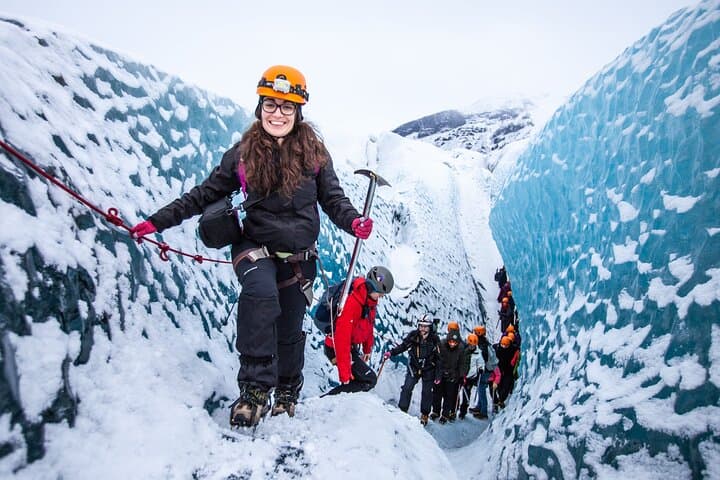
Beneath a sky of shifting light, Skaftafell’s ice reads like a map of time. This three-hour guided glacier hike mixes technical instruction with geology and culture: compact, safe, and unforgettable.