
What the day feels like
At first light, Beaufort’s tidal creeks breathe. Spartina grass stands in tidy ranks, the silvery skin of Factory Creek ripples, and the tide starts to lift like a slow inhale. A heron patrols the edge with a veteran’s patience. Somewhere beneath the surface, redfish fin through inches of water, tails like bronze pennants. This is where Captain Steve makes his living, pushing a shallow-draft boat into the quiet, reading texture and shadow the way some read a newspaper. He smiles, an easy one, and nudges you onto the bow. The marsh doesn’t shout. It beckons.
The boat glides from the Meridian Road ramp just after sunrise, and Beaufort City’s church steeples glow across the water. It’s a quick passage from town to wild—a few minutes and the grid of streets gives way to serpentine creeks stitched to the heart of the Lowcountry. The water is soft but purposeful, tugging at the hull as the tide turns. Oyster mounds bristle like fortifications; they dare you to cast right, or pay with a frayed leader. This is a place where subtlety wins: soft casts, quiet feet, calm nerves. The marsh rewards those who match its tempo.
Captain Steve has been guiding since 2007, long enough to know when the wind is helpful and when it’s a liar, when the flood tide will tip into the cordgrass and when it will stall. He specializes in skinny-water species—redfish, spotted seatrout, flounder, black drum—the classic inshore quartet of the South Carolina coast. On a four-hour outing, he’ll put you where fish feed and the view stretches flat to the horizon. If you’re here to learn as much as to catch, you’re in the right skiff. And if you want a charter that’s all about intimacy with place, consider this your sign: book a [shallow water fishing charter in Beaufort](https://app.advcollective.com/local-experts/shallow-water-fishing-charter-seas-so-shallow-fishing-guide-service) and let the marsh do the talking.
The Lowcountry’s story runs deep. Beaufort, founded in 1711, has always been moored to water—oysters and rice in earlier eras, then a naval hub, and now a gateway to one of the Southeast’s healthiest estuaries. The Port Royal Sound system, fed by the Broad, Coosawhatchie, and Colleton rivers, is a nursery for life. Dolphins ride the outgoing tide as if showing you the exits. Ospreys draw big, sure circles overhead before dropping like hunted anchors. On summer flood tides, redfish tail in the grass flats, their copper backs flickering like coins, a signature Lowcountry spectacle. In crisp winter water, they bunch into schools over dark mud warm as fresh bread. The seasons change the script, but the set never disappoints.
Geologically, this is a young coast, built grain by grain from rivers carrying the Appalachian Mountains down to sea. The tides—six to seven feet of rise and fall—write and rewrite the channels twice a day. Current presses your fly or lure into the ambush lanes, then pulls it out again with a wink. The marsh here is a living machine: oysters filtering, grass stabilizing, fish and crustaceans working the food chain with ruthless efficiency. Treat it well and it gives back.
Culture is braided into these creeks too. The Sea Islands are part of the Gullah Geechee Cultural Heritage Corridor, a living archive of language, foodways, and resilience. You’ll taste it after the trip in a bowl of she-crab soup or shrimp and grits in town, flavors that speak fluently of tide and time. On the water, it feels like a close conversation with the past—the boat trimmed, the current pushing, the angler poised, a ritual repeated countless times.
Practicality anchors the romance. Morning departures keep you ahead of heat and afternoon storms in summer, while fall trips offer buttery light and aggressively feeding fish. Polarized sunglasses aren’t optional; they’re your second guide, cutting glare so you can see pushes, wakes, and the color shift where sand meets shell. Footwork matters on a fishing platform—quiet, balanced, ready to pivot when a fish shows on your left and then, without warning, materializes right. Captain Steve handles the rest, minding the tides and the routes through water that gets thin and tricksy. That’s the specialty of a [Seas So Shallow Fishing Guide Service](https://app.advcollective.com/local-experts/shallow-water-fishing-charter-seas-so-shallow-fishing-guide-service) trip: knowing when the creek will let you pass and when it wants you to wait.
Halfway through, the marsh wakes fully. Boats drift in the distance, small as punctuation marks. The boat’s shadow lengthens and shortens as clouds herd the sun. Cast, strip, pause—the rhythm becomes a low heartbeat. Then the take: a draw and a thump, line tightening with resolve. The fish runs, the rod bows, the reel sings its bright metal note. Current muscles into the fight, then steps aside. Moments later, you hold what the marsh offered—a redfish with black-dot punctuation, a seatrout sculpted for ambush—and release it back, the fish flicking off with a dismissive kick. The creek keeps its secrets, but it just introduced you to one of them.
By the time the tide pivots, you’re reading the marsh more fluently. You see how oyster bars pinch the current, how the wind writes texture you can scan for motion, how the grassline signals whether water will flood high enough for tailing fish. You’re not just along for the ride; you’re part of the conversation. That’s the best outcome of a [shallow-water charter in Beaufort](https://app.advcollective.com/local-experts/shallow-water-fishing-charter-seas-so-shallow-fishing-guide-service): you leave understanding the place, not just the catch.
Back at the dock, the day feels full. The skiff bumps the fenders, gulls comment from a safe distance, and you step onto the ramp with salt dried on your forearms and a phone full of photos. There’s a late lunch waiting in town and maybe a walk along the Waterfront Park, or a detour to Hunting Island State Park’s lighthouse. The marsh has its own pace, but it shares something if you go slowly and keep your eyes on the small things: the ripple that signals a push, the swirl that betrays a strike, the tide’s steady encouragement to move.
If you’re thinking about it, stop thinking. Book the [shallow water fishing charter](https://app.advcollective.com/local-experts/shallow-water-fishing-charter-seas-so-shallow-fishing-guide-service). Bring your curiosity. Let the creeks do the rest.
Trail wisdom
Small choices, better day.
Polarized Glasses Are Non-Negotiable
They cut glare and help you spot wakes, tails, and oyster edges—key to sight-fishing in skinny water.
Mind the Oyster Rakes
Cast tight but controlled along shell edges to avoid cut leaders; a shorter strip-set helps keep hooks pinned.
Fish the Tide Windows
Flood tides can put reds tailing in the grass; lower tides concentrate fish along creek mouths and drops.
Soft Steps, Quiet Deck
On a shallow skiff, sound travels—keep movements smooth and voices low to avoid spooking fish.
Local knowledge
Read the place, not just the route.
Watch for native species including Bottlenose dolphins, Ospreys and great blue herons.
Keep an eye out for wildlife during the transition between areas and habitats. Respect distance guidelines.
Oyster reefs filter water and stabilize shorelines—avoid stepping on live reefs and keep a wide berth. Follow SCDNR size and bag limits, and practice careful catch-and-release with large breeder redfish.
Follow the guide's instructions on size limits, ethical handling, and leave-no-trace practices.
Sands Beach in Port Royal for sunset and shark-tooth hunting. Cypress Wetlands Boardwalk for easy birding and a quiet loop
Locally recommended viewpoints and quiet spots known best to local operators.
Beaufort (1711) sits within the Gullah Geechee Cultural Heritage Corridor; nearby Port Royal Sound supported the Civil War–era Port Royal Experiment, an early Reconstruction effort.
Maritime roots and regional tradition shape the waterways and working coasts.
Seasonal guide
Four versions of the same landscape.
Spring
Best forActive redfish on warming flats · Flood-tide exploration
ChallengesWindy afternoons · Pollen and allergy flare-ups
Warming water kickstarts bait movement and redfish behavior. Early and late sessions dodge wind and boat traffic.
Summer
Best forTailing reds on evening floods · Family-friendly calm mornings
ChallengesHeat and humidity · Afternoon thunderstorms
Plan dawn departures for cooler temps and steadier winds; carry hydration and lightweight sun protection.
Fall
Best forAggressive feeds before winter · Clearer water for sight-fishing
ChallengesBig tidal swings · Cold fronts that shift patterns
Often the prime inshore season—bait is plentiful and fish are hungry. Watch fronts and adjust timing.
Winter
Best forSchooling redfish in clear water · Quiet creeks with less pressure
ChallengesCold mornings · Shorter daylight
Crisp visibility and schooled reds reward patience. Dress in layers and expect deliberate presentations.
Pack with intention
What to bring.
Good to know
Common questions.
Expect inshore shallow-water species like redfish (red drum), spotted seatrout, flounder, and black drum, with seasonal variation.
Plan the edges
The details that make the day easier.
Port Royal Sound is one of the East Coast’s deepest natural harbors and supports exceptional biodiversity, including a year-round population of bottlenose dolphins.
Post-trip, walk Beaufort’s Waterfront Park, then refuel on Bay Street—try shrimp and grits at Plums, craft cocktails at Old Bull Tavern, or smoked wings at Q on Bay. If you’re up for a short drive, Fishcamp on 11th in Port Royal plates fresh local catch with sunset views.
- Closest airports
- Savannah
- Hilton Head (SAV ~1 hr) and Charleston (CHS ~1.5–2 hrs). Meeting point
- 17 Meridian Road Boat Landing, about 5–10 minutes from downtown Beaufort. Cell service is generally good near town but can be spotty deep in the marsh. Licenses are typically covered by the charter—confirm when booking; no special permits required for passengers.
This estuary thrives on healthy oyster reefs and marsh grass. Pack out all trash, use barbless or crushed barbs when requested, wet hands before handling fish, and release oversized redfish promptly to protect breeding stocks.
Explore by topic
Follow the threads.
Keep exploring
Make the story part of the trip.
In four hours you can move from shaded canyon ferns to wind-scoured coastal ridgelines, guided by someone who knows where the light—and the hidden views—live. This private half-day hike on the Monterey Peninsula or Big Sur is compact, curated, and perfect for travelers who want depth without a multiday commitment.
 Related story
Beneath a sky of shifting light, Skaftafell’s ice reads like a map of time. This three-hour guided glacier hike mixes technical instruction with geology and culture: compact, safe, and unforgettable.
 Related story
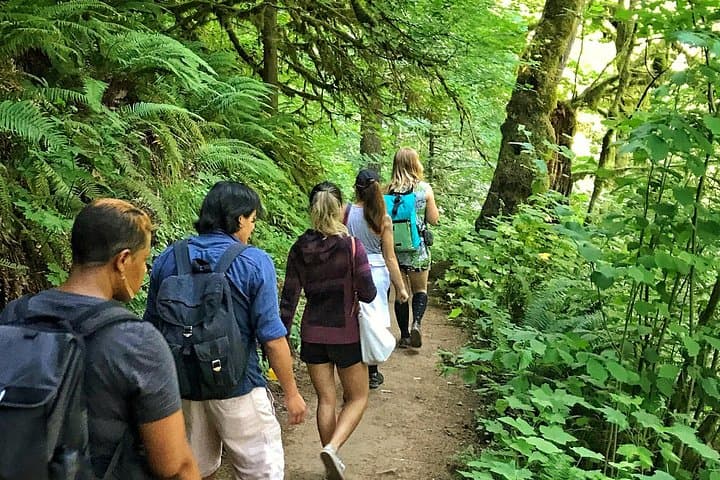
Lose the city for a few hours without leaving it: this 5-mile, 900-foot-gain Forest Park loop threads old-growth pockets, city viewpoints, and cultural landmarks for a compact taste of Portland’s wild side. Expect moss, roots, and stories.