
What the day feels like
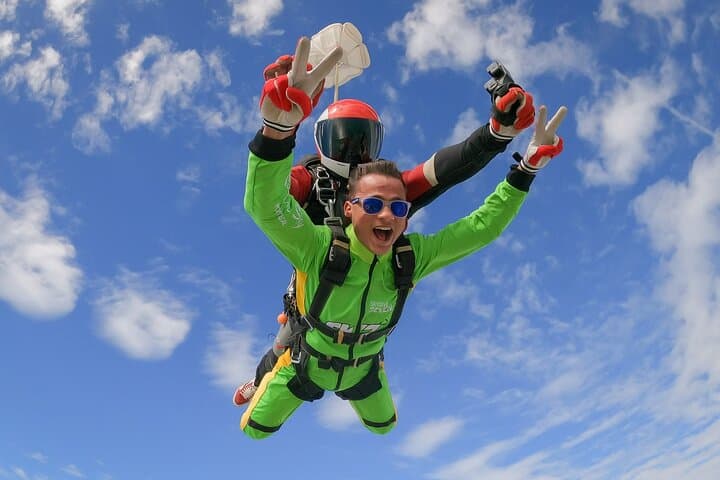
The plane climbs out of Alvor and the Algarve unfolds like a map: a serrated coastline of honeyed cliffs, white villages tucked behind dunes, the Monchique hills shrugging their green shoulders inland. The Atlantic glints and dares you. At 10,000 feet, the door rolls up; wind roars in with a salty laugh. Your instructor clips you tight, leans you forward, and the sky says, Ready? You tip into it. The air takes hold and pulls. For a handful of seconds—fifteen or so that stretch like a horizon—you fall at 135 miles per hour, face to face with gravity, the ocean rushing closer, the coastline sliding by. Then the canopy blooms, a firm tug, and the world exhales. The Algarve, generous as ever, slows to a glide.
This is tandem skydiving in Portugal’s south, launched from the Aeródromo Municipal de Portimão near the fishing village of Alvor. It’s the region’s kind of thrill: bright, clean, and threaded with views that remind you why travelers chase this coast. From the door you can trace the curve from Praia da Rocha to Lagos, spot the Benagil sea caves etched into limestone, and look inland to the eucalyptus and cork forests that quilt the uplands. On clear days, the Serra de Monchique stands watch to the north, and the Ria de Alvor estuary flashes silver to the east—a protected wetland that baffles wind like a concert hall, home to herons and spoonbills that stitch the air with their own quiet routines.
The Algarve feels built for flight. Its geology—Miocene limestone carved by time and Atlantic weather—creates a coastline that plays with light. Sea stacks cast long morning shadows; coves hoard color. Culturally, this is a place that has always looked outward: Phoenicians traded here; the Moors named Albur (Alvor); Prince Henry’s navigators pushed off from nearby Sagres. Today, holidaymakers and surfers share cafés with fishers and ferries, and skydivers add another line to the local soundtrack—propellers spinning up, parachutes whispering down.
Despite the vertical drama, tandem skydiving here is surprisingly straightforward. You’re not expected to know how to do anything. After a concise fifteen-minute briefing on the ground, you pull on a jumpsuit, step into snug, lace-up shoes, and the rest is handled by your tandem instructor—one of those calm pros who collect thousands of jumps the way the rest of us collect coffee stamps. They run the checks, guide the exit, and handle the parachute, letting you focus on the sensation and the view. The aircraft ride is brief, ten to fifteen minutes of coastal panoramas and nervous laughter. Freefall is fast and honest. Under canopy, you can chat, steer a bit if conditions allow, and trace the coastline at a pace that feels attainable again.
Local rhythm matters. Mornings tend to bring the smoothest air before thermal winds kick up over the inland hills, so early slots are prized for first-timers. Even on bluebird days, wind can change the plan—this is the Atlantic, and it has opinions—so expect a flexible schedule and be ready to roll your booking to a later window if necessary. The full experience usually runs two to three hours, from check-in to landing, leaving time on each side for coffee in Alvor’s square, a stroll on the boardwalk that threads the estuary, or an afternoon swim at Praia dos Três Irmãos where the cliffs make their own architecture.
Practicalities are refreshingly simple. Wear layers: it’s warm on the tarmac, cooler at altitude, and the wind bites a little on the ride up. Eat light, hydrate, and skip the heavy lunch until after you land. Remove loose jewelry, tie back long hair, and bring a small dose of patience—airspace is a dance, and safety leads. Most drop zones here offer photo and video packages shot by your instructor or a dedicated camera flyer; if you want proof that you grinned into the wind, book it. Personal cameras are typically restricted for safety.
Back on the ground, the Algarve keeps the momentum going. Portimão’s riverfront grills sardines the old way, and the beaches seem designed for cooldowns. If you want to stretch your legs, the boardwalk through the Ria de Alvor is a quiet counterpoint to the jump, a place where tide and birdlife set an easy pace. The cliffs east to Prainha and Caniço guard pocket beaches that feel like secrets even when they’re not. And if you’re curious about the land under your feet, look for the honeycomb textures in the limestone along the coast—dissolution features that record the sea’s negotiations with stone.
For the skittish, consider this: fear is part of the package, and the Algarve has a way of easing it. The sky isn’t a void here; it’s a room, bright and breezy, with the ocean at the window. The plane is small, the briefing is clear, and your instructor’s hands do the technical lifting. The moment that counts is over in a breath, and then a parachute turns the volume down. The coast lays itself out and says, See? You did it.
Planning-wise, spring and fall are the sweet spots—long light, warm days, manageable crowds. Summer turns up the heat and the visitors, but the sky stays open for early birds. Winter offers surprise blue days between rain bands and a softer, quieter Algarve. Reservations are smart year-round, and essential in high season; keep an eye on wind forecasts if you’re juggling other plans. Between the airfield and your next meal, you can shape a day that moves from adrenaline to amble, which feels like the Algarve at its best: energized without strain, sunlit but grounded, a landscape that collaborates with your appetite for edges.
You land on the drop zone’s grass, legs up for a soft slide, and the instructor gathers the parachute like an armful of laundry. The Atlantic keeps scrolling; gulls trace their habitual arcs. Someone else screams happily out of the sky. You stand, harness creaking, heart tall. The coast just watched you fall and catch yourself, and, in its patient way, it seems to nod. Welcome back.
Trail wisdom
Small choices, better day.
Go Early for Smooth Air
Morning slots often mean calmer winds and clearer views before thermals build over the hills.
Eat Light, Hydrate
A small meal and plenty of water help curb motion sensitivity without weighing you down.
Dress for Altitude
Layers and lace-up shoes keep you warm on the ride up and secure during freefall and landing.
Listen, Then Lean In
Your instructor’s briefing covers body position and landing—follow it and the sky does the rest.
Local knowledge
Read the place, not just the route.
Watch for native species including White stork, Common bottlenose dolphin (offshore).
Keep an eye out for wildlife during the transition between areas and habitats. Respect distance guidelines.
The Ria de Alvor is a Natura 2000-protected wetland; stay on boardwalks, respect bird nesting zones, and pack out all trash.
Follow the guide's instructions on size limits, ethical handling, and leave-no-trace practices.
Abicada Roman ruins near the Alvor estuary—quiet, wind-brushed foundations with lagoon views. Caniço beach cove at Prainha—an elevator through the cliffs opens to a tucked-away shoreline
Locally recommended viewpoints and quiet spots known best to local operators.
Portimão grew from a robust sardine industry, while nearby Alvor retains traces of Moorish heritage and a classic fishing-village core.
Maritime roots and regional tradition shape the waterways and working coasts.
Seasonal guide
Four versions of the same landscape.
Spring
Best forSmooth morning conditions · Wildflower-lined coast walks
ChallengesOccasional Atlantic fronts · Variable winds
Mild temps and lighter crowds make spring ideal for first-timers; book a morning slot for the calmest air.
Summer
Best forLongest daylight · Post-jump beach time
ChallengesHeat on the tarmac · Busier schedules and windier afternoons
Start early to beat heat and thermals; expect high demand and plan for potential weather holds later in the day.
Fall
Best forStable weather · Warm seas and golden light
ChallengesShortening daylight · Occasional haze
Arguably the sweet spot—pleasant temps, good visibility, and fewer crowds after September.
Winter
Best forQuiet drop zone days · Crisp visibility after rain
ChallengesUnsettled fronts · Cooler air at altitude
Expect flexible scheduling between rain bands; clear post-front days can deliver superb views.
Operator details
What the booking data adds.
Included
- ✓Skydive Seven branded sunglasses
- ✓All Skydiving Equipment for the Tandem Skydive
- ✓Skydiving activity insurance
- ✓Tandem Jump Certificate
- ✓All Taxes, Fees and Handling Charges
Not included
- —Video or photos (available on site)
Good to know
- ✓Public transportation options are available nearby
- ✓Not recommended for pregnant travelers
- ✓Suitable for all physical fitness levels
- ✓You must bring a passport or photo ID, and a digital copy on your phone is also valid.
- ✓Minimum age is 16; ages 16–17 require parental consent.
- ✓Maximum weight is 242lbs (+90kg have extra fees)
- ✓No alcohol prior to the tandem skydive experience
- ✓No water deep scuba dive 24 hours before skydiving
- ✓Subject to favorable weather conditions and other operations rules.
- ✓Flexible 4‑hour window to shift your skydive earlier or later to fit group and flight schedules.
- ✓If canceled due weather, you will be given the option of an alternative date or full refund.
- ✓A VALID contact phone number MUST be supplied.
Pack with intention
What to bring.
Good to know
Common questions.
Expect roughly 10–15 seconds of freefall at terminal velocity around 135 mph before the parachute deploys.
Plan the edges
The details that make the day easier.
The Algarve enjoys over 300 days of sunshine a year, making it one of Europe’s sunniest regions—prime conditions for skydiving views.
Refuel at Restaurante Dona Barca in Portimão for grilled sardines and vinho verde, then stroll the riverside promenade. Craft beer fans can detour to Dos Santos Brewery near Lagoa. For a sweet fix, grab warm pastéis de nata at a pastelaria in Alvor before walking the estuary boardwalk.
- Closest airport
- Faro (FAO), ~72 km
- 45 mi east; Lisbon (LIS) ~2.5 hours by A2. Drop zone
- Aeródromo Municipal de Portimão, Alvor. Driving: ~10 minutes from Portimão center. Cell service: Good on the ground; none in freefall. Permits: None required for tandem; bring photo ID and your booking confirmation.
Skydive aircraft burn fuel—consider consolidating activities, choosing morning slots (typically more efficient), and offsetting emissions. On-site, minimize waste and respect the Ria de Alvor’s protected habitats by keeping to marked areas and leaving no trace.
Explore by topic
Follow the threads.
Keep exploring
Make the story part of the trip.
In four hours you can move from shaded canyon ferns to wind-scoured coastal ridgelines, guided by someone who knows where the light—and the hidden views—live. This private half-day hike on the Monterey Peninsula or Big Sur is compact, curated, and perfect for travelers who want depth without a multiday commitment.
 Related story
Beneath a sky of shifting light, Skaftafell’s ice reads like a map of time. This three-hour guided glacier hike mixes technical instruction with geology and culture: compact, safe, and unforgettable.
 Related story
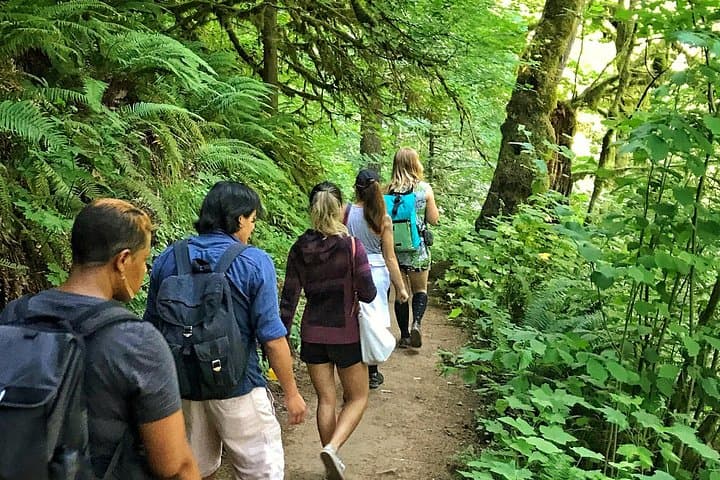
Lose the city for a few hours without leaving it: this 5-mile, 900-foot-gain Forest Park loop threads old-growth pockets, city viewpoints, and cultural landmarks for a compact taste of Portland’s wild side. Expect moss, roots, and stories.