
What the day feels like
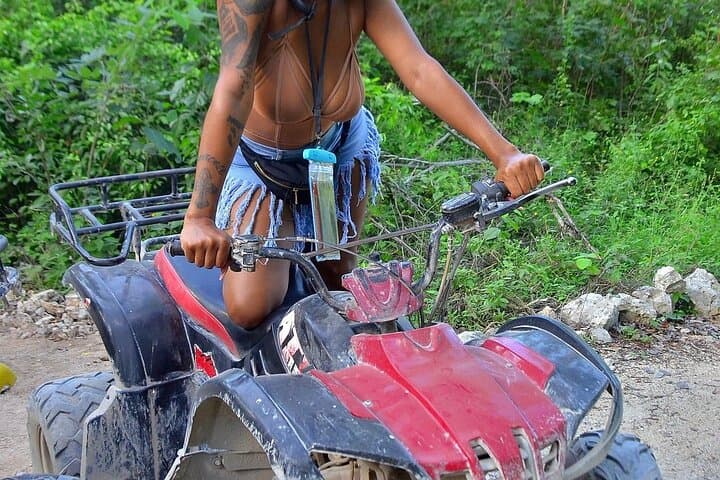
The day begins with the scent of wet earth and sun-warmed leaves. A narrow ribbon of rutted trail splits the green of the Yucatán jungle, and the rumble of ATVs breaks the jungle’s hush like a shouted hello. You lean into a corner and the machine answers—gravel spitting, ferns brushing your calves—before the canopy opens up to reveal a patch of sky and a rope-slung platform where a guide clips you into a zipline. From up there, the forest spreads like a textured map: palms and strangler figs swaying as if keeping time with the birds.
This is a Tulum day that mixes kinetic fun with the geological and cultural history that makes the peninsula singular. In roughly five hours—a comfortable, adrenaline-sweet chunk of time—you’ll ride jungle trails on an ATV, launch yourself along ziplines above a humid treeline, and finish with the silence and startling clarity of a cenote swim. It’s not about maxing out thrills; it’s about a tightly edited sequence of sensory moments that tell a larger story about the Riviera Maya.
The cenotes are the keystone. The Yucatán Peninsula is a flat, porous limestone table carved by groundwater; sinkholes open when ceilings collapse and reveal subterranean rivers and caverns. For the ancient Maya these pools were fresh-water wells and portals to the underworld—sacred spaces as much as practical ones. Today, those same waters are the region’s most intimate natural attractions: cool, often startlingly clear, and bordered by roots that look like the hands of the forest reaching down.
The zipline section offers a contrasting vantage point: speed and height that let you read the forest’s layers—low shrub, a band of taller trees, and then the broad, open canopy—like pages turned fast. Guides explain local flora along the way: how the chicle-producing sap offers historical ties to traditional industries, or how mahogany and ceiba trees anchor the jungle’s microclimate. Then comes the ATV portion, where the trails carve through secondary growth, cross washed-out gullies and skirt past limestone outcrops. It’s gritty and immediate; you feel the terrain’s personality through the seat and handlebars.
This particular tour is designed to be accessible: it’s rated moderate on effort, lasts around five hours, and is family-friendly for older children and teens. That said, you’ll want to come prepared. Trails are sandy and sometimes muddy; ziplines require sturdy footwear and a steady head for heights; cenote water is refreshing but cool—bring a lightweight towel and a dry bag.
Practicalities matter as much as thrills. The tour typically includes hotel pickup from Tulum accommodations and a light snack—convenient on a day that’s more about movement than sitting. The price point is approachable, starting from about USD 35, making it an easy add-on for travelers balancing beach time, ruins visits, and the peninsula’s slower, hammock-friendly rhythms. With instant confirmation and free cancellation in many cases, it’s low-commitment but high-reward.
Safety and sustainability are woven into the experience. Guides brief groups on harness use, proper braking on the ziplines, and how to handle ATVs safely—expect a demonstration and a slow practice loop before the trails open up. At cenotes, operators increasingly ask visitors to shower off sunscreen and insect repellant before entering to protect delicate aquatic ecosystems; many recommend reef-safe sunscreen for anyone swimming in coastal waters afterwards.
The cultural context nudges you to look beyond the action. The Tulum stretch of coastline was a small but strategically important Mayan port; inland, cenotes were vital freshwater sources and spiritual sites. When a guide points out a carved stone or a story about ancient trade routes, the day accrues depth: you’re not just crossing mangled trails—you’re riding through a landscape shaped by thousands of years of human and geological history.
Who is this for? If you relish moving through a place—feeling the wind, the motor’s vibration, the pause between one activity and the next—this is a neatly packaged day that scratches the itch for variety. Families with older kids, solo travelers who want a guided outdoor day, and groups that want both physicality and a cultural takeaway will find it especially satisfying.
Timing matters. Aim for mornings to avoid midday heat and heavier crowds; that’s when the jungle feels most alive and the water in the cenote is clearest. Bring a small daypack, a reusable water bottle, and shoes that can get muddy. Pair the tour with a late-afternoon stroll through Tulum Pueblo for tacos and a cerveza; the contrast—jungle to town—lights the whole day up.
In short: the Tulum Wild Adventure distills the Riviera Maya’s strengths—kinetic fun, geology that shapes the experience, and layers of history—into a single, well-paced outing. It’s a pragmatic adventure: not overly technical, not hyper-touristy, and easy to slot into a broader Mexico itinerary. When the day closes, you’ll have a sequence of memories: the smell of damp limestone, the quiet of a cenote pool, and the laugh that bubbles up after a first zipline flight. The jungle doesn’t just host the adventure; it participates, nudging you forward with every turn of the trail.
Trail wisdom
Small choices, better day.
Hydrate before you go
Carry at least 1 liter of water and drink before the ATVs—heat and sun on exposed trails add up fast.
Choose closed-toe shoes
ATVs and trail sections need sturdy footwear with a good grip—no flip-flops on rides or platforms.
Use reef-safe sunscreen and shower before cenote swims
Protect the cenote ecosystem by rinsing off lotions and using biodegradable, reef-safe products.
Protect your phone and camera
Bring a small dry bag or waterproof case for your phone—mud and water are constant companions.
Local knowledge
Read the place, not just the route.
Watch for native species including Howler monkeys (heard more often than seen), Migratory and resident birds such as motmots and toucans.
Keep an eye out for wildlife during the transition between areas and habitats. Respect distance guidelines.
Operators increasingly enforce no-sunscreen-before-swim rules and limit group sizes to reduce impact; always follow guide instructions and pack out trash.
Follow the guide's instructions on size limits, ethical handling, and leave-no-trace practices.
Smaller, less-visited cenote pools away from the main platforms for quieter swims. Short jungle side trails where you can spot local birdlife and orchids
Locally recommended viewpoints and quiet spots known best to local operators.
Cenotes were vital freshwater sources for the ancient Maya and frequently used for ritual purposes—many sites remain culturally significant today.
Maritime roots and regional tradition shape the waterways and working coasts.
Seasonal guide
Four versions of the same landscape.
Spring
Best forclearest cenote water · lower humidity than summer
Challengessporadic showers · early-season heat spikes
Spring offers warm days and clear water, though late-April can start feeling humid; mornings are best for activities.
Summer
Best forlush green jungle · long daylight hours
Challengeshigh heat and humidity · afternoon thunderstorms
Summer brings vibrant vegetation but frequent afternoon storms—plan for a morning departure and expect muddy trails after rain.
Fall
Best forfewer tourists · comfortable sea temperatures
Challengeshurricane season tail risks (Sept-Oct) · possible service interruptions
Fall sees reduced crowds and pleasant water temps, but keep an eye on weather advisories during hurricane season.
Winter
Best fordry weather · cooler mornings ideal for active outings
Challengeshigher tourist season · limited availability on peak days
Winter is the driest, coolest time—excellent for full-effort days—but book ahead during high season (Dec–Mar).
Operator details
What the booking data adds.
Included
- ✓Water Zipline – Experience an exciting splash landing
- ✓Cenote Experience – Swim and explore an underground cenote
- ✓Hotel pickup & drop-off available or meeting point option
- ✓Aerial Zipline Circuit – Glide above the jungle on multiple ziplines
- ✓ATV Ride Experience through jungle trails
- ✓Round-trip transportation in an air-conditioned vehicle
- ✓Certified guides throughout the experience
- ✓Mexican lunch (includes a light beverage)
Not included
- —Mayan Joungle Conservation Fee $45 USD per person (Mandatory)
Good to know
- ✓Not recommended for pregnant travelers
- ✓Suitable for all physical fitness levels
Pack with intention
What to bring.
Good to know
Common questions.
The full experience runs about five hours, including transfers, safety briefings, and the activities themselves.
Plan the edges
The details that make the day easier.
The Yucatán Peninsula has virtually no surface rivers; cenotes are the region’s primary freshwater sources and were sacred to the ancient Maya.
After the tour head into Tulum Pueblo for tangy ceviche and handmade tortillas at a local fonda, or try a mezcal cocktail at a small cantina—pueblo eateries offer a relaxed contrast to the beach scene and showcase Yucatán flavors like achiote and sour orange.
- Closest airport
- Cancún International Airport (CUN). Driving distance: ~120 km
- 1.5–2 hours to Tulum. Typical meeting point
- hotel pickup in Tulum or designated meeting spot. Cell service: generally good in town, spotty in dense jungle. Permits
- fees
- no special permits, but park
Cenotes are sensitive ecosystems—avoid sunscreen before swimming, use reef-safe products, and follow guide instructions to minimize impact.
Explore by topic
Follow the threads.
Keep exploring
Make the story part of the trip.
Set out from Bass Harbor for a private, customizable day on Blue Hill Bay — lighthouses, puffins, seals, and the chance to feel Acadia from the water. Small groups, local captains, unforgettable views.
In four hours you can move from shaded canyon ferns to wind-scoured coastal ridgelines, guided by someone who knows where the light—and the hidden views—live. This private half-day hike on the Monterey Peninsula or Big Sur is compact, curated, and perfect for travelers who want depth without a multiday commitment.
 Related story
Beneath a sky of shifting light, Skaftafell’s ice reads like a map of time. This three-hour guided glacier hike mixes technical instruction with geology and culture: compact, safe, and unforgettable.