
What the day feels like
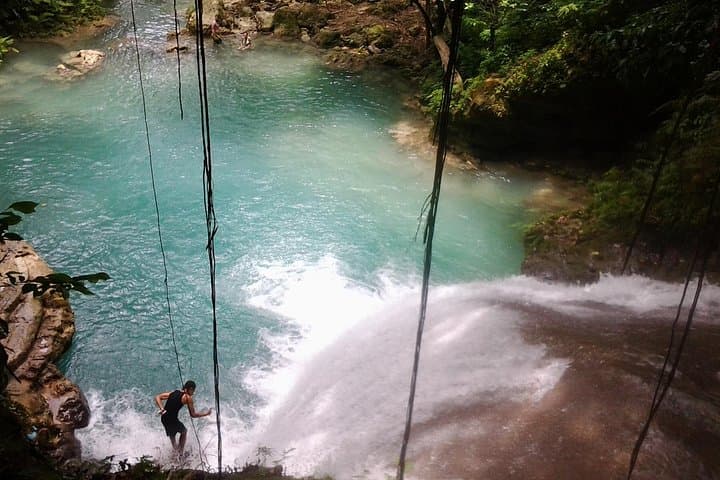
You climb a ribbon of wet limestone and the canopy closes like a theater curtain—green light, the smell of damp earth, and the sound of water marching down rock. Ahead, a pool the color of a polished stone opens under a curtain of vines: the Blue Hole, a 25-foot natural basin tucked into the hills east of Ocho Rios. It isn’t a single waterfall so much as a sequence of pockets—bright, clear basins threaded by trickling falls, a rope swing tied to a stout tree limb, a cave mouth that suggests more to be discovered. For a few hours the jungle sets the rules: feel the current, pick your line, let the water test your nerve.
The Blue Hole’s pull is immediate and physical. Guides escort small groups up and downstream, pointing out ledges that make fine jumping platforms and encouraging cautious laps through the cave. The experience moves like a short, intense poem—adrenaline followed by the slow satisfaction of warm sunlight on skin as you towel off on a sun-warmed rock. It’s less a rigid hike than a playful scramble through a living playground.
Geology and history are quietly folded into the scenery. These pools are the result of limestone bedrock dissolved and sculpted by the White River and its tributaries over millennia; the result is a scalloped landscape of plunge pools, channels, and underwater caves. Culturally, the Blue Hole sits within the same coastal geography that made this corner of Jamaica a waypoint for sailors, sugar plantations, and, in time, cruise ships. On tours from Falmouth you’ll often pass Columbus Park—Jamaica’s only open-air maritime museum—its cannons and clapboard pavilions a reminder that this place’s modern tourism is built on deep, sometimes fraught, histories of trade and migration.
Locals have called it Secret Falls or Island Gully Falls; the nickname matters less than the ritual. You arrive hot from the coast, trade the cruise-ship bustle for a shaded trail, and meet a guide whose steady confidence reshapes risk into possibility—tie a life vest here, watch that ledge, take that photo when the light is perfect. The Blue Hole is both intimate and cinematic: kids shriek as they swing out and release; older visitors grin with a mix of disbelief and delight. It’s the sort of place where conversations pause and people negotiate small acts of daring—jumping into a clear-blue bowl, threading through the cave’s low entrance, trusting the guide’s hand on a slick boulder.
Practical specifics matter here. The tour runs from Falmouth or the Falmouth cruise pier and lasts roughly 5–6 hours round-trip, which includes about 60–90 minutes of travel each way and 1.5–2 hours at the falls. The walk and scramble upstream is short—typically under a mile total—but it involves wet, uneven limestone, short climbs, and slippery surfaces. Expect a total elevation change of a few dozen feet; nothing alpine, but enough to require stable footing. Swimming is part of the visit; life vests and guide supervision are standard, but basic comfort in the water is essential.
Timing and preparation are straightforward: go early in the day for cooler air and softer light (and fewer cruise crowds), wear closed-toe water shoes that grip rock, and stow your phone in a dry bag until you reach a secure ledge for photos. Bring a towel, biodegradable sunscreen, and a small bottle of water—you’ll perspire on the drive and again on the scramble. Guides will usually offer rope-swinging advice and help with photos, but photography enthusiasts should aim for late-morning light when the canopy filters sun into shafts that make the water glow.
The social side of the trip matters: guides are local, often with a whole-family stake in tourism; tipping is customary and appreciated. After the Blue Hole most tours stop in Ocho Rios for a late lunch or a quick beach walk—Scotchies is the classic nearby jerk stop for a rousing post-dip plate of chicken and festival. If you’re coming from a Falmouth departure point, the town itself is worth a walk—Georgian timber houses and the restored port are reminders that this is a living place, not just postcard scenery.
Safety is pragmatic rather than theatrical. The rock is slick underfoot and currents can tug unexpectedly; follow your guide’s advice about jump points and cave passages. If you’re traveling with kids, choose the slower sections of the pools and borrow a life vest. Rain can change conditions fast—downpours upstream will turn clarity into churn—so ask about recent weather before you head out.
Why travelers go: the Blue Hole compresses the best parts of Caribbean adventure into a single afternoon—swimming, scrambling, and a little theatrical daring—while placing you deep into Jamaican hill country away from the main strip. For families it’s splash-friendly and memorable; for pairs and small groups it’s a compact, social rush. For anyone who likes their travel tactile (water on skin, rock underfoot, green everywhere), this is an easy, accessible promise kept.
If you want a tour that pairs natural beauty with local color—historical stops, a drive along the Golden Coast, and a guide who knows each ledge—this tour delivers. It’s short enough to fit into a cruise day or a lazy island break, but vivid enough that you leave with a clear, private memory: the soft thunk of your feet into cool water, the wind pushing the vines, the Blue Hole’s patient, blue stare daring you to come again.
Trail wisdom
Small choices, better day.
Wear water shoes
Closed-toe water shoes with grippy soles protect your feet on slippery limestone and make scrambling safer.
Bring a dry bag
Protect your phone and wallet—pack them in a small dry bag and leave valuables on the bus or in a locker.
Time it early
Book the morning slot to avoid cruise crowds and to catch the best light for photos.
Listen to your guide
Guides know the safest jump points and the cave’s tide—follow their directions to avoid risky sections.
Local knowledge
Read the place, not just the route.
Watch for native species including Hummingbirds flitting in the canopy, Green iguanas sunning on rock ledges.
Keep an eye out for wildlife during the transition between areas and habitats. Respect distance guidelines.
The pools are fragile freshwater habitats—use reef-safe products, avoid stepping on aquatic plants, and carry out all trash to minimize impact.
Follow the guide's instructions on size limits, ethical handling, and leave-no-trace practices.
White River bamboo rafting (nearby calmer river experience). Falmouth’s Georgian-era historic district for a quick post-tour walk
Locally recommended viewpoints and quiet spots known best to local operators.
The drive toward Blue Hole passes Columbus Park in Falmouth—the island’s only open-air maritime museum—illustrating the area’s colonial maritime history and its evolution into a cruise and cultural hub.
Maritime roots and regional tradition shape the waterways and working coasts.
Seasonal guide
Four versions of the same landscape.
Spring
Best forWarmer water · Smaller crowds in shoulder season
ChallengesOccasional late showers · Variable river flow after rains
Spring, especially March–April, often means warm, clear pools and comfortable temperatures; watch for intermittent rain that can change river conditions.
Summer
Best forLush jungle scenery · Longer daylight hours
ChallengesAfternoon downpours · Higher humidity
Summer brings dense green growth and strong light—expect short heavy showers and plan for humidity and slicker rocks after rain.
Fall
Best forFewer tourists · Warm sea temperatures
ChallengesHurricane season risk (Aug–Oct) · Possible higher river turbidity
Early fall can be quiet and warm, but be mindful of the broader hurricane season and local advisories that can affect river conditions.
Winter
Best forDry weather · Peak cruise-season accessibility
ChallengesMore cruise-ship crowds on popular dates · Cooler mornings
The dry winter months (Dec–Apr) are the most reliable for clear water and stable conditions, though popular cruise days bring more visitors.
Operator details
What the booking data adds.
Included
- ✓All Fees and Taxes
Not included
- —Lunch
Good to know
- ✓Public transportation options are available nearby
- ✓Specialized infant seats are available
- ✓Not recommended for travelers with spinal injuries
- ✓Not recommended for pregnant travelers
- ✓Not recommended for travelers with poor cardiovascular health
- ✓Travelers should have at least a moderate level of physical fitness
Pack with intention
What to bring.
Good to know
Common questions.
The scramble through the falls is short—typically under a mile total—including brief climbs and wet sections; expect about 60–90 minutes on-site depending on group pace.
Plan the edges
The details that make the day easier.
The Blue Hole is also known locally as Island Gully Falls or Secret Falls and sits on limestone carved by the White River; many tours include a cultural stop at Columbus Park, Jamaica’s only open-air maritime museum.
After the falls, head to Ocho Rios for spicy jerk at Scotchies, sample local rum punches at a roadside bar, or stroll Falmouth’s restored port for a glimpse of Georgian-era architecture—food and small rum shops make the excursion feel like a true local day.
- Closest airport
- Sangster International Airport (MBJ) in Montego Bay (~35–45 min drive to Falmouth); Typical drive from Falmouth pier to Blue Hole: 45–60 minutes; Cell service: patchy in the gorge; Permits: none required for visitors (tour operator handles access).
This freshwater system is sensitive—use biodegradable sunscreen, stay on established paths, avoid touching aquatic plants, and carry out all trash to protect the pools and cave habitats.
Explore by topic
Follow the threads.
Keep exploring
Make the story part of the trip.
 Related story
Less than two hours from Nairobi, Kereita Forest pairs hands-on canopy adventure with quiet montane trails and a sobering colonial history—perfect for families, teams, and curious travelers seeking a full-day pulse of nature.
Set out from Bass Harbor for a private, customizable day on Blue Hill Bay — lighthouses, puffins, seals, and the chance to feel Acadia from the water. Small groups, local captains, unforgettable views.
In four hours you can move from shaded canyon ferns to wind-scoured coastal ridgelines, guided by someone who knows where the light—and the hidden views—live. This private half-day hike on the Monterey Peninsula or Big Sur is compact, curated, and perfect for travelers who want depth without a multiday commitment.