
What the day feels like
First light finds you in the Lamar Valley, where chill air slicks your breath and the hills trade shadows for color one ridge at a time. Sagebrush whispers. The river keeps its own steady time, pushing forward as if daring you to keep up. A far ridge stirs—elk threading a skyline, bison shouldering through the grass like slow-moving storm clouds. If you’re lucky, a chorus rises from the timber—a layered, electric moment when wolves make themselves heard before the day truly begins.
This is Yellowstone in summer and fall, the seasons when wildlife is moving, feeding, and—come September—competing. On a full-day, expert-led tour tailored to your interests, you’re not just cruising roads. You’re reading the park: scanning drainages, glassing saddles, watching ravens paint circles that might signal a carcass. With an experienced guide who tracks the park’s wolf packs and understands their shifting territories, you’re placed where the story is likely to unfold. Fewer guesses. More chances at the moments you came for. If you’re considering a dedicated outing, this is the window—and this is the way to do it. Learn more or book through our trusted local expert partner here: <a href="https://app.advcollective.com/local-experts/wildlife-photography-with-kaul-of-the-wild-yellowstone-tours">Yellowstone wildlife photography tours</a>.
Yellowstone is a living geology lesson. The ground beneath your boots is the rim of a vast volcanic system, its heat breathing out as mist from rivers and riffles, as steam from terraces and vents. That heat fuels grass early and late in the season, and grass fuels grazers—bison, elk, and pronghorn—which in turn draw predators. The park’s northern range, from Mammoth Hot Springs through the Lamar, is a textbook in motion. After wolves were reintroduced in 1995, the food web reorganized; elk grew warier, willow and aspen stands rebounded in places, and the soundtrack shifted. Today, late-summer mornings can bring sightings that feel intimate and wild: a grizzly teaching a subadult the art of foraging, or a coyote dancing mouse-like over hidden voles.
By fall, the tempo changes. Bulls decorate themselves in the morning with breath like smoke and voices that seem too large for any animal to carry. Moose prowl the willows, heavy-headed and deliberate, and bears ramp up their calories in a race against winter. The landscape puts on its best jacket—golden willows, rusted hillsides, and frost-white mornings that give way to blue, high-ceiling afternoons. At this time of year, your guide may suggest a pre-dawn departure, placing you where wolves might transit with grown pups, where elk stage for the day, or where a known bear corridor meets a berry slope. Patience matters. So does mobility. With park roads fully open in summer and into fall, it’s easier to pivot when radio chatter or fresh sign nudges the plan. For a seamless experience, connect with our vetted pro here: <a href="https://app.advcollective.com/local-experts/wildlife-photography-with-kaul-of-the-wild-yellowstone-tours">guided wildlife photography in Yellowstone</a>.
This tour is built around seeing, learning, and photographing well. High-quality scopes and binoculars help you find details at distance without pushing ethical boundaries. You’ll keep the park’s rules sacred—100 yards from wolves and bears, 25 from other wildlife—and you’ll do it gladly, because the big picture often tells the better story. Use a long lens to frame action, then zoom wider for context: river braids, glacial-cut benches, heat ripples that make the entire scene feel alive. When traffic builds and the sun climbs, your guide is likely to aim you toward new corners—Blacktail plateaus that hold late light, pebble-bottomed creeks where pronghorn ghost through sage, pullouts where ravens advertise opportunity. Lunch is included, as are warm drinks when the morning bites. Guests of the historic Murray Hotel in Livingston even get discounted rates, a small nod to a Yellowstone tradition of comfort after a long day outside.
Logistically, the day is easy on your legs and full on your senses. Pick-ups can be arranged from Livingston, Paradise Valley, Gardiner, or Mammoth Hot Springs. A comfortable Jeep carries you and your gear across the park’s wildlife corridors with room for scopes, tripods, and layers. If you don’t have a camera, no problem—your guide can point you to reputable rentals in Bozeman before the tour, and you’ll still enjoy vivid views through provided optics. For photographers, pack a telephoto (400–600mm is the sweet spot), a second body or mid-range zoom for environmental portraits, and a tripod or window beanbag for steady frames from pullouts. Early light is kind; mid-day light is honest. Both tell a story worth capturing.
As the afternoon drifts toward evening, the valley exhales. Shadows lengthen, and animals emerge again from the shelter of timber and cool ravines. Rivers glint like dark glass. Coyotes thread the sage with that confident trot that makes the entire landscape feel like a set—yet this is unscripted, unrepeatable. You’re present for it because someone knew where to be and when to wait, and because Yellowstone still rewards people who move with patience and care. Ready to plan your own day on the northern range? Tap our trusted partner page for details, availability, and insider advice: <a href="https://app.advcollective.com/local-experts/wildlife-photography-with-kaul-of-the-wild-yellowstone-tours">Kaul of the Wild Yellowstone tours</a>.
Come for the wolves, stay for the way this place sharpens your senses. By the time darkness rises from the river, you’ll feel the park has measured you—quietly, fairly—and invited you back.
Trail wisdom
Small choices, better day.
Beat sunrise
Wildlife moves early. Plan for a pre-dawn pick-up to be in position when wolves, bears, and elk are most active.
Use the long lens, keep your distance
A 400–600mm lens lets you get compelling shots without stressing wildlife. Follow Yellowstone’s 100-yard rule for bears and wolves.
Layer like a local
Summer mornings can be in the 30s and afternoons in the 70s. Pack insulating and windproof layers you can add or shed quickly.
Let the car be your blind
Shooting from pullouts or the vehicle with a window beanbag steadies your frame and minimizes disturbance.
Local knowledge
Read the place, not just the route.
Watch for native species including Gray wolf, Grizzly bear.
Keep an eye out for wildlife during the transition between areas and habitats. Respect distance guidelines.
Maintain required distances (100 yards from bears and wolves, 25 from other wildlife), stay on pullouts, and pack out all trash to protect sensitive habitats and animal behavior.
Follow the guide's instructions on size limits, ethical handling, and leave-no-trace practices.
Blacktail Plateau Drive’s off-highway feel for evening light and elk views. Slough Creek overlooks where wolf activity sometimes intersects with bison herds
Locally recommended viewpoints and quiet spots known best to local operators.
Gray wolves were reintroduced to Yellowstone in 1995–1996, reshaping predator-prey dynamics and inspiring ongoing research into trophic cascades.
Maritime roots and regional tradition shape the waterways and working coasts.
Seasonal guide
Four versions of the same landscape.
Spring
Best forCalving season for bison and elk · Cool temperatures and fresh green-up
ChallengesVariable road openings · Unpredictable storms
Spring brings new life and dynamic behavior, but access can be limited by lingering snow and temporary closures.
Summer
Best forConsistent road access · Early-morning wolf and bear activity
ChallengesMidday heat and haze · More traffic at popular pullouts
Long days and open roads make it easier to move with sightings; start early to beat crowds and capture soft light.
Fall
Best forElk and moose rut · Peak colors and crisp air
ChallengesChilly mornings · Shorter daylight hours
Wildlife intensity rises as bears forage and ungulates spar; golden willows and frosted meadows elevate every frame.
Winter
Best forWolf watching on a quiet landscape · Clean light and dramatic scenes
ChallengesCold extremes · Limited road access and specialized transport
Winter offers stark beauty and fewer people, but requires snow-savvy planning and warm layers; some tours operate with seasonal adjustments.
Pack with intention
What to bring.
Good to know
Common questions.
An additional $20 per person is required for entry into the park; if you hold a valid America the Beautiful pass, confirm options with your guide before the tour.
Plan the edges
The details that make the day easier.
Yellowstone became the world’s first national park in 1872 and sits atop one of the planet’s largest active volcanic systems, the Yellowstone Caldera.
Refuel in Gardiner at Wonderland Cafe for coffee and scratch-made fare, then grab a classic pie at K-Bar Pizza. If you’re staying in Livingston, toast the day with a pint at Katabatic Brewing. For a mellow capstone, soak under big sky at Yellowstone Hot Springs north of Gardiner.
- Closest airport
- Bozeman Yellowstone International (BZN). Pick-up available in Livingston, Paradise Valley, Gardiner, and Mammoth. Drive time from Gardiner to Lamar Valley: ~45–60 minutes. Cell service: reliable in town and Mammoth, spotty to none in the valley. Permits
- fees
- additional per-person park entry required; carry ID and payment method.
Wildlife thrives when we give it room. View from pullouts, never block traffic, and keep food secured. Pack out all trash and avoid approaching or calling to animals—your restraint protects their natural behavior.
Explore by topic
Follow the threads.
Keep exploring
Make the story part of the trip.
In four hours you can move from shaded canyon ferns to wind-scoured coastal ridgelines, guided by someone who knows where the light—and the hidden views—live. This private half-day hike on the Monterey Peninsula or Big Sur is compact, curated, and perfect for travelers who want depth without a multiday commitment.
 Related story
Beneath a sky of shifting light, Skaftafell’s ice reads like a map of time. This three-hour guided glacier hike mixes technical instruction with geology and culture: compact, safe, and unforgettable.
 Related story
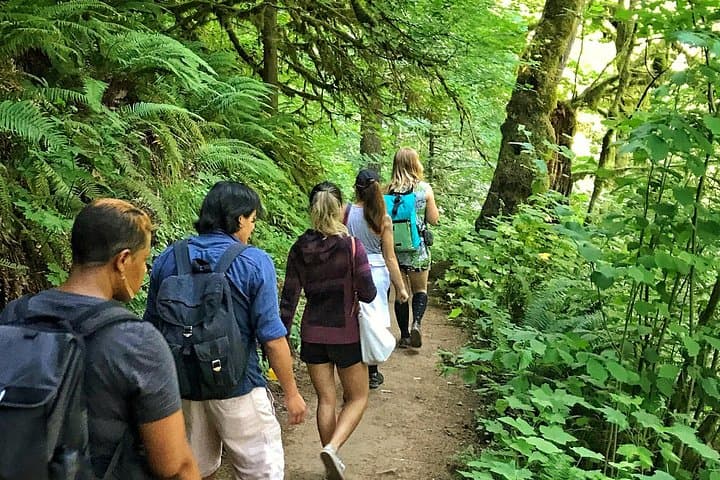
Lose the city for a few hours without leaving it: this 5-mile, 900-foot-gain Forest Park loop threads old-growth pockets, city viewpoints, and cultural landmarks for a compact taste of Portland’s wild side. Expect moss, roots, and stories.