
What the day feels like
The jungle starts with sound before it becomes view: a layered chorus of birds, the distant slap of leaves and, below the green ceiling, the slow percussion of water finding its way through limestone. You step off the dusty service road and into humidity that smells of earth and wet stone. Moments later you’re staring down into black mirror — the entrance to a cavern where a river has cut its own private world beneath the canopy. It doesn’t politely invite you; it dares you to go in.
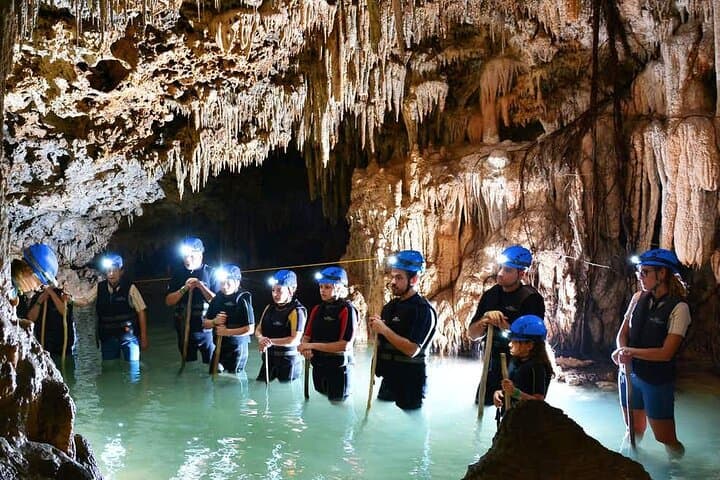
This is the promise of A secret river adventures tour in the Riviera Maya: a full-day mashup of cave snorkeling, short jungle rides on a bike, and a heart-skimming rappel into the shadowed mouth of the cavern. It’s an eleven-hour loop (the tour clocks in at about 660 minutes) organized around a string of micro-adventures that, together, read like a condensed primer on the Yucatán’s subterranean landscape. You’ll float under stalactites and over submerged channels, pedal along singletrack cut through moist, root-tangled woods, and lower yourself down a rope where the jungle seems to breathe around you.
Geology explains why this feels both primeval and close to home. The Yucatán Peninsula is a vast platform of porous limestone; over millennia rainwater carved caverns and cenotes, creating one of the world’s most extensive underwater cave systems. The caves here are not polished showpieces but working passages: mineral curtains hang like fossilized waterfalls, stalagmites push up from the floor, and the river — patient and relentless — keeps reshaping the gallery. Guides point out flowstone, drips frozen mid-journey, and limestone teeth that have grown inch by slow inch.
There’s a cultural layer to the place, too. The Maya regarded cenotes and underground rivers as portals to the underworld — sacred and sometimes feared. Modern-day tours step carefully through that history, and local guides will often weave in folklore about how these places provided both refuge and resources to people for centuries. That historical resonance adds a quiet gravity to the experience; it’s adventure, yes, but not divorced from place.
The day is calibrated to be thrilling without being technical beyond what a reasonably fit traveler can manage. Typical groups move between easy-to-moderate hikes (expect a few short stretches of uneven, sometimes slick limestone) and water time that requires comfortable snorkeling ability. The rappel is straightforward but exposed enough to get your heartbeat moving — think a 10–20 meter vertical descent onto rocks and into the shadow of the cave mouth. The bike portion covers short jungle trails rather than all-day mountain routes; it’s about flow and a little speed, not endurance.
Why choose this day tour? It’s compact: in a single booking you get the variety many people plan multiple days to fit in — cave snorkel, light biking, and a rappel. It’s also sensory-dense: the cool silence of a cavern, the sting of freshwater on your face as you emerge into daylight, the smell of crushed leaves on a hot trail. For families with older kids, adventure groups, and solo travelers who want a full-day rhythm that never lags, this feels purposeful and complete.
Practicalities are refreshingly straightforward. The tour runs as a full-day outing — plan for an 11-hour day including transfers if your operator provides them. Footwear should be grippy and quick-drying; you’ll be moving from wet cave floors to loamy jungle trails. Sunscreen matters at the staging areas and on any open stretches, but opt for reef-safe formulas — the limestone systems are sensitive to certain chemical sunscreens. Hydrate early and often; despite the shade the humidity will sap you.
Guides carry the group through the cave and manage rope systems for the rappel. They’ll brief you on buoyancy and fin technique for the snorkeling sections and make sure you’re comfortable with the rappel harness before you commit. Safety feels methodical rather than theatrical — rope checks, buddy systems in the water, and steady pacing on the bike segments.
If you’re timing your visit, aim for the dry season months for clearer water and fewer mid-day downpours. But even in the shoulder seasons the river’s clarity stays impressive; the cave’s microclimate protects parts of it from surface turbidity. Bring a small waterproof camera or use a float strap — the underwater passages are photogenic in a way you won’t anticipate until you’ve seen light refract across a stalactite.
On a practical level, budget for a full day and reserve in advance; the tour is popular and marked as likely to sell out. The operation tends to be instant-confirmation friendly, which helps with last-minute travel planning. Bring copies of any travel documents, have cash for tips or small purchases, and prepare for spotty cell reception once you’re in the jungle.
This is not an expedition for technical cavers, nor is it a mellow stroll. It lives in a middle ground where the natural features do almost all of the work: caverns that feel carved by patient water, a river that dares you to float its quiet corridors, and a jungle that hands you a bike and says enjoy. Come prepared and curious, and you’ll leave with a day’s worth of small, exacting memories — the click of harness buckles, the hush of a cave, sunlight like a promise when you surface.
Trail wisdom
Small choices, better day.
Choose reef-safe sunscreen
Use biodegradable, chemical-free sunscreen to protect the cenote and cave ecosystems.
Bring a waterproof camera strap
You’ll be in and out of water; a float strap keeps your camera or phone from drifting away.
Wear quick-drying footwear
Closed-toe water shoes or hiking sandals with grips handle both slick cave rock and jungle trails.
Hydrate before arrival
Carry a refillable bottle; humidity and activity levels mean you’ll drink more than usual.
Local knowledge
Read the place, not just the route.
Watch for native species including Kukulkan (local freshwater fish) and other small cave-adapted fish, Coatis and a variety of tropical birds in the overstory.
Keep an eye out for wildlife during the transition between areas and habitats. Respect distance guidelines.
The cenote ecosystems are fragile: avoid sunscreens with harmful chemicals, stick to designated paths to limit erosion, and pack out all trash.
Follow the guide's instructions on size limits, ethical handling, and leave-no-trace practices.
Small cenote pools near the main cavern that are great for quiet reflection. Short, shaded trails that open to lookout points over the jungle canopy
Locally recommended viewpoints and quiet spots known best to local operators.
Many cenotes and underground rivers were sacred to the Maya and served as water sources and ceremonial sites; local guides often share stories linking natural features to ancestral practices.
Maritime roots and regional tradition shape the waterways and working coasts.
Seasonal guide
Four versions of the same landscape.
Spring
Best forClear water snorkeling · Moderate daytime temperatures
ChallengesOccasional rain · Higher humidity
Spring offers warm days and good water clarity, though late-season rains can bring short showers—pack a light rain layer.
Summer
Best forLush jungle scenery · Long daylight hours
ChallengesHotter temperatures · Afternoon storms
Summer is vibrant and green; expect heat and periodic storms—start early to avoid the hottest part of the day.
Fall
Best forFewer crowds · Comfortable water temps
ChallengesHurricane season peaks early fall · Occasional choppier water
Fall can be quieter but sits in the hurricane window; check forecasts and book flexible options.
Winter
Best forDry conditions · Crisper mornings
ChallengesCooler early mornings · Higher tourist season around holidays
Winter brings clear skies and stable conditions—ideal for photography and extended time in the water.
Operator details
What the booking data adds.
Included
- ✓Regional Buffet with fresh waters
- ✓Rappel and bike activities
- ✓Admission to the nature reserve
- ✓All the equipment necessary for each activity
- ✓Locker
- ✓Room of peace
Not included
- —Photo package
- —Breakfast and box lunch
- —Water shoes (You can bring your own or rent them for $2 USD per person)
Good to know
- ✓Wheelchair accessible
- ✓Infants and small children can ride in a pram or stroller
- ✓Public transportation options are available nearby
- ✓Specialized infant seats are available
- ✓Transportation options are wheelchair accessible
- ✓All areas and surfaces are wheelchair accessible
- ✓Suitable for all physical fitness levels
Pack with intention
What to bring.
Good to know
Common questions.
The activity is a full-day experience lasting roughly 11 hours (about 660 minutes), including transfers when provided.
Plan the edges
The details that make the day easier.
The Yucatán Peninsula contains some of the longest underwater cave systems in the world (including Sac Actun), formed by rainwater dissolving limestone over millennia.
After the tour, head to Playa del Carmen’s Quinta Avenida for ceviche or fish tacos and a cold cerveza; small taquerías and seafood stalls nearby serve fresh catches and local flavors—look for cochinita sandwiches and lime-heavy marinated seafood.
- Closest airport
- Cancun International Airport (CUN)
- Typical drive
- 45–90 minutes from main Riviera Maya hotels depending on meeting point
- Cell service
- Limited once in jungle and inside caves
- Permits
- Included in tour fee—no additional permits typically required
These cenote and cave systems are ecologically sensitive—use reef-safe sunscreen, stay on marked paths, minimize plastic waste, and follow guide instructions to protect fragile formations.
Explore by topic
Follow the threads.
Keep exploring
Make the story part of the trip.
In four hours you can move from shaded canyon ferns to wind-scoured coastal ridgelines, guided by someone who knows where the light—and the hidden views—live. This private half-day hike on the Monterey Peninsula or Big Sur is compact, curated, and perfect for travelers who want depth without a multiday commitment.
 Related story
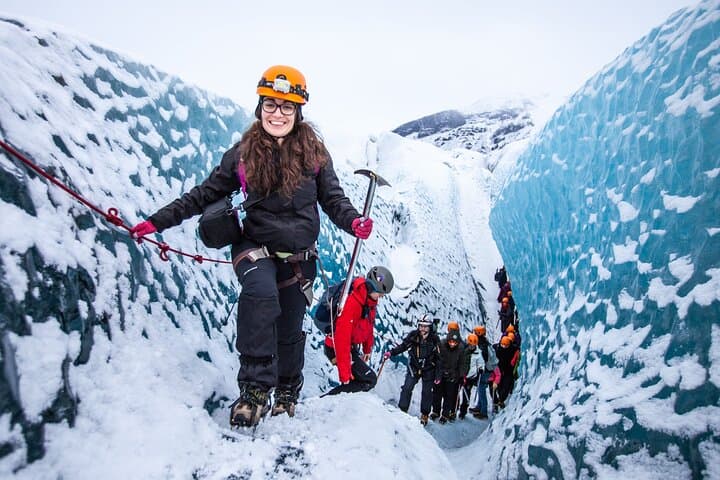
Beneath a sky of shifting light, Skaftafell’s ice reads like a map of time. This three-hour guided glacier hike mixes technical instruction with geology and culture: compact, safe, and unforgettable.
 Related story
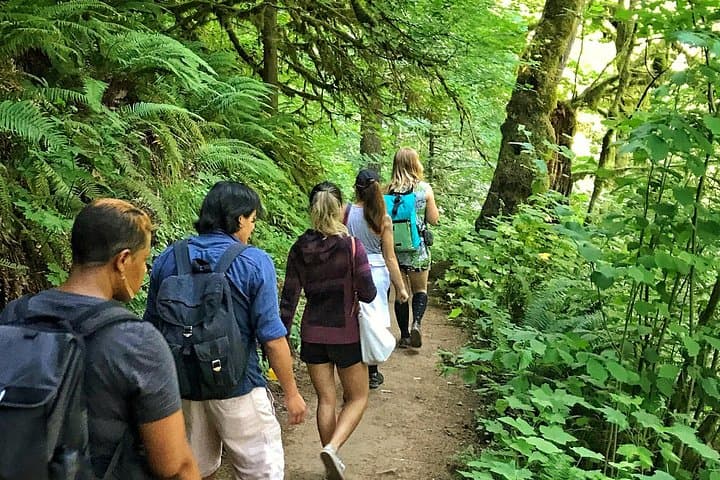
Lose the city for a few hours without leaving it: this 5-mile, 900-foot-gain Forest Park loop threads old-growth pockets, city viewpoints, and cultural landmarks for a compact taste of Portland’s wild side. Expect moss, roots, and stories.