
What the day feels like
By midmorning the light in the jungle has the slick clarity of a wet coin. Leaves snap occasional sunbeams into the shadows beneath the canopy and the bus sighs to a stop on a dirt lane where the modern world thins and water takes over. You change into a swimsuit, sling a small dry bag over your shoulder, and follow the guide as the path narrows—roots, steps carved from limestone, the mossy scent of stone that has been filtering rain for millennia. The first cenote opens like a secret: a green-black pool cupped in rock, a curtain of roots hanging like beads. The water is cool; it pulls at your skin with the polite insistence of something older than your plans for the day.
This is a full-day circuit of cenotes—Cenote Zacilha, Mutulha and Kuxtal—plus the brackish jewel Kaan Lu’um and two hours on the soft white sand of Playa Paraíso within Tulum. The itinerary is simple and generous: about an hour in each cenote to swim, photograph, and breathe; a boxed lunch given on the transport; an included meal at a local restaurant; and two hours of quiet beach time before the ride back. At roughly 12 hours from pickup to return, it’s a long day measured in water rather than distance.
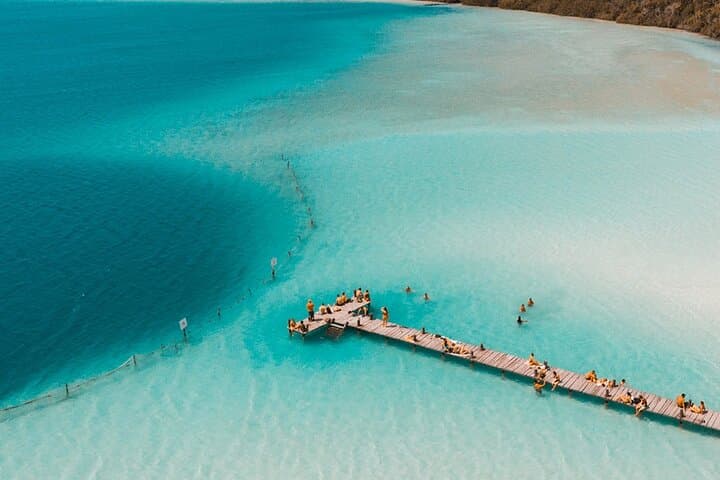
Cenotes are geological fingerprints of the Yucatán Peninsula. The limestone bedrock, dissolved by rain and time, collapsed in places to reveal fresh groundwater—some shallow and sunlit, some cavernous and blue-black. Each cenote on this route reflects a different chapter of that process: Zacilha’s open-air bowl, Mutulha’s foliage-fringed calm, Kuxtal’s crystalline floor with pockets of light. Kaan Lu’um, a short ride from Tulum, is a lagoon with a dramatic heart: a deep, fresh-water cenote tucked inside that swallows color and makes the surface water milky turquoise around it.
Historically these wells were sacred to the Maya. They were sources of water in a karst landscape where rivers are rare, and often places of ritual. Today they are places of leisure and reverence at once—locals know them as quiet sanctuaries, and guides treat them as ecosystems that require respect.
What you’ll actually do is simple and sensory: step from warm jungle into cool water, float and look up at the ring of limestone, follow a guide to a shaded swim lane where schools of small fish braid through your limbs, and climb out for a towel and lunch, feeling the day unfold in temperature changes. If you like photography, the cenotes are maddeningly generous—reflections, shafts of light, and the quick microexpressions of water over stone.
Practical things: the tour lasts about 12 hours with roughly one hour at each cenote and two hours on Playa Paraíso. Expect modest walking—carved steps, uneven trails and some shallow wading—no technical climbing. Snorkel gear is typically available or can be rented; bring a mask you like if you’re picky. Wear water shoes or sturdy sandals with grip; the limestone can be sharp and slippery. Sunscreen is necessary for the beach portions but use biodegradable formulas to protect the cenote ecology.
Safety is practical common sense: the cenotes vary in depth, and some drops are sudden; if you aren’t a confident swimmer, request a life vest (they’re standard). Keep your distance from fragile stalactites and bedrock; they formed over thousands of years. Hydration matters on a long day—carry a refillable bottle and use the stops for water. Finally, consider the pace—this is a long day that starts early; schedule the next day for low-key recovery.
Why do this? Because the mix is rare: several types of cenotes in one day, the rare inland blue of Kaan Lu’um, and a generous window on Playa Paraíso’s white sand—without the multi-day transport of longer expeditions. For travelers based in Playa del Carmen or Tulum, it’s an efficient immersion into Yucatán hydrology, Maya history and coastal downtime.
If you go: take a small waterproof camera or a phone in a proper case for quick shots, skip heavy jewelry, and plan shoes that can handle both sand and slick rock. Bring a small tip for the guide if they’ve been attentive—most groups expect it. The cost is reasonable for a full-day service that includes transport and meals, and the group size is usually small enough to keep the pace relaxed.
At the end of the day you’ll have a stack of different blues in your head—the deep, bottomless cenote dark; the green-gold of a pool filtered by leaves; and the Caribbean’s turquoise that stretches out from Playa Paraíso. That variety makes a long day feel like a curated sample of Yucatán water culture. It’s not just another swim—it's a way to understand why water here has long been both life and legend.
Trail wisdom
Small choices, better day.
Use biodegradable sunscreen
Protect your skin on the beach but avoid contaminating fragile cenote ecosystems—apply only at the beach or use mineral alternatives.
Bring water footwear
Limestone can be sharp and slippery; water shoes or sandals with good grip make entries and exits safer.
Rent or bring a snorkel mask
Snorkeling reveals cenote textures and fish life—if you prefer your own gear bring it for comfort and fit.
Carry a small dry bag
Keep phone, cash, and a light towel dry during transfers between sites; a compact bag is quicker to stow.
Local knowledge
Read the place, not just the route.
Watch for native species including Freshwater fish (small characins).
Keep an eye out for wildlife during the transition between areas and habitats. Respect distance guidelines.
Choose biodegradable products, avoid touching formations, and support local guides who practice low-impact tourism to protect these fragile freshwater systems.
Follow the guide's instructions on size limits, ethical handling, and leave-no-trace practices.
Small, shaded swim caves off the main path at Kuxtal where light shafts make iridescent reflections. A shallow rim at Kaan Lu’um where local families picnic—great for photographing lagoon-to-cenote contrast
Locally recommended viewpoints and quiet spots known best to local operators.
Cenotes were vital freshwater sources for the Maya and often associated with ritual offerings; many local cenotes retain cultural significance.
Maritime roots and regional tradition shape the waterways and working coasts.
Seasonal guide
Four versions of the same landscape.
Spring
Best forMild temperatures · Good water visibility
ChallengesOccasional rain showers · Busier weekends
Spring (March–May) offers warm days and clear water; mornings are best for light and visibility.
Summer
Best forLush jungle scenery · Warmer swim temps
ChallengesHigh humidity · Afternoon storms and hurricane season risks
Summer brings dense green foliage and warm water but expect heat and sporadic heavy rains—plan early starts.
Fall
Best forFewer crowds · Good light for photography
ChallengesHurricane season tail risks · Some services may reduce hours
Fall can be quieter but carries residual storm risk—monitor forecasts before booking.
Winter
Best forDry weather · Comfortable temperatures
ChallengesPeak tourist season · Prices can be higher
Winter offers the most reliable dry conditions and clear skies—book early for holiday windows.
Operator details
What the booking data adds.
Included
- ✓Air-conditioned vehicle
- ✓1 dish of your choice from the menu
- ✓A small box lunch (fruit, juice, cookie)
Not included
- —Alcoholic Beverages
- —Soda/Pop
Good to know
- ✓Public transportation options are available nearby
- ✓Infants are required to sit on an adult’s lap
- ✓Suitable for all physical fitness levels
Pack with intention
What to bring.
Good to know
Common questions.
The tour is approximately 12 hours long with pickup from Playa del Carmen; confirm exact pickup location and time with the operator when booking.
Plan the edges
The details that make the day easier.
Kaan Lu’um’s central cenote reaches depths of roughly 80 meters, producing a milky turquoise ring that contrasts with shallower lagoon water—an unusual inland sinkhole formation.
After the water, head back into Playa del Carmen for fresh seafood at El Camello Jr. or a relaxed meal at La Cueva del Chango; try ceviche or cochinita pibil tacos and pair them with a cold local beer or agua fresca.
- Closest airport
- Cancún International Airport (CUN). Typical pickup city: Playa del Carmen. Driving distance to Tulum
- Playa Paraíso
- ~65 km (about 1–1.5 hours depending on traffic). Cell service: reliable in towns, patchy at remote cenotes. Permits: none required for visitors—entrance fees usually covered by the tour.
Cenotes are delicate freshwater ecosystems—use biodegradable sunscreen, avoid soaps, don’t touch formations, and support guides who follow strict conservation practices.
Explore by topic
Follow the threads.
Keep exploring
Make the story part of the trip.
Set out from Bass Harbor for a private, customizable day on Blue Hill Bay — lighthouses, puffins, seals, and the chance to feel Acadia from the water. Small groups, local captains, unforgettable views.
In four hours you can move from shaded canyon ferns to wind-scoured coastal ridgelines, guided by someone who knows where the light—and the hidden views—live. This private half-day hike on the Monterey Peninsula or Big Sur is compact, curated, and perfect for travelers who want depth without a multiday commitment.
 Related story
Beneath a sky of shifting light, Skaftafell’s ice reads like a map of time. This three-hour guided glacier hike mixes technical instruction with geology and culture: compact, safe, and unforgettable.