
What the day feels like
The air closes in, cool and mineral-rich, as you duck beneath a low band of rock and the cavern seems to rearrange itself around you. Your helmet light cuts a cone through blackness; water whispers somewhere deeper, and the limestone breathes—dripping, crusting, folding into pillars that look almost deliberate. This is the first hour of the advanced Gigantis tour at Bristol Caverns: not a show-cave promenade but a hands-on, teeth-grit, shoulder-scrape exploration of the cave’s most dramatic chamber. If you’ve come for postcard stalactites, stay in the front rooms. If you want to be moved by raw geology and test your comfort with tight spaces, follow the route to Gigantis.
Gigantis is the cavern’s largest single formation, a cathedral-scale column and surrounding maze of rockfall that demands route-finding, scrambling, and a willingness to squeeze. The attraction lives up to its name. You’ll clamber over ancient collapsed ceilings, step across narrow ledges carved by centuries of water, and negotiate serpentine passages that seem to decide whether to let you through. Every footstep is a conversation with time: limestone that once formed under an inland sea has been dissolved, redeposited and sculpted into forms that dare you to explore them. The tour is three hours long, aimed at ages 15 and up, and it’s deliberately stripped of the rope-and-rail theater of typical tourist caves; helmets are included, and you’re invited to bring your own light.
Geology is the quiet star here. The cavern’s chambers are hewn from Paleozoic limestone; groundwater, acidic and patient, chewed channels and left behind the columns, flowstone and scalloped walls you’ll touch. The column at Gigantis reads like a natural archive—boreal rings of mineral deposition suspended mid-air. There’s a human history too: local families knew of the caves long before they opened parts for guided tours, and the site has been welcoming visitors for more than a century in evolving forms. The experience feels older, though: crawling through passages that only a boot-size or shoulder-width can navigate connects you to the kind of spelunking that predated flashier attractions.
Culture and community are part of the package. The cavern sits within easy reach of Bristol’s twin downtowns—Tennessee and Virginia claim a shared musical and working-class history—so a visit to Gigantis slots neatly into a weekend of regional food and music. Practical folks in these parts favor straightforward gear and respect for fragile places: don’t touch wet formations, keep noise low, and accept that the cave will test patience as much as physical ability.
For those planning the trip: the route is technical but non-technical in the sense that it requires no ropes or harnesses—yet it asks for nimbleness, basic route-finding, and comfort with confined spaces. The tour is roughly three hours and includes sections of low crawling, vertical scrambles over broken rock, and narrow chimneys where you squeeze through sideways. The staff provide helmets but recommend long sleeves, long pants, gloves, and elbow and knee protection—things that protect skin when you’re using hands and knees to make progress. Bring your own headlamp or flashlight and extra batteries; a spare light is a must in case someone’s fails.
Safety and etiquette matter. The itinerary requires a minimum of two people to schedule. If you have claustrophobia or recent knee or shoulder injuries, reconsider; the route is unforgiving of reduced mobility. The cave’s humidity keeps it cool year-round, so dress in layers you don’t mind getting dirty. And for photographers: this is low-light, high-contrast work—bring a compact tripod for long exposures, and a wide-angle lens to capture the scale of Gigantis.
The reward is straightforward and profound: a chamber that feels earned. When you step onto a perch above the formations, the cave opens—a plateau of shadow and stone where light sketches travertine like topography on a map. It’s possible to stand quiet there and feel the cave change you from the inside out, as if the place is recalibrating what counts as difficult or beautiful.
Practicalities at a glance: check in at 1157 Bristol Caverns Highway in Bristol, Tennessee; tours last approximately three hours and are rated advanced with a minimum age of 15. Helmets are provided; bring gloves, elbow and knee pads, headlamps, and closed-toe shoes with good grip. Reservations are recommended, and trip organizers ask that you respect the formations—no touching wet speleothems and no littering. For booking and local expert details, see the guided information for Gigantis on the Adventure Collective local-expert page: <a href="https://app.advcollective.com/local-experts/gigantis">Gigantis at Bristol Caverns</a>.
Why go? Because this isn’t an Instagram-ready stroll; it’s a focused, tactile mission into a subterranean world where you move with intention. It’s for people who want geology up close, who enjoy problem-solving with their feet planted on history, and who appreciate the small community of guides who know how to lead you into the dark and keep you safe. If that sounds like your kind of trip, book a slot, bring good lights, and be ready to get familiar with a place that’s been shaping itself long before any of us arrived. For more details and booking options, visit the Gigantis page and the local expert profile to plan your trip.
Trail wisdom
Small choices, better day.
Bring Two Lights
Carry a primary headlamp and a backup flashlight—batteries die and handing a working light to a teammate is crucial underground.
Wear Protective Clothing
Long sleeves, long pants, gloves, and knee/elbow pads prevent scrapes when moving over rockfall.
Footwear Matters
Sturdy, grippy hiking shoes or approach shoes handle wet, uneven surfaces better than trail runners.
Respect the Formations
Avoid touching wet speleothems—skin oils damage delicate mineral deposits that took millennia to form.
Local knowledge
Read the place, not just the route.
Watch for native species including Little brown bats (you may hear them, but guides enforce quiet near roosts), Southern cave salamanders.
Keep an eye out for wildlife during the transition between areas and habitats. Respect distance guidelines.
The cavern’s formations are fragile—avoid touching mineral surfaces, carry out any trash, and follow guide instructions to minimize impact.
Follow the guide's instructions on size limits, ethical handling, and leave-no-trace practices.
The entrance light shaft—early morning shafts create dramatic beams on the flowstone near the mouth. A small side chamber with delicate rimstone pools accessible only on advanced tours
Locally recommended viewpoints and quiet spots known best to local operators.
Bristol Caverns have been known to locals for generations and were developed for public tours in the early 20th century, evolving into the attraction it is today.
Maritime roots and regional tradition shape the waterways and working coasts.
Seasonal guide
Four versions of the same landscape.
Spring
Best forStable cave temperatures · Avoiding summer crowds
ChallengesCool entrance temperatures · Mud at access points
Spring brings comfortable external temperatures and fewer visitors; the cavern itself stays cool and unchanged, but expect wet approach trails.
Summer
Best forEscape from heat · Longer daylight for other activities
ChallengesBigger outside crowds · Potentially busier local lodging
Summer is a popular time to visit as the cave provides consistent cool air; book ahead to avoid full tours.
Fall
Best forPeak shoulder-season conditions · Complementary scenery in Bristol
ChallengesVariable weather en route · Shorter daylight hours
Fall is ideal—milder weather outside and lower visitor numbers make scheduling easier while the cave remains constant.
Winter
Best forQuiet tours · Consistent cave climate
ChallengesCold approach trails · Limited tourism services nearby
The cavern’s internal climate is stable in winter; tours run but plan for colder conditions getting to and from the site.
Pack with intention
What to bring.
Good to know
Common questions.
The tour is approximately three hours and includes scrambling, crawling, and narrow passages.
Plan the edges
The details that make the day easier.
Bristol Caverns’ limestone formed during the Paleozoic era and was sculpted over millions of years by acidic groundwater.
After the cave, head into downtown Bristol for wood-smoked barbecue, a pint at a local craft brewery, or a stop at the Birthplace of Country Music Museum to round out the regional story.
- Closest airport
- Tri-Cities Regional Airport (TRI) ~25 miles; Check-in: 1157 Bristol Caverns Highway, Bristol, TN; Driving from downtown Bristol: ~10–20 minutes; Cell service: good to the parking area, unreliable inside the cavern; Permits
- Reservations
- reservations recommended, minimum two people required.
Bristol Caverns’ formations are nonrenewable; do not touch speleothems, pack out all trash, and follow guide instructions to minimize impact.
Explore by topic
Follow the threads.
Keep exploring
Make the story part of the trip.
In four hours you can move from shaded canyon ferns to wind-scoured coastal ridgelines, guided by someone who knows where the light—and the hidden views—live. This private half-day hike on the Monterey Peninsula or Big Sur is compact, curated, and perfect for travelers who want depth without a multiday commitment.
 Related story
Beneath a sky of shifting light, Skaftafell’s ice reads like a map of time. This three-hour guided glacier hike mixes technical instruction with geology and culture: compact, safe, and unforgettable.
 Related story
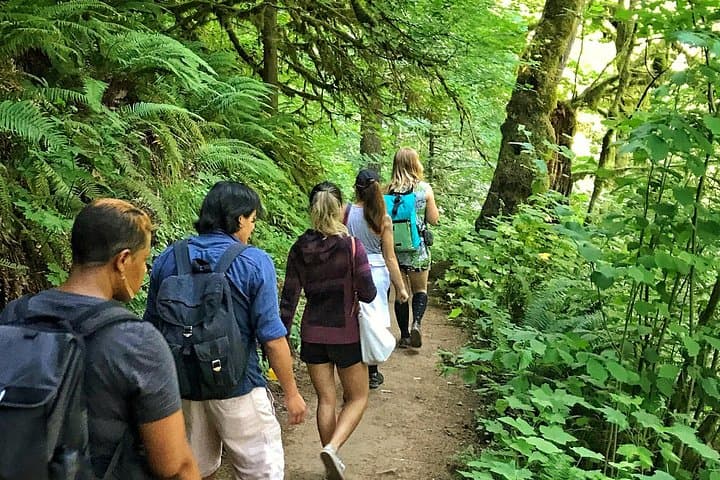
Lose the city for a few hours without leaving it: this 5-mile, 900-foot-gain Forest Park loop threads old-growth pockets, city viewpoints, and cultural landmarks for a compact taste of Portland’s wild side. Expect moss, roots, and stories.