
What the day feels like
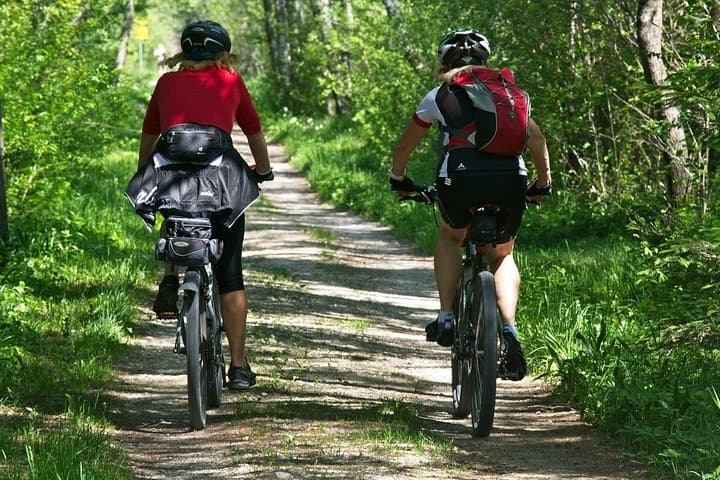
Morning slides in soft over the Tuscan Apennines, and the forest answers. Leaves lift and settle like a slow-breathing animal. At the Acquerino Nature Reserve Visitor Center, helmets click shut and tires hum as the group rolls from gravel to duff, from open light to green quiet. The beech trees are old here—shoulders broad, bark smooth as river stones—and they seem to step aside, one by one, as the trail pulls you deeper into the hills.
This ride keeps a steady rhythm. It threads dirt roads and woodland paths, lacing meadow to meadow, with short pitches that warm the legs and shaded descents that cool them again. The Apennines don’t loom; they persuade. Roots ask for attention, corners reward patience, and the forest—never in a hurry—sets the pace. Every so often, a hoofprint scallops the mud. Roe deer watch from the margins like quiet locals. When the breeze moves, the canopy murmurs, urging you forward.
Acquerino sits in the northern arc of Tuscany, where the last terraces of olive and chestnut swing up into the spine of Italy. These slopes were shaped by slow collision and lift, the geology setting the stage for a culture of woodcutters, shepherds, and charcoal burners. You’ll still notice the dark, flat platforms tucked off-trail—old charcoal hearths that once kept furnaces fed. In the 20th century, these woods offered cover for partisan fighters; in the hush, you can imagine the urgency of footsteps and signals passed tree to tree. Today, the reserve protects a network of streams, beech stands, and wildlife corridors that stitch Tuscany to Emilia-Romagna just over the crest.
Expect a mix of firm dirt roads with occasional rocky patches, plus stretches of forest singletrack softened by leaf litter. This isn’t a stunt rider’s course so much as a cross‑country sampler with a few root gardens to keep you honest. Over several hours in the saddle, the terrain climbs and falls in broad swells—the kind that train you to change gears by feel. Elevation adds up, but the gradients are fair; riders with solid fitness and basic mountain bike handling will settle into it.
By late morning the trees give way to open grass. The meadow spreads like a tablecloth at the edge of a farmhouse, beech boughs casting calm shade. Lunch happens here, either pulled from your pack or plated from the kitchen next door, where traditional recipes and farm-made cheeses make a convincing case for lingering. A bite of ricotta—fresh, faintly sweet—goes down easier after the last climb. Then the forest gestures again. The trail loops back, cool and familiar now, and the ride closes its circle at the Visitor Center.
This is a quiet adventure with texture. You feel it in the tire’s grip on damp soil, in the smooth roll of a dirt lane that used to be a mule track, in the way the light thickens under beech or brightens over grass. The streams of the Limentra system whisper under small bridges; they don’t hurry either, but they keep going. Wildlife lives by the same rules. Deer habitually browse the edges. Wild boar leave their careful, plowed signatures in the mud. If you look up where the trees break, you might catch a buzzard circling, reading the slope like a map.
Local guides typically start with a bike briefing at the Visitor Center—how the day unfolds, how to share the trail, how to use the equipment well. It’s straightforward and welcome, especially if you’re shaking off city legs. From there, the reserve gives you an uncomplicated kind of variety: fire road tempo to let conversations start, then narrower sections where everyone falls into single file, listening for the whirr of hubs and the rustle of leaves. The forest asks for focus but pays back with momentum; when you give it a clean line, it returns a clean ride.
Planning is simple. Base yourself in nearby Pistoia or Prato; Florence is in easy reach as well. Spring and fall bring the most comfortable temperatures, with wildflowers or copper light on the leaves. Summer rides start earlier to beat the heat. Winter can be quiet and moody—rideable on firm days—but expect slick roots and cold stream air that sinks into hollows. Hydration and layering matter year-round. A lightweight shell disappears in your pack until a ridge breathes a change in the weather. Gloves smooth the chatter; eye protection keeps stray branches from proofreading your line choice.
What surprises most riders here is how the day balances. You get movement, history you can see, and food that tastes like the hillside it came from. The forest keeps its voice low but sure. Trails don’t shout; they suggest. The beech stand at attention, understated and enduring, and the ride meets you wherever you are—ambitious beginner, returning rider, seasoned traveler looking for a local line through the trees. Tuscany’s art is famous for light. Out here, it’s the shade that teaches you how to look.
If you’re hunting for numbers, you’ll find less precision and more pattern: expect several hours in the saddle, a rolling mix of surfaces, and a few hundred meters of cumulative climbing depending on the exact loop. The thrill isn’t in a summit snapshot; it’s in the cadence that the reserve sets and the way your body matches it, steady and content. When the bikes are racked and helmets unbuckled, there’s ricotta to finish and road curves back to town. The forest doesn’t chase you. It just lets you know you’re welcome to return, and next time, it will remember your tires.
Trail wisdom
Small choices, better day.
Dial in tire pressure
Lower pressures improve grip on leaf litter and roots; aim for a supple feel without rim strikes and bring a mini-pump for tweaks.
Hydrate early, refill smart
Carry at least 1.5–2L of water; streams are picturesque but not for drinking—refill at the Visitor Center or farmhouse if available.
Mind the roots in shade
Beech canopies keep sections damp and slick even after sun—feather brakes before obstacles, then release to roll clean.
Plan for the farmhouse lunch
If you want to eat on-site, confirm opening hours and bring cash; otherwise pack a compact picnic for the meadow.
Local knowledge
Read the place, not just the route.
Watch for native species including Roe deer, Wild boar.
Keep an eye out for wildlife during the transition between areas and habitats. Respect distance guidelines.
The reserve protects a vital wildlife corridor between Tuscany and Emilia‑Romagna; stay on marked trails and give animals space, especially at dawn and dusk.
Follow the guide's instructions on size limits, ethical handling, and leave-no-trace practices.
Old charcoal terraces just off the main track—flat, dark pads that speak to the forest’s working past. Clear pools along small Limentra tributaries—a cool spot to rinse dust from gloves
Locally recommended viewpoints and quiet spots known best to local operators.
These woods once hosted charcoal burners and later offered cover to WWII partisans moving between villages on mule tracks.
Maritime roots and regional tradition shape the waterways and working coasts.
Seasonal guide
Four versions of the same landscape.
Spring
Best forWildflowers in meadows · Cool temperatures for climbing
ChallengesMud on shaded sections · Changeable mountain weather
Fresh growth and stable temps make for energetic riding; pack a light shell for passing showers.
Summer
Best forLong daylight windows · Dry trails
ChallengesMidday heat · Busy weekends
Start early to beat the heat and enjoy cooler forest air; trails dry quickly but bring extra water.
Fall
Best forGolden beech canopies · Crisp, stable conditions
ChallengesLeaf‑covered roots · Shorter daylight
Prime riding with tacky dirt and glowing colors; watch for hidden obstacles under leaf fall.
Winter
Best forQuiet forests · Firm ground on frosty mornings
ChallengesCold stream valleys · Icy patches and limited services
Pick clear days, dress in layers, and expect slick roots where shade lingers.
Operator details
What the booking data adds.
Included
- ✓Expert environmental guide
Not included
- —MTB and e-Bike rental at discounted prices
- —Lunch at a refuge or farmhouse with high quality traditional products at km0 and local wine with 10% discount
Good to know
- ✓Not recommended for travelers with spinal injuries
- ✓Not recommended for pregnant travelers
- ✓Not recommended for travelers with poor cardiovascular health
- ✓Travelers should have at least a moderate level of physical fitness
- ✓Minimum capacity required for pedaling on dirt roads.
Pack with intention
What to bring.
Good to know
Common questions.
Guided outings here typically provide mountain bikes and helmets; confirm availability and your frame size with the operator when booking.
Plan the edges
The details that make the day easier.
Wolves naturally recolonized the Apennines in recent decades after near-extirpation mid‑century; they’re occasionally heard at night in remote sections of the Tuscan-Emilian range.
Refuel in Pistoia’s historic center: order tortelli di patate or wild boar ragù and finish with a slice of castagnaccio, the local chestnut cake. For something casual, try schiacciata sandwiches with pecorino and honey. Craft beer bars and gelaterie around Piazza del Duomo make an easy post‑ride stroll.
- Closest airport
- Florence (FLR). Trailhead: Visitor Center, Acquerino Nature Reserve. Drive time: ~50–70 minutes from Pistoia or Prato depending on road and weather. Cell service: Spotty to none inside the forest—download details in advance. Permits: No day-use permit needed; follow reserve regulations and any guide instructions.
Ride only on signed tracks to prevent trail braid and erosion. Pack out all waste, minimize skidding on descents, and give wildlife the right of way—this reserve functions as an essential movement corridor.
Explore by topic
Follow the threads.
Keep exploring
Make the story part of the trip.
Set out from Bass Harbor for a private, customizable day on Blue Hill Bay — lighthouses, puffins, seals, and the chance to feel Acadia from the water. Small groups, local captains, unforgettable views.
In four hours you can move from shaded canyon ferns to wind-scoured coastal ridgelines, guided by someone who knows where the light—and the hidden views—live. This private half-day hike on the Monterey Peninsula or Big Sur is compact, curated, and perfect for travelers who want depth without a multiday commitment.
 Related story
Beneath a sky of shifting light, Skaftafell’s ice reads like a map of time. This three-hour guided glacier hike mixes technical instruction with geology and culture: compact, safe, and unforgettable.