
What the day feels like
By the time your UTV crests the last ridge and the valley falls open beneath you, the air feels different—cooler, layered with damp earth and the green breath of cloud forest. The machine hums, tires spitting gravel, and below, El Valle de Antón spreads in a bowl of farms, forest, and rags of mist. For five hours this is your terrain: a crater gone quiet, its edges softened by centuries of rain and by people who have always made a home here.
You start the day in a small convoy, helmets on, as the guide steers you toward Chorro Macho. The walk to the waterfall is short—think 10–20 minutes along roots and slick basalt—yet immediate: water that has been thinking its way down the mountain for millennia now hurls itself over a ledge, daring you to stand close and feel the spray stitch your jacket. The trees lean in as if eavesdropping, orchids and bromeliads living in the crooks of trunks like birds nesting in pockets of moss. Nature here is not gentle, it's insistent; the forest pushes back and invites you deeper.
Later you crash into a different kind of hush at El Nispero, the valley’s small zoo and botanical garden. It’s a compact window into Panama’s biodiversity—toucans, quetzal echoes in the canopy, and illustrative plantings that tell the story of the crater’s soil: volcanic, rich, and generous. Guides point out endemic species and explain the long relationship between people and place—farmers who plant coffee along the crater’s slopes, craft vendors who work with local seeds and fibers.
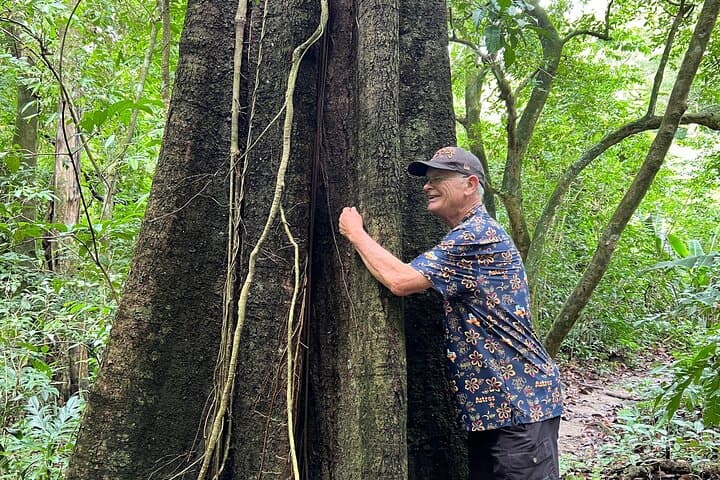
The Square Tree Trail is the trip’s curious highlight. Here a curious natural phenomenon—square cross-sections in the buttressed roots of old trees—becomes a conversation about geology and the strange ways life adapts to volcanic soil and heavy rainfall. You end the ride at Cerro La Cruz, a low climb for wide, unguarded views that feel cinematic: patchwork farms, the town’s red roofs, and the rim of the crater dissolving into cloud forest. The ride’s final stop is the craft market, where woven hammocks, carved wood, and local preserves are as much a souvenir as a way to understand local labor and taste.
Geology and history are inseparable here. El Valle sits in the caldera of an extinct volcano whose last major eruptions shaped the basin you drive through today. The crater is one of the largest inhabited volcanic depressions in the world, and its soils—the legacy of basalt and ash—support a surprising diversity of plants and microclimates. Culturally, the valley has long been a crossing point: indigenous groups, Spanish colonial routes, and modern Panamanian agricultural communities have all left traces. The craft market and small farms you pass are contemporary threads in that continuing story.
Why take this tour? Because it compresses a lot into a half-day: a live forest encounter, a waterfall walk, a curated look at native plants and animals, geological context, and a social stop that connects you to the people who actually live in the crater. It’s a useful trip for travelers who want both motion and context—less a marathon hike and more a mobile immersion, with photographic vantage points that reward a short walk.
Practicalities matter. The tour runs 3–4 hours and is rated accessible for most fit travelers; walking segments are short but often on uneven, wet surfaces. Expect mild elevation—El Valle sits around 600–700 meters (1,900–2,300 feet) above sea level—so the climbs to viewpoints are short but can be breathy if you’re not acclimated. Weather is the wild card: mornings are often misty and cool, afternoons can turn to sudden downpours. Your guide will manage the route and the UTVs; still, wear closed-toe shoes with grip, bring a lightweight rain shell, and keep a compact packet of tissues and hand sanitizer for stopovers at the market.
Safety and etiquette are simple. Stay strapped into the UTV, follow your guide’s instructions on rough stretches, and treat wildlife and plants with distance—no feeding, no harvesting. Locals welcome respectful visits; haggling at the craft stalls is normal but keep it friendly. For photographers: wide-angle shots at Cerro La Cruz capture the scale; a fast lens is useful near the waterfall to isolate spray and motion against moss.
This is not an expedition; it’s an efficient, physically accessible way to connect to a crater landscape that contains both wild weather and human warmth. If your travel style favors varied tempo—short hikes, guided interpretation, and local culture—the Valley of Antón UTV tour delivers an afternoon’s worth of stories and scenes you’ll replay on longer trips in Panama.
Book in the dry months if possible. Arrive with a sense of curiosity, a basic level of fitness, and a willingness to slow down at the market. The valley has an old patience—rocks that have cooled from molten fury—but it still likes to remind you, in the rush of a waterfall or the sudden bloom of orchids, that this is a living place.
Trail wisdom
Small choices, better day.
Bring a compact rain shell
Weather changes quickly in the crater—lightweight waterproof layers keep you comfortable during sudden downpours.
Closed-toe grip shoes
Short hikes include wet rock and muddy trails; shoes with traction protect ankles and prevent slips.
Pack a small day bag
Carry water, insect repellent, and your camera—UTV storage is limited and stops are brief.
Respect wildlife and vendors
No feeding animals and be courteous when photographing people or buying crafts—supporting local makers matters.
Local knowledge
Read the place, not just the route.
Watch for native species including Toucan, Quetzal (occasionally).
Keep an eye out for wildlife during the transition between areas and habitats. Respect distance guidelines.
Local organizations and El Nispero work to protect native species and educate visitors—stay on trails, avoid feeding wildlife, and choose locally run operators.
Follow the guide's instructions on size limits, ethical handling, and leave-no-trace practices.
Early-morning birdwatching near El Nispero for quiet wildlife sightings. A quiet viewpoint along the crater rim away from Cerro La Cruz where locals picnic
Locally recommended viewpoints and quiet spots known best to local operators.
El Valle sits in the caldera of an extinct volcano; the town and surrounding farms developed on these fertile volcanic soils over centuries.
Maritime roots and regional tradition shape the waterways and working coasts.
Seasonal guide
Four versions of the same landscape.
Spring
Best forWildflowers · Cool mornings
ChallengesUnpredictable rain showers · Muddy trails after storms
Spring (dry-to-wet transition) offers lush vegetation and pleasant mornings, though afternoon showers become more common.
Summer
Best forDense forest greenery · Fewer crowds
ChallengesHeavier rainfall and slick trails · Lower visibility in clouds
Summer brings full vegetation and dramatic waterfalls, but expect frequent downpours and muddy trail conditions.
Fall
Best forClear vistas · Craft market browsing
ChallengesCooler mornings with fog · Insects more active after rains
Fall gives clearer air and great views from Cerro La Cruz, with market life picking up as the weather stabilizes.
Winter
Best forDry trails · Best visibility
ChallengesCooler temperatures early/late · Higher tourist numbers in peak dry months
Winter corresponds to Panama’s dry season—excellent visibility and easier trail footing, but more visitors in popular spots.
Operator details
What the booking data adds.
Included
- ✓Bottled water
- ✓Transportation UTV vehicle
Not included
- —Does not include meals
Good to know
- ✓Service animals allowed
- ✓Public transportation options are available nearby
- ✓Specialized infant seats are available
- ✓Travelers should have at least a moderate level of physical fitness
Pack with intention
What to bring.
Good to know
Common questions.
The experience runs approximately 3–4 hours and covers short walks, viewpoints, and market stops.
Plan the edges
The details that make the day easier.
El Valle de Antón occupies the floor of an extinct volcanic crater and is one of the largest inhabited volcanic calderas in the world.
After the tour, wander the craft market and sample locally raised trout or fresh fruit at a small cafe; purchase handmade hammocks and wooden crafts to support local artisans and get a taste of valley life.
- Closest airport
- Tocumen International Airport (PTY). Driving distance: ~90–120 km
- 2–2.5 hours from Panama City. Cell service
- Good in town, patchy on forested trails. Permits: No permits required for this tour; follow operator guidelines.
Respect the valley’s ecosystems by staying on trails, not feeding wildlife, and buying from local vendors to support sustainable livelihoods.
Explore by topic
Follow the threads.
Keep exploring
Make the story part of the trip.
Set out from Bass Harbor for a private, customizable day on Blue Hill Bay — lighthouses, puffins, seals, and the chance to feel Acadia from the water. Small groups, local captains, unforgettable views.
In four hours you can move from shaded canyon ferns to wind-scoured coastal ridgelines, guided by someone who knows where the light—and the hidden views—live. This private half-day hike on the Monterey Peninsula or Big Sur is compact, curated, and perfect for travelers who want depth without a multiday commitment.
 Related story
Beneath a sky of shifting light, Skaftafell’s ice reads like a map of time. This three-hour guided glacier hike mixes technical instruction with geology and culture: compact, safe, and unforgettable.