
What the day feels like
The ferry noses past Beaufort’s waterfront and into the green shimmer of Back Sound, skimming a corridor of wind and tide. Laughing gulls escort the bow like old friends. The current shoulders you forward as if the island itself is calling. Fifteen minutes later, sand rises from the horizon—Shackleford Banks, first a mirage, then a living, shifting line of dune and sea oat. The engine idles. Salt air climbs the deck and the breeze starts talking—bring water, respect the sun, walk softly. Then you’re stepping into ankle-deep surf, with wet sand pressing cool and firm underfoot and a guide quietly scanning the horizon for what everyone has come to see.
On Shackleford, sometimes the horses show themselves quickly. Their dun coats flicker behind sea oats; a tail flashes; a foal presses close to its dam. Sometimes they stay coy, letting the wind write their presence in the grass before a herd finally steps into view. You’ll walk up to two miles across firm beach and soft dunes, learning to read the island’s mood—how wind stacks shells into drifts, how the tide edits the shoreline twice a day, how the horses move to find fresh water and shade. The wild herd here is one of the last isolated groups of free-ranging horses in the United States, and their survival on this narrow barrier island has become legend. Many believe their ancestors swam ashore from shipwrecks centuries ago; either way, they’ve adapted with a toughness that the Banks demand.
This three-hour outing blends the romance of discovery with practical, boots-on-sand exploring. After the brief ferry ride to Cape Lookout National Seashore’s least-developed strand, your guide leads a deliberate track, teaching you to spot fresh prints, recognize browsing patterns, and understand safe viewing distances—at least 50 feet from the animals at all times. When you finally see a band crest a dune with the Atlantic glittering beyond, the moment lands quiet and sure. The horses don’t ask for attention; they command it, then drift on as you stand still, the surf doing the talking.
Between sightings, Shackleford performs its other magic: world-class shelling. The island’s position—pinched between Beaufort Inlet and Cape Lookout—funnels currents that sift and sort sand like a patient jeweler. Conchs and whelks, scallops and moon snails collect in windrows along the high-tide line. Storms often reset the display overnight, especially in shoulder seasons. Empty shells are fair game; any with living creatures go back to the sea. It’s an unhurried search, a treasure hunt where the ocean hides and reveals on her own terms.
The geology reads like a textbook in motion. Shackleford Banks is a barrier island, a low-slung, migratory strip built by wind and waves. Dunes shift. Inlets open and close. The island rearranges itself to dissipate storm energy—a natural defense that has protected North Carolina’s Crystal Coast communities for generations. Culture here bends with the breeze: watermen, boatbuilders, and storytellers shaped by the same forces that usher shells to shore and keep these horses hardy.
A guided safari helps you move thoughtfully in a place that asks for it. There are no bathrooms on the island, no shade pavilions, no concession stands. You carry what you need and you pack out what you bring in. Your guide sets a steady pace and keeps an eye on tide and weather. If conditions allow, you might visit a quiet bight on the sound side, where wind slackens and egrets stitch the shoreline. On another day, surf booms and pelicans ride the lift off the dunes. Nature sets the itinerary; you learn to follow.
What to expect and how to plan? Think simple, smart, and sun-aware. Closed-toe sandals or water shoes keep shells from nipping your toes. A brimmed hat and high-SPF sunscreen are nonnegotiable in summer. Bring a reusable bottle—two if it’s hot—and lightweight layers that can block wind or calm the midday burn. In buggy months, a dash of repellent keeps focus on horses and shells instead of mosquitoes. And tuck a soft bag for your shell finds.
For families, this is an easy entry into true wildness: a short boat ride, an island that feels remote yet approachable, and captivating wildlife that engages kids and adults alike. It’s also a photographer’s dream. Early and late light makes the horses’ manes glow; midday, dunes throw graphic shadows that frame shells with pleasing simplicity. A 200mm lens gives respectful reach; a phone camera, used with steady hands and clean horizons, can capture the essence in a single honest frame.
Most travelers base in Beaufort or Morehead City, where waterfront inns and seafood joints make post-adventure life deliciously simple. From there, the ferry ride is a blink and the island a world apart. Book a spot on the Shackleford Banks Wild Horse and Shelling Safari, then let the place do the rest. When the boat returns and civilization hums back on, you’ll feel sand in your shoes and hear the echo of hoofbeats stitched into the wind—a subtle reminder that wildness still lives just off the dock.
Ready to plan? Start with this expert guide to the area and how to see the Shackleford Banks wild horses on a guided shelling adventure: <a href="https://app.advcollective.com/local-experts/explore-shackleford-banks-wild-horses-coastal-shelling-north-carolina" target="_blank">Explore Shackleford Banks Wild Horses & Coastal Shelling</a>. For more context on the experience and booking tips, you can also reference our local overview of the <a href="https://app.advcollective.com/local-experts/explore-shackleford-banks-wild-horses-coastal-shelling-north-carolina" target="_blank">Shackleford Banks wild horse and shelling safari in North Carolina</a>.
Trail wisdom
Small choices, better day.
Give Horses Space
Stay at least 50 feet away from all horses. Use a zoom lens rather than approaching for photos.
Footwear That Can Get Wet
Closed-toe sandals or water shoes protect against sharp shells and make surf landings comfortable.
Hydrate and Shade Up
There’s no shade infrastructure on the island—pack two bottles of water in summer and wear a brimmed hat.
Mind the Tides
Shelling improves around lower tides and recent storms. Check tide charts and follow guide instructions.
Local knowledge
Read the place, not just the route.
Watch for native species including Bottlenose dolphins, Brown pelicans.
Keep an eye out for wildlife during the transition between areas and habitats. Respect distance guidelines.
Stay off fragile dunes, give all wildlife generous space, and pack out everything you bring. Your choices help protect habitat in Cape Lookout National Seashore.
Follow the guide's instructions on size limits, ethical handling, and leave-no-trace practices.
Quieter shell lines along the sound side after a strong northwest wind. A tucked-away dune swale where egrets and ibis forage near low tide
Locally recommended viewpoints and quiet spots known best to local operators.
Shackleford’s horse herd is believed to descend from early colonial or shipwrecked stock, and today is managed in partnership with the National Park Service to maintain a healthy, sustainable population.
Maritime roots and regional tradition shape the waterways and working coasts.
Seasonal guide
Four versions of the same landscape.
Spring
Best forMild temperatures · Active wildlife viewing
ChallengesWindy days · Unpredictable showers
Wildflowers dot the dunes and horses graze openly. Cooler air makes walking on sand more comfortable, though breezes can be brisk.
Summer
Best forFamily trips · Warm-water wading
ChallengesHeat and humidity · Mosquitoes and biting flies
Prime beach weather and consistent ferries. Start early, hydrate often, and bring sun and bug protection for the midday intensity.
Fall
Best forPeak shelling · Golden light photography
ChallengesOccasional storms · Shorter daylight
Storm-driven surf reveals excellent shells and horses are active in cooler air. A sweet spot for fewer crowds and standout images.
Winter
Best forSolitude · Crisp visibility
ChallengesCold wind · Limited tour schedules
Empty beaches and clear air offer quiet encounters, but dress warmly and check tour availability before you go.
Pack with intention
What to bring.
Good to know
Common questions.
The experience lasts about 3 hours, including a 15-minute ferry each way and up to 2 miles of walking on sand to view horses and explore shelling areas.
Plan the edges
The details that make the day easier.
The Shackleford Banks wild horse population is typically managed between 110–130 animals to protect both the herd and the island’s ecology, a program coordinated with the National Park Service.
Post-safari, stroll Beaufort’s Front Street boardwalk for fresh local seafood and hushpuppies, or grab a craft beer at a waterfront spot and watch shrimp boats slide in at dusk. If you have time, pop into a maritime museum for context on the shipwrecks that shaped this coast.
- Closest airport
- EWN (New Bern) ~45–60 minutes; OAJ (Jacksonville) ~1.25 hours. Departure: Ferry launches from Beaufort area to Shackleford Banks. Driving: 5–15 minutes from most Beaufort
- Morehead City stays. Cell service
- Spotty on the island; download essentials. Permits: No permit required for the guided tour; follow NPS rules for wildlife and shell collection.
Shackleford Banks is part of Cape Lookout National Seashore—pack out all trash, avoid stepping on dune vegetation, and maintain a minimum 50-foot distance from horses to reduce stress and preserve natural behaviors.
Explore by topic
Follow the threads.
Keep exploring
Make the story part of the trip.
In four hours you can move from shaded canyon ferns to wind-scoured coastal ridgelines, guided by someone who knows where the light—and the hidden views—live. This private half-day hike on the Monterey Peninsula or Big Sur is compact, curated, and perfect for travelers who want depth without a multiday commitment.
 Related story
Beneath a sky of shifting light, Skaftafell’s ice reads like a map of time. This three-hour guided glacier hike mixes technical instruction with geology and culture: compact, safe, and unforgettable.
 Related story
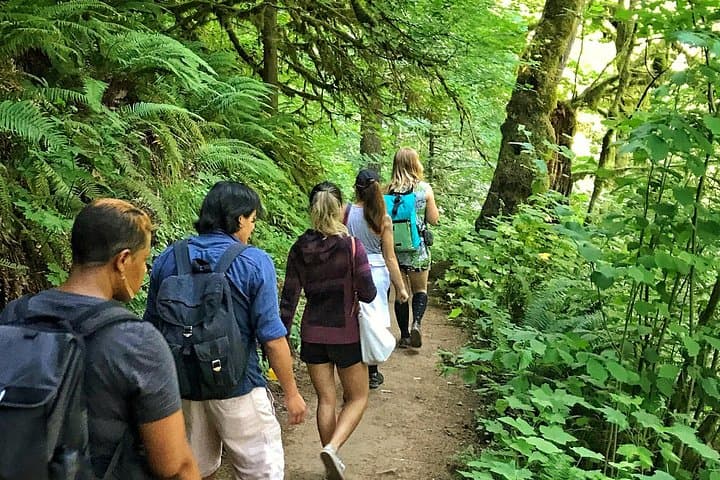
Lose the city for a few hours without leaving it: this 5-mile, 900-foot-gain Forest Park loop threads old-growth pockets, city viewpoints, and cultural landmarks for a compact taste of Portland’s wild side. Expect moss, roots, and stories.