
What the day feels like
The first light on the water feels like an invitation. Dawn slides across the river in a thin, silver hand; the hull hums as the guide eases the boat into a quiet channel where you can already see the wake of a largemouth bass breaking the surface. Around you, the city’s sound is still distant—traffic subdued, music yet to creep out of honky-tonks. For four hours you’re not just on a charter: you’re part of a small, focused competition where every cast counts and every call from the bow draws a half-second of group calculation.
Tournament-style fishing in Nashville strips the experience down to its kinetic essentials: skill, strategy, and the humbling unpredictability of the water. These guided events—whether you book a private bracket for your group or join a public match—put teams in their own boats with a professional captain, tackle provided, and the kind of organized, friendly rivalry that transforms an outing into an event. If the idea of a fishing tournament sounds intimidating, think of it as a team-building exercise on waves: equal parts camaraderie and concentration, with prizes and bragging rights as the friendly stakes.
This format is rooted in the region’s deep bass-fishing culture. Tennessee’s lakes and the Cumberland River system are fertile ground for competitive angling: ocean-sized rivers funnel smaller tributaries, creating structures and current seams where fish stack. Many tournaments here focus on largemouth and spotted bass, and guides bring local knowledge—seasonal movement patterns, preferred baits, and where the fish tend to stage during early morning or late afternoon windows. The boats are workmanlike: roomy, stable, and fitted with livewells and fish-finding electronics. The captains are part navigator, part tactician, and part teacher. They’ll show you how to read a line, where to cast, and how to turn a near-miss into a decisive hookset.
The geology of the area matters. Reservoirs like Percy Priest and tributaries carved into rolling limestone landscape create ledges, brush piles, and shallow flats that give structure to fish populations. That structure is what tournament anglers learn to read fast: a gradual break, a flooded tree, or a submerged channel can mean the difference between no bites and a stringer of keeper fish. And culturally, this is Nashville—so expect music onshore and a post-match energy that blends sportsmanship with Southern hospitality.
For travelers, the appeal is threefold: it’s social, it’s competitive, and it’s accessible. Kids fish free on these trips, and gear is supplied, so you don’t need to arrive with a tackle locker. Captain-led teams democratize knowledge—novices learn technique while more experienced anglers refine strategy. Book a private tournament for a bachelor party, family reunion, or corporate group, or sign up for a public match if you want to pit your crew against another group for a little friendly noise.
Practicalities matter. The standard outing runs four hours, typically in the morning when fish are most active. All rods, reels, bait, and tackle are furnished, and boats come with coolers and ice. Weather rules are strict—cancellations for severe weather are handled with reschedule credit—so plan windows rather than fixed dates for large groups. Tennessee requires a valid fishing license for most anglers; check whether youth exemptions apply.
On the water, small choices make big differences. Hydrate before launch, wear layered sun protection, and bring a light jacket; wind off the lake can cut through a tee shirt. Listen to the captain’s briefing—boat safety, handling the net, and rules for weighing and measuring fish are enforced to keep things fair. If you’re competitive, ask about format (biggest bass, cumulative length, species rules) and whether tiebreakers are penalty-based or sudden-death cast-offs.
If you want to get more than a single tournament out of your trip, pair it with local culture. After the weigh-in, drive back into town for hot chicken, a cold craft beer, and a playlist of live music. The tournament is the day’s spine; the rest of Nashville is the connective tissue.
Ready to join a next-level day on the water? Learn more and book a spot with the local specialists here: <a href="https://app.advcollective.com/local-experts/tournament-style-fishing-charter">Tournament Style Fishing Charter</a>. Whether you’re organizing a large private bracket or signing up for a public match to test your crew against other anglers, the format is designed to be inclusive, exciting, and efficient. For a more detailed look at event logistics and to secure a date, visit the charter page: <a href="https://app.advcollective.com/local-experts/tournament-style-fishing-charter">book a tournament</a>. If you’re scouting for tips before you step aboard, the guide page is also a useful resource: <a href="https://app.advcollective.com/local-experts/tournament-style-fishing-charter">learn more about tournament-style fishing</a>.
The river will test you—currents that push and pull, sun that shifts motivation, fish that tempt you with a flash. But that’s the point. Tournament fishing here isn’t about perfect outcomes; it’s about being squeezed into a small window where instincts, rigging, and local smarts collide. In four hours you’ll learn more about reading water and teamwork than many trips teach in a weekend. You’ll leave with photographs, maybe a prize, and a new appreciation for the way Nashville’s waterways demand respect—and, occasionally, deliver delight.
Trail wisdom
Small choices, better day.
Book Morning Slots
Fish are most active at first light—reserve early-morning departures for the best bite windows.
Wear Sun Layers
A lightweight long-sleeve, wide-brim hat, and polarized sunglasses protect you from glare and sunburn.
Bring Motion-Sickness Remedies
Even calm lakes can rock; take precautions if you’re prone to seasickness.
Respect the Weigh-In
Handle fish quickly and follow captain instructions to ensure fair, humane weighing.
Local knowledge
Read the place, not just the route.
Watch for native species including Largemouth bass, Great blue heron.
Keep an eye out for wildlife during the transition between areas and habitats. Respect distance guidelines.
Programs encourage catch-and-release and the use of non-lead tackle; clean, drain, and dry boats between water bodies to stop invasive species spread.
Follow the guide's instructions on size limits, ethical handling, and leave-no-trace practices.
Early-morning backchannels away from main boat traffic. Shallow flooded timber areas that light up during pre-spawn
Locally recommended viewpoints and quiet spots known best to local operators.
Many Nashville tournaments use reservoirs like Percy Priest, created by mid-20th-century dam projects that reshaped local waterways and recreational access.
Maritime roots and regional tradition shape the waterways and working coasts.
Seasonal guide
Four versions of the same landscape.
Spring
Best forPre-spawn bass action · Cooler mornings · Family-friendly bookings
ChallengesUnpredictable weather · Windier lake conditions
Spring offers aggressive bass as fish move toward shallow spawning areas—great action but variable conditions.
Summer
Best forStable warm weather · Evening bite opportunities · Longer daylight
ChallengesMidday heat · Higher boat traffic
Summer brings steady warm-water fishing; plan for sun protection and target early or late hours.
Fall
Best forCooling waters and active fish · Scenic foliage · Good tournament conditions
ChallengesShorter days · Cooler mornings
Fall is excellent for structure fishing as bass feed aggressively ahead of winter—often the most consistent tournament season.
Winter
Best forTargeting deeper-holding fish · Smaller crowds · Practice casting and skills
ChallengesColder air and water · Short daylight windows
Winter fishing is quieter and tactical; expect deeper water presentations and brisk launches.
Pack with intention
What to bring.
Good to know
Common questions.
All rods, reels, bait, and tackle are furnished, but you’re welcome to bring personal gear if you prefer.
Plan the edges
The details that make the day easier.
Percy Priest Lake, a common site for Nashville tournaments, was formed by the J. Percy Priest Dam completed in 1968 and is managed by the U.S. Army Corps of Engineers.
After the weigh-in, head to Nashville for hot chicken at Hattie B’s, grab a local brew at TailGate Brewery or Bearded Iris, and catch live music downtown—fish stories pair well with cold beer and good food.
- Closest airport
- Nashville International Airport (BNA)
- Typical drive to popular launch areas
- 20–40 minutes
- Cell service
- Generally good near launch ramps, but limited on some channels
- Permits
- Tennessee fishing license usually required
Practice catch-and-release when possible, use non-lead weights to protect wildlife, and clean boats and gear between water bodies to prevent invasive species transfer.
Explore by topic
Follow the threads.
Keep exploring
Make the story part of the trip.
In four hours you can move from shaded canyon ferns to wind-scoured coastal ridgelines, guided by someone who knows where the light—and the hidden views—live. This private half-day hike on the Monterey Peninsula or Big Sur is compact, curated, and perfect for travelers who want depth without a multiday commitment.
 Related story
Beneath a sky of shifting light, Skaftafell’s ice reads like a map of time. This three-hour guided glacier hike mixes technical instruction with geology and culture: compact, safe, and unforgettable.
 Related story
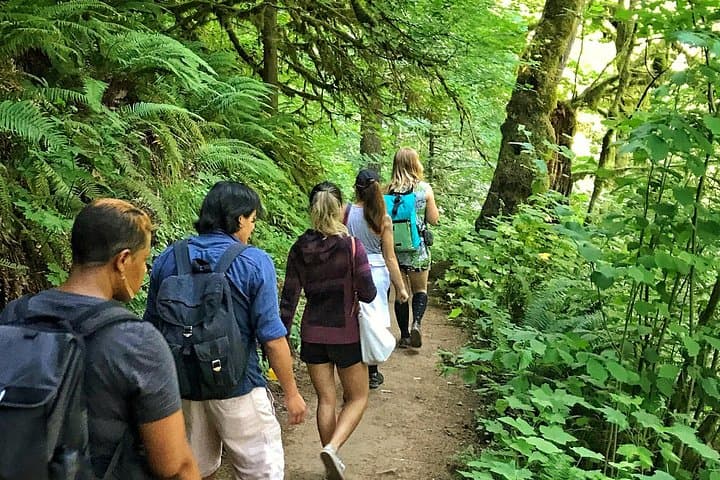
Lose the city for a few hours without leaving it: this 5-mile, 900-foot-gain Forest Park loop threads old-growth pockets, city viewpoints, and cultural landmarks for a compact taste of Portland’s wild side. Expect moss, roots, and stories.