
What the day feels like
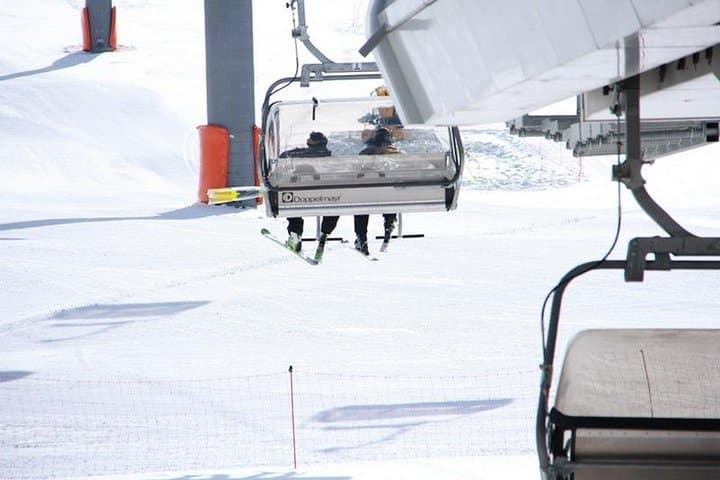
You arrive from the lowlands and the change is immediate: the air sharpens, the road climbs, and a distant ridge unwraps like a folded map. By mid-morning the highway gives way to switchbacks and stone villages; by noon you’re standing where granite and sky meet, watching cable cars hang like quiet punctuation between two ridgelines. This is Shahdag—Azerbaijan’s northern mountain theatre—and the Shahdag Adventure Tour is a single-day ticket to its best elements: sweeping panoramas, compact highland culture, and trails that reward steady legs rather than summit-obsessed lungs.
The tour is pragmatic in its promise. In roughly 11 hours (the operator lists a 660-minute itinerary) you’ll travel from Baku’s low-slung bustle into the Greater Caucasus’ alpine zones, sample village life and waterfalls, ride a mountain lift, and walk trails that slope through wildflower meadows and dwarf pines. There’s an immediacy to the route: it’s not a technical climb, but the festival of landscape feels earned because of the steady upward movement—the ascent that causes horizons to expand and the human presence to recede.
Geology and history are literal here. The Greater Caucasus formed as the Arabian and Eurasian plates collided, thrusting crystalline rock skyward in long, serrated teeth. Shahdag’s slopes are mostly ancient metamorphic and igneous rock, worn into gullies and scree by glacial action in the last Ice Age. That same glacial molding left behind meadows and cirques that now host sheep and stacked stone homes. The region’s human history is layered: mountain villages like Laza have been seasonal shepherding bases for centuries, with cultural practices—herding rhythms, stone architecture, mountain cheese—that reflect a life keyed to altitude and season.
Culture tastes simple and honest up here. Lunch typically centers on piti, Azerbaijan’s slow-cooked lamb stew served in clay; in mountain cafes you’ll find fresh flatbread from tandir ovens and herbal teas brewed from mountain thyme. Conversations turn easily to weather, past winters, the best grazing slopes—practical lore that doubles as orientation for visitors. Locals will point out the routes they took as children, and, if you’re curious, where the wild tulips still gather in late spring.
Why should you do a day tour rather than a DIY? For many travelers, the appeal is layered: logistical smoothing (someone else handles mountain roads, timing, and lift tickets), local insight (guides introduce you to discreet vantage points and authentic village cuisine), and safety in variable mountain weather. For photographers and hikers who want panoramic return on investment without committing to multi-day trekking logistics, Shahdag is an efficient answer.
Practical terrain note: expect dirt tracks, paved access roads, and well-maintained hiking paths that can be steep in short sections. Altitude gain is gradual across the day; you’ll feel the oxygen thin slightly as you push above 1,800–2,000 meters on some lifts and lookouts. Footing can be loose where shepherds’ tracks branch from marked trails, so footwear with firm soles is important.
Timing matters. The clearest light is early and late—sunrise and late afternoon carve the ridges into cinematic relief—while midday often brings high-elevation clouds that can obscure distant views but also create dramatic weather scenes. In summer, morning fog lifts to reveal meadows; in fall, larch and birch turn the slopes to gold.
The tour’s price point and structure make Sierra-like accessibility part of its charm: a day investment brings mountain air, cable-car drama, and village food without the heavyweight gear list of mountaineering. Still, a little planning pays dividends. Hydrate before you leave the city, carry a waterproof layer, and bring a camera with a lens you can trust—wide angle for the ridgelines, short tele for village detail.
For the conscientious traveler, Shahdag also offers quieter rewards: short side trails lead to alpine meadows where the only sounds are wind and the bell of a grazing goat; a late-afternoon stop at Laza waterfall feels like pausing a postcard. Back in Baku you will have a different appetite: not simply for food, but for the kind of restful sleep that follows a day spent at altitude.
The Shahdag Adventure Tour is not a mountaineer’s death-defying narrative; it’s a well-paced, sensory-rich exposure to highland Azerbaijan. It nudges you gently into the mountains, offers concrete takeaways—views, stories, local dishes—and leaves room to ask for more. For many visitors, it’s the spark that turns casual curiosity about the Caucasus into a wish to come back and stay longer: camp beneath a sky the city can’t show you, hike a multi-day ridge, talk longer with the shepherd who remembers snowdrifts from the 1970s. If you want an efficient, culture-forward, and scenic day in the mountains, Shahdag hands you the map and a good pair of boots.
Trail wisdom
Small choices, better day.
Bring layered clothing
Mountain weather changes fast; have a breathable base layer, an insulating mid-layer, and a waterproof shell.
Hydrate and snack
Carry at least 1.5–2 liters of water and calorie-dense snacks to keep energy steady during hikes and altitude changes.
Use sturdy footwear
Trails include loose scree and rocky steps—boots with good ankle support and grippy soles improve safety and comfort.
Timing for light
Plan to be at lookouts in early morning or late afternoon for the best photographic light.
Local knowledge
Read the place, not just the route.
Watch for native species including Caucasian chamois, Golden eagle.
Keep an eye out for wildlife during the transition between areas and habitats. Respect distance guidelines.
The area is part of a protected landscape—stay on trails, pack out waste, and avoid disturbing grazing areas and wildflowers.
Follow the guide's instructions on size limits, ethical handling, and leave-no-trace practices.
Laza village and its waterfall—short walk from the main road. Quiet alpine meadows above the cable car stations for afternoon light
Locally recommended viewpoints and quiet spots known best to local operators.
Shahdag sits within the Greater Caucasus range and the surrounding area includes longstanding shepherding communities; nearby Shahdag National Park was created to protect the region’s unique alpine ecosystems.
Maritime roots and regional tradition shape the waterways and working coasts.
Seasonal guide
Four versions of the same landscape.
Spring
Best forWildflowers · Waterfalls · Cool hiking
ChallengesMud on trails · Variable snow patches
Spring brings alpine blooms and thawing waterfalls—expect muddy sections and occasional late snow at higher elevations.
Summer
Best forClear vistas · Cable-car rides · Village festivals
ChallengesAfternoon storms at elevation · Bigger day-tour crowds
Summer offers the most reliable access and warm meadows, though afternoons can produce mountain storms—start early.
Fall
Best forGolden foliage · Crisp hiking days · Fewer crowds
ChallengesEarly snow at higher altitudes · Shorter daylight hours
Fall delivers dramatic color and cooler air; aim for midday hikes and dress in insulating layers.
Winter
Best forSnow scenery · Skiing and winter sports nearby · Cable-car views
ChallengesRoad closures · Cold temps and icy patches
Winter transforms Shahdag into a ski zone—stunning, but subject to weather-related closures and limited trail access.
Operator details
What the booking data adds.
Included
- ✓Air-conditioned vehicle
- ✓Guide
Not included
- —All Fees and Taxes
- —Lunch
Good to know
- ✓Wheelchair accessible
- ✓Infants and small children can ride in a pram or stroller
- ✓Service animals allowed
- ✓Public transportation options are available nearby
- ✓Suitable for all physical fitness levels
Pack with intention
What to bring.
Good to know
Common questions.
The typical itinerary runs about 11 hours from pick-up to return (listed duration: 660 minutes), making it a full-day experience.
Plan the edges
The details that make the day easier.
Shahdag National Park was established in 2006 to protect the Greater Caucasus’ alpine ecosystems and covers roughly 130,000 hectares.
After a day on the slopes and trails, head to a village cafe for piti (slow-cooked lamb stew) and fresh flatbread; in Qusar or Quba try local cheeses and apple-based desserts—small mountain eateries are the best place to trade trail stories for home-cooked food.
- Closest airport
- Baku Heydar Aliyev International (GYD). Driving distance: ~200–230 km
- 3.5–4 hours from Baku. Cell service
- intermittent at higher elevations. Permits: none required for day tours. Operator note: many tours include pick-up and drop-off and offer free cancellation.
This region is part of protected lands—remain on marked trails, avoid picking plants, and pack out all trash to limit impact on fragile alpine meadows.
Explore by topic
Follow the threads.
Keep exploring
Make the story part of the trip.
In four hours you can move from shaded canyon ferns to wind-scoured coastal ridgelines, guided by someone who knows where the light—and the hidden views—live. This private half-day hike on the Monterey Peninsula or Big Sur is compact, curated, and perfect for travelers who want depth without a multiday commitment.
 Related story
Beneath a sky of shifting light, Skaftafell’s ice reads like a map of time. This three-hour guided glacier hike mixes technical instruction with geology and culture: compact, safe, and unforgettable.
 Related story
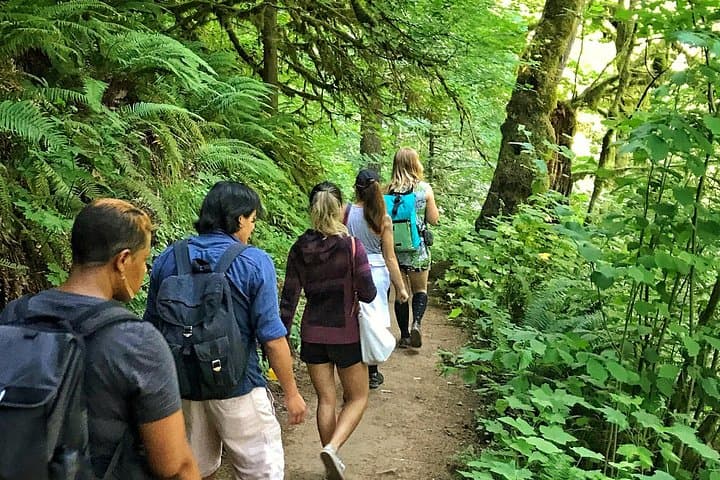
Lose the city for a few hours without leaving it: this 5-mile, 900-foot-gain Forest Park loop threads old-growth pockets, city viewpoints, and cultural landmarks for a compact taste of Portland’s wild side. Expect moss, roots, and stories.