
What the day feels like
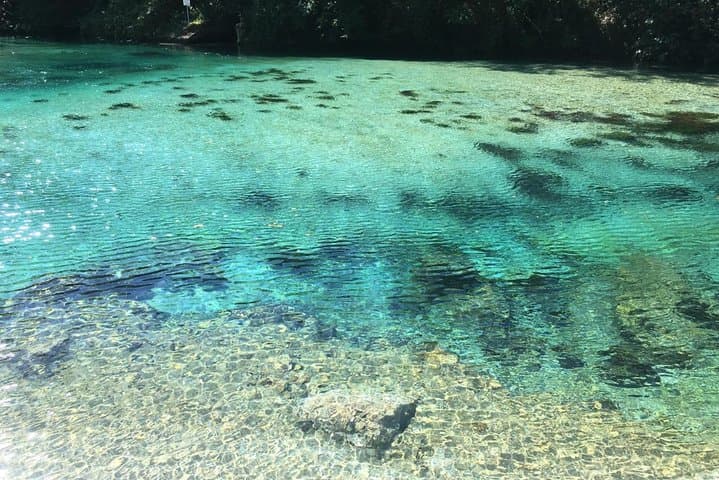
You reach the valley before you know it: the forest opens, the scent of damp oak rises, and the Nera River appears like a ribbon of glass cutting through limestone. Sunlight find shafts through the canopy and turns pockets of water into jewel-toned pools—turquoise in the shallows, an almost ink-black green where the river hunches deeper. For a few hours on a late-spring morning the world narrows to moss, rock, and the constant, friendly insistence of moving water. This is Narni’s natural pools, a small, wild corner of Umbria that still surprises even seasoned travelers.
The route to those pools reads like a collage of local life: a shady footpath through mixed beech and oak, the red-brick bones of an abandoned railway, and a paved cycle path that was once the spine of a different kind of travel. You walk past Stifone, the ancient hamlet whose medieval port once ferried goods along the Nera. Local guides point out where the river has carved caverns and small waterfalls—geology in motion, not merely an artifact of the past. If you’re the type who likes facts with your feeling: the pools are hewn from Jurassic and Cretaceous limestone; over millennia the Nera has scoured channels and plunge pools that collect in brilliant, crystalline basins.
There’s also a literary whisper that adds another layer to the visit. The name Narni—Latin Narnia—caught the eye of C. S. Lewis on maps and inspired the name of his enchanted kingdom. That won’t make the swim any warmer, but it does make the place feel like the kind of real-world doorway into a different chapter of the landscape.
This excursion is not a cliff scramble or a technical canyoning run; it’s an accessible day of walking, exploring, and lingering. Expect a 4–6 hour outing that moves at a measured pace: roughly 6–10 kilometers of mixed terrain with modest elevation change as the trail edges the valley and works down toward the river. Footing alternates between compact trail, forest mulch, and short sections of gravel; a few rocky steps take you to the best viewpoints. Guides often time the visit to avoid the midday crowds, and there’s a pleasing ritual at the end—local Umbrian refreshments. You’ll taste house-made focaccia, slices of porchetta or seasonal cheeses, and a poured glass of regional red that turns a hike into a small feast.
Beyond the walk and the water there’s culture underfoot. Stifone is small but dense with history: a Roman-era river access that later became a medieval trading point, then a sleepy village that today acts as a gateway to the valley. Local farmers and vintners still shape the hills above; your guide will be happy to point you to producers or, if timing allows, to coordinate tastings. For photographers, the composition possibilities are abundant: mirror-flat reflections, moss-draped stones, and the odd kingfisher that flashes like a living jewel.
Practicalities make this trip as delightful as it is doable. The guided excursion typically runs 4–6 hours total; the walking is not strenuous but requires steady footwear and an appetite for stepping on uneven ground. You’ll want a dry bag for your phone and a towel if you plan to wade or swim—the pools are cold and bracing even in summer, but the sensation is part of the point. Be prepared for variable cell service in the narrow valley; it’s a good excuse to stay present.
If you’d like to learn more or to secure a guided visit, local experts organize the outing and handle logistics—arrangements, timing to avoid crowds, and the Umbrian refreshments that close the day. See detailed local guidance at this link: <a href="https://app.advcollective.com/local-experts/exploring-narni-natural-pools-umbria-hidden-valley">Exploring Narni Natural Pools</a>.
Why go? Because the pools offer an easy, intoxicating mix of active exploration and small, tactile pleasures—moving water, mossy boulders, and the taste of place. It’s an all-day narrative compacted into a few hours: geology teaches patience, history gives context, and the river dares you to cool off. For families, couples, and independent travelers alike, this is an Umbrian highlight that feels discovered rather than manufactured.
When to plan: late spring through early fall is ideal for walking and for lingering at the water’s edge. If you want to avoid the highest temperatures and the peak tourist days, choose shoulder-season mornings or early autumn afternoons. Book through a local operator who knows the seasonal quirks—river flow can vary, and experienced guides read the river’s mood better than any map. Find local expertise and booking details here: <a href="https://app.advcollective.com/local-experts/exploring-narni-natural-pools-umbria-hidden-valley">Exploring Narni Natural Pools</a>.
In the end the place resists reduction. You can catalog geology and logistics, list what to pack, and give directions. But the best part of the day is the small, ordinary alchemy: sunlight through leaves, the slap of a foot into clear water, and the shared quiet at a riverside picnic when everything tastes like it belongs. That’s the reason to come—simple, honest, and undeniably Umbrian.
Trail wisdom
Small choices, better day.
Footwear Matters
Wear sturdy trail shoes with good tread—the trail includes rock steps and slippery moss near the pools.
Bring a Dry Bag
Protect phones, cameras, and snacks—water spray and unexpected dips are common close to the pools.
Time Your Visit
Aim for morning or late afternoon to avoid the midday heat and to catch the best light for photos.
Hydrate and Snack
Carry at least 1–2 liters of water and a light snack—local refreshments cap the trip but won’t replace on-trail hydration.
Local knowledge
Read the place, not just the route.
Watch for native species including Common kingfisher, European trout (and occasionally herons).
Keep an eye out for wildlife during the transition between areas and habitats. Respect distance guidelines.
The pools and river corridor are sensitive—stay on trails, pack out waste, and respect local flora and fauna to preserve water clarity and habitat.
Follow the guide's instructions on size limits, ethical handling, and leave-no-trace practices.
Stifone’s tiny medieval port and riverside ruins. The disused railway-turned-cycle path with valley overlooks
Locally recommended viewpoints and quiet spots known best to local operators.
Stifone and Narni have Roman and medieval roots; the name Narni (Latin Narnia) is linked to map references cited by C. S. Lewis.
Maritime roots and regional tradition shape the waterways and working coasts.
Seasonal guide
Four versions of the same landscape.
Spring
Best forWildflowers · Cool walks · High water flow
ChallengesVariable weather · Muddy trails
Spring brings flowering understory and higher river flow—excellent for dramatic water but expect damp trails after rain.
Summer
Best forSwimming · Long daylight hours · Picnics
ChallengesHot midday sun · Crowds on peak days
Summer is ideal for wading and picnic finishes; start early to beat the heat and busiest periods.
Fall
Best forCrisp air · Autumn colors · Smaller crowds
ChallengesCooling water · Shorter days
Fall offers dramatic light and quieter trails; water is colder but the scenery is richly colored.
Winter
Best forQuiet solitude · Dramatic river moods
ChallengesCold, muddy conditions · Limited swimming opportunities
Winter visits are possible but wetter and colder; dress for rain and expect intermittent access in storms.
Operator details
What the booking data adds.
Included
- ✓Trekking tour from Narni to the Narni Natural Pools - half day
- ✓Lunch at a local restaurant in Narni - drinks included
- ✓Tour operator on-site assistance
- ✓Private Hiking guide during the whole excursion
Not included
- —Guide in languages different from English or Italian (price on request)
- —Price on request after confirmation
- —Optional
Good to know
- ✓Infants and small children can ride in a pram or stroller
- ✓Public transportation options are available nearby
- ✓Suitable for all physical fitness levels
Pack with intention
What to bring.
Good to know
Common questions.
Yes—brief wading and swimming are common, though water stays cool even in summer; follow your guide’s safety advice.
Plan the edges
The details that make the day easier.
The English name 'Narnia' derives from the Latin name for Narni; C. S. Lewis reportedly saw 'Narnia' on a map, which influenced his book series.
After the hike head into Narni’s center for porchetta or truffle-flavored antipasti and a glass of Umbrian Sangiovese; Corso di Roma has several trattorie and wine bars popular with locals.
- Closest airports
- Perugia (PEG) ~70 km, Rome Fiumicino (FCO) ~100 km; trailhead near Stifone is a short drive from central Narni (10–20 minutes); cell service is intermittent in the valley; no permits required but guided visits are recommended.
This river corridor is ecologically sensitive—pack out all trash, avoid stepping into fragile streamside plants, and follow your guide’s instructions to minimize impact.
Explore by topic
Follow the threads.
Keep exploring
Make the story part of the trip.
In four hours you can move from shaded canyon ferns to wind-scoured coastal ridgelines, guided by someone who knows where the light—and the hidden views—live. This private half-day hike on the Monterey Peninsula or Big Sur is compact, curated, and perfect for travelers who want depth without a multiday commitment.
 Related story
Beneath a sky of shifting light, Skaftafell’s ice reads like a map of time. This three-hour guided glacier hike mixes technical instruction with geology and culture: compact, safe, and unforgettable.
 Related story
Lose the city for a few hours without leaving it: this 5-mile, 900-foot-gain Forest Park loop threads old-growth pockets, city viewpoints, and cultural landmarks for a compact taste of Portland’s wild side. Expect moss, roots, and stories.