
What the day feels like
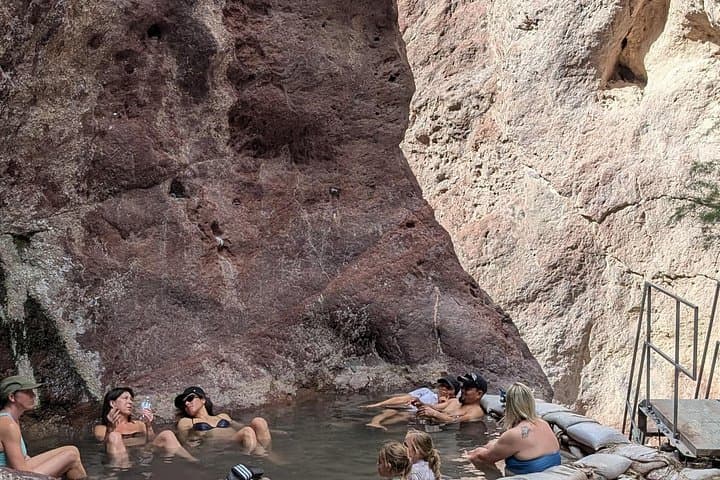
There’s a point on the trail where the desert finally gives up its pretense of being quiet. The scrub hush breaks into the rush of the Colorado River; heat-scorched boulders wear the pale thumbprints of lichen; and the canyon squeezes you into a corridor of red rock and blue water. On the Viator guided hike to Ringbolt Hot Springs, the landscape feels deliberate—every step is a negotiation between sun and shade, and the hot springs wait below like a promised punctuation.\n\nYou start on a slope of gravel and desert varnish, moving through brittle brittlebush and squat palo verde. The guides—small-group, experienced, and friendly—point out the subtle things: a packrat midden tucked under a rock, a fossilized ripple in the sandstone, the way wind has sanded a ledge into a perfect bench. Then the trail narrows; what was a walking path becomes a short scramble with ropes and an occasional ladder. These sections ask you to be present. They reward you by focusing attention—suddenly you’re not thinking about your inbox or the calendar; you’re thinking about handholds and the next foothold.\n\nWhen the river comes into view, it doesn’t just appear—it insists. The Colorado is a muscular presence here, pushing against canyon walls, reflecting a sky that takes on the deep, bruise-blue of desert late afternoon. The hot springs are tiered, human-friendly pools cut into the rock, where mineral-rich water gathers into warm, quiet cuvettes. People sink in and relax; a cup of heat in a cool place. For those with the temperament, the swim between the springs and the river—hot-to-cold—feels like a ritual with immediate, uncomplicated clarity.\n\nThe hike is both rugged and civilized. Viator’s inclusion of transportation and a guide removes the awkward logistics: no permit hunting, no trailhead confusion, and no last-minute car shuffle. It’s a four-hour loop that blends a half-day of physical work with a warm-soak payoff. The trail involves a few ladders and rope-assisted bouldering sections—enough to excite intermediate hikers and challenge casual hikers looking to step up. Expect roughly 3–4 miles round-trip with a few hundred feet of elevation change as you descend into the river canyon and climb back out.\n\nGeologically, this slice of Arizona is a folded dossier: ancient river sediments lithified into banded sandstone, later faulted and lifted to expose colorful strata. The hot spring itself is a reminder of subterranean processes—geothermal water percolating up through fractures and depositing minerals that line the pools. Culturally, the Colorado is the artery that has sustained communities for millennia. Modern visitors trade on that river’s magnetism, but the guides on this trip are careful about stewardship: leave no trace, keep soaps out of the water, and respect the fragile desert ecosystem.\n\nThe sun has a personality here. It’s not just hot—it’s a high, uncompromising presence that defines time and temperature. Mornings are cool and bright with the clarity that makes every distant ridge pop; afternoons heat up quickly and make the river look like a promise you can’t postpone. Timing matters: early departures mean softer light and cooler muscles; late slots mean a warmer soak and the kind of golden-hour photos that look like postcards.\n\nWhy go? There are simpler ways to get a soak, and there are grander hikes in Arizona. This trip sits in the middle: adventurous enough to feel earned, accessible enough to be shared with friends or a partner. It’s a recipe for casual bragging—small-group camaraderie, a few photo moments on natural rock benches, and a languid soak where the river’s presence measures the day. It’s also a sensible adventure—guides provide hydration, snacks, and the route-finding that can make desert outings safe and pleasurable.\n\nPracticalities are straightforward but important. Wear sturdy trail shoes with good traction—expect slick rock around the springs. Bring sun protection: a hat, sunscreen, and long sleeves help a lot. The guided group supplies water and light snacks, but you’ll want a small daypack for kit and a dry bag if you plan to swim. Cell service is intermittent in the canyon; take the guide’s instructions seriously and leave valuables in the transport vehicle if you’re worried about moisture.\n\nWhat you’ll take home is less tangible than photos. You’ll have the memory of lowering yourself over a ledge with the Colorado’s sound below, of the relief of a hot soak after desert exercise, and of standing on the riverbank watching light skim the water. The landscape is unostentatious—the kind of place that rewards attention rather than demands it—and that’s exactly the point. If you want a clear, concentrated taste of the Colorado River’s desert edge—rock, water, and human warmth—this guided hike delivers.
Trail wisdom
Small choices, better day.
Start Early
Morning departures keep temperatures cooler for the ladders and scrambles and give you softer light for photos.
Grip-Friendly Shoes
Wear sturdy trail shoes with sticky soles—river rocks and mineral-lined pools get slippery.
Hydrate & Pace
Drink before you feel thirsty and take steady breaks on steeper sections; guides provide extra water and snacks.
Pack a Dry Bag
Bring a small waterproof bag for phones and cameras if you plan to take river or spring dips.
Local knowledge
Read the place, not just the route.
Watch for native species including Desert bighorn sheep (occasionally seen on the cliffs), Various riparian birds such as herons and kingfishers.
Keep an eye out for wildlife during the transition between areas and habitats. Respect distance guidelines.
The area is managed as public land—pack out everything, avoid using soaps in the springs or river, and follow guide instructions to minimize erosion and disturbance.
Follow the guide's instructions on size limits, ethical handling, and leave-no-trace practices.
A short riverside shelf a few minutes downstream that makes a quiet lunch spot. Sunset viewpoints on the return trail that catch reflective river light
Locally recommended viewpoints and quiet spots known best to local operators.
The Colorado River corridor has long been a travel and trade route; the river carved these canyons over geologic time and supported Native peoples and later river commerce.
Maritime roots and regional tradition shape the waterways and working coasts.
Seasonal guide
Four versions of the same landscape.
Spring
Best forWildflower viewing · Comfortable hiking temperatures · River contrast photos
ChallengesOccasional flash-flood risk after storms · Cool mornings
Spring is ideal for moderate temperatures and colorful desert blooms—bring layers for variable mornings.
Summer
Best forRiver swims · Long daylight · Warm evening soaks
ChallengesExtreme heat, especially midday · Higher dehydration risk
Summer offers the nicest water temperatures but requires strict heat management and early starts.
Fall
Best forPleasant hiking temps · Less crowded trails · Clear air for views
ChallengesCool nights and mornings · Occasional higher river flows after monsoon season
Fall balances warm days with crisp mornings—great for combining a hike with a relaxing soak.
Winter
Best forWarm pools in cool air · Lower visitor numbers · Crisp light for photos
ChallengesCool to cold air temperatures · Chilly river dips
Winters are mild by mountain standards but bring layers for after-spring chills and short days.
Operator details
What the booking data adds.
Included
- ✓Bottled water
- ✓Snacks
- ✓Adventure & Fun
- ✓Air-conditioned vehicle
Not included
- —Gratuities
- —Hiking gear, shoes, etc.
Good to know
- ✓Service animals allowed
- ✓Public transportation options are available nearby
- ✓Not recommended for travelers with spinal injuries
- ✓Not recommended for pregnant travelers
- ✓Not recommended for travelers with poor cardiovascular health
- ✓Travelers should have at least a moderate level of physical fitness
Pack with intention
What to bring.
Good to know
Common questions.
The guided loop is about 4 hours total with roughly 3–4 miles round-trip and a few hundred feet of elevation change; expect short rope-assisted scrambles and ladder sections—suitable for moderately fit hikers.
Plan the edges
The details that make the day easier.
Ringbolt Hot Springs sits along the Colorado River’s canyon edge, where mineral-rich groundwater surfaces and has long been used by travelers as natural soaking pools.
After the hike, head to Lake Havasu City for a cold beer and local fare—Mudshark Brewing Co. and Barley Bros Brewery serve solid post-hike meals, and a stroll across the London Bridge provides a tourist-y but fun counterpoint to the raw canyon experience.
- Closest major airport
- Las Vegas (about 2.5–3 hours drive); Nearest local airport: Lake Havasu City Airport (~30–45 minutes); Driving from Lake Havasu City to trailhead: approx 30–60 minutes depending on access point; Cell service: intermittent in canyon; Permits: none required for this guided tour; Operator provides transport, snacks and water.
This is fragile desert and riverside habitat—pack out all trash, avoid soaps in the springs, and follow the guide’s leave-no-trace practices to protect waterways and wildlife.
Explore by topic
Follow the threads.
Keep exploring
Make the story part of the trip.
 Related story
Less than two hours from Nairobi, Kereita Forest pairs hands-on canopy adventure with quiet montane trails and a sobering colonial history—perfect for families, teams, and curious travelers seeking a full-day pulse of nature.
Set out from Bass Harbor for a private, customizable day on Blue Hill Bay — lighthouses, puffins, seals, and the chance to feel Acadia from the water. Small groups, local captains, unforgettable views.
In four hours you can move from shaded canyon ferns to wind-scoured coastal ridgelines, guided by someone who knows where the light—and the hidden views—live. This private half-day hike on the Monterey Peninsula or Big Sur is compact, curated, and perfect for travelers who want depth without a multiday commitment.