
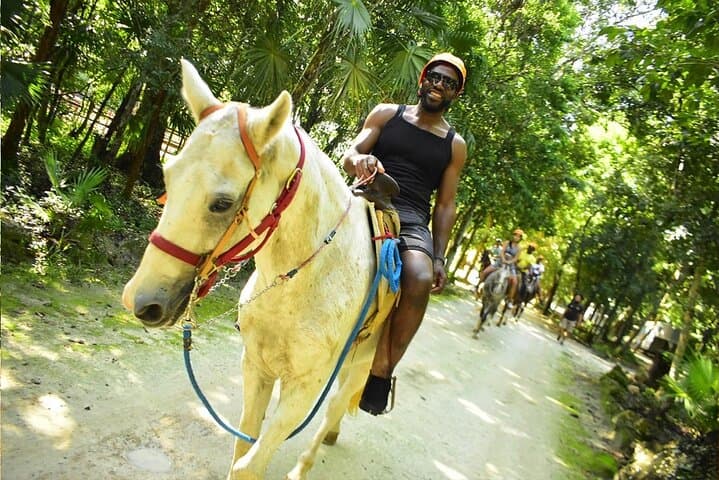
What the day feels like
The jungle near Puerto Morelos moves at its own pace—humid, low, and patient—until you interrupt it. You arrive with sandals and sunglasses and leave with a memory stamped by speed: wind compressing against your face on a zipline, the staccato kick of an ATV engine, the quiet negotiation of a horse picking its way through root and leaf, and finally, the cool, mineral hush of a cenote that seems to drink the heat. This shared adventure compresses several distinct modes of motion into five hours, the kind of half-day that feels like a full day’s worth of stories.
The morning starts under a canopy that acts like a green roof: sunlight sifts in thin slats, motes of dust and pollen rotating slowly where your headlamp would collect them if you had one. Guides brief the group with calm efficiency—the clips they show you on the harness will be the same clips that keep you off the forest floor a few minutes later. When you launch from the first platform, the jungle exhales. Ziplines here are less about vertigo and more about the slow widening of perspective; you move through the middle distance between treetops and an understory stitched with orchids and lianas, like traveling in a sentence whose punctuation is a deep green silence.
Geology and the human story are braided through the day. The Yucatán is a low carbonate plain—no rivers carve this landscape; water moves underground. Cenotes are the surface punctuation marks of that subterranean hydrology: sinkholes where the bedrock collapsed and groundwater pooled, many of them sacred to the Maya. The presence of a cenote at the end of the circuit is not a gimmick; it’s the landscape’s hidden exhale—cool, clear, and often luminous. On the drive back toward Puerto Morelos you’ll pass scrubby mangrove flats, then the white-sand shoulders of a fishing town that stayed small long enough to retain a slower rhythm.
Culturally, Puerto Morelos reads as a working fishing village softened by tourism. Where Cancun is designed and busy, Puerto Morelos keeps the smell of fish and diesel and slow coffee. Locals still talk about seasons by the arrival of species and the timing of storms, and day-tour operators are woven into a local economy that balances fishing, small-scale hospitality, and conservation; the nearby reef is protected as part of broader regional efforts tied to the Mesoamerican Barrier Reef System.
Practicalities: the entire experience runs about five hours and typically includes transport from Puerto Morelos, a zipline circuit through several platforms, an hour on horseback or a guided trail ride, a short but fast ATV loop, and time to cool off in a cenote. The terrain is flat to rolling—expect dirt tracks and jungle trail, no steep climbs or technical scrambles—but moving between modes of travel and swapping gear requires reasonable mobility and the ability to follow safety briefings. Most operators set a weight and age limit for ziplines and ATVs; if you are traveling with kids, check those limits in advance. The tour is priced from about $59 USD, making it an accessible splurge for a half-day of variety.
Safety tends to feel paternal without being patronizing: helmets, harnesses, and a guide’s steady hand on the reins, throttle, or tether. For ziplines, basic comfort with heights helps; for horses, soft knees and the ability to stay balanced over uneven ground matter more than riding experience; ATVs require attention and respect—these machines push forward and will punish careless braking or overconfidence.
Timing is everything here. Aim for an early slot: cooler temperatures, fewer tour groups, and light that makes the canopy glow. Bring a daypack with water, reef-safe sunscreen, a quick-dry towel, and a change of clothes if you plan to swim in the cenote afterward. Footwear should be closed-toe and grippy for ATVs and horses; the zipline platforms ask for steady footing but no technical shoes.
If you love wildlife, listen for birds more than expect mammals—tropical birdlife is active in the canopy and iguanas bask on sunlit branches. The cenote sometimes hosts bats in its darker recesses and schools of freshwater fish that examine your feet with idle curiosity.
Why go? This shared circuit is kinetic storytelling: four different ways to move through the same piece of jungle, each revealing something different about the land. It’s efficient for travelers with limited time who still want a variety of authentic, physical experiences. The cenote at the end is not a mere cool-down; it’s the punctuation that makes the whole sequence feel complete. You leave not just with adrenaline but with the tactile memory of limestone, the damp smell of leaf litter, and the surprising coolness of underground water.
Insider advice: bring cash for tips and small purchases, hydrate before you arrive, and choose a morning departure to avoid midday heat. Operators here are used to international travelers—ask about group sizes if you prefer a quieter outing, and check whether transfers from your hotel are included. Finally, treat the cenote respectfully: these are fragile karst systems with long recharge times; avoid using non–reef-safe sunscreens and follow the rules guides set for swim time.
This is a tour that suits many kinds of travelers: families with older kids, couples drawn to variety, and solo adventurers who want a half-day of well-stitched thrills. It doesn’t ask you to master anything—only to be present for each transition and to remember, afterward, that the jungle rewards both speed and silence.
Trail wisdom
Small choices, better day.
Go Early
Book a morning departure to avoid heat and crowds; light in the canopy is best before noon.
Closed-Toe Shoes Only
ATVs and horses require sturdy, closed-toe shoes with good grip—no sandals.
Hydrate and Snack
Bring a refillable water bottle and a light snack; the combo of sun and activity depletes energy quickly.
Use Reef-Safe Sunscreen
Apply biodegradable sunscreen before the cenote or use a rash guard to protect both skin and the water.
Local knowledge
Read the place, not just the route.
Watch for native species including Iguanas, Tropical birds such as kingfishers and woodpeckers.
Keep an eye out for wildlife during the transition between areas and habitats. Respect distance guidelines.
The nearby reef is part of the Mesoamerican Barrier Reef System—use reef-safe sunscreen, stay on marked trails, and pack out trash to protect fragile marine and cenote ecosystems.
Follow the guide's instructions on size limits, ethical handling, and leave-no-trace practices.
Sunrise at the small fishing pier in Puerto Morelos—quiet light and local life. A shore-side snack stall in town serving fresh ceviche and cold drinks
Locally recommended viewpoints and quiet spots known best to local operators.
Puerto Morelos was a modest fishing village before tourism arrived; its proximity to the reef and cenotes ties it to Mayan trade and contemporary conservation efforts.
Maritime roots and regional tradition shape the waterways and working coasts.
Seasonal guide
Four versions of the same landscape.
Spring
Best forDry weather · Birdwatching in the canopy · Calmer cenote waters
ChallengesRising temperatures · Potentially busier spring-break crowds
Spring (March–May) offers warming days and stable weather—good for ziplines and a refreshing cenote swim, but expect more visitors during school holidays.
Summer
Best forLush jungle visuals · Longer daylight · Warm cenote swims
ChallengesAfternoon thunderstorms · High humidity and heat
Summer brings dense jungle growth and warm water, but plan for mid-day storms and pack rain protection.
Fall
Best forFewer crowds · Comfortable temperatures · Good light for photography
ChallengesHurricane season window (Aug–Oct) · Occasional heavy rain
Fall can be a quieter time with good light; watch forecast windows during hurricane season and have flexible plans.
Winter
Best forDry, sunny days · Low humidity · Peak visibility
ChallengesCooler early mornings · Higher tourist demand in peak months
Winter (Nov–Apr) is the optimal season for stable weather and comfortable activity conditions—book early for prime slots.
Operator details
What the booking data adds.
Included
- ✓Life Jackets
- ✓Mexican Snacks
- ✓Atv shared or individual (depends on the option chosen)
- ✓Cenote Swim Experience
- ✓Bilingual Certified Guide
- ✓Round trip transportation service
- ✓Ziplines Circuit
Not included
- —Photos
- —Souvenirs
- —Tips
- —ATV Insurance
- —Tax 25 USD
Good to know
- ✓Not recommended for travelers with spinal injuries
- ✓Travelers should have at least a moderate level of physical fitness
- ✓To drive the ATV you must have a license or driving permit
- ✓The remaining hours of the tour are hours taken for transportation to the park
Pack with intention
What to bring.
Good to know
Common questions.
The shared tour lasts roughly five hours, typically including transport, the zipline circuit, horseback riding, an ATV loop, and time at a cenote.
Plan the edges
The details that make the day easier.
Puerto Morelos lies on the Mesoamerican Barrier Reef System, the second-largest coral reef system in the world.
After the tour, head into Puerto Morelos’ small town center for fresh seafood stalls and a cold cerveza by the water—local menus favor ceviche and grilled fish, and the town’s pace is a pleasant counterpoint to the morning’s adrenaline.
- Closest airport
- Cancún International Airport (CUN) ~25–35 minutes drive; Typical driving distance from Puerto Morelos center: 10–20 minutes; Cell service: good near town, patchy in jungle segments; Permits: none required for this commercial tour.
Protect the cenote and reef—use reef-safe sunscreen, follow guide instructions, avoid touching stalactites or corals, and pack out all trash to minimize impact.
Explore by topic
Follow the threads.
Keep exploring
Make the story part of the trip.
In four hours you can move from shaded canyon ferns to wind-scoured coastal ridgelines, guided by someone who knows where the light—and the hidden views—live. This private half-day hike on the Monterey Peninsula or Big Sur is compact, curated, and perfect for travelers who want depth without a multiday commitment.
 Related story
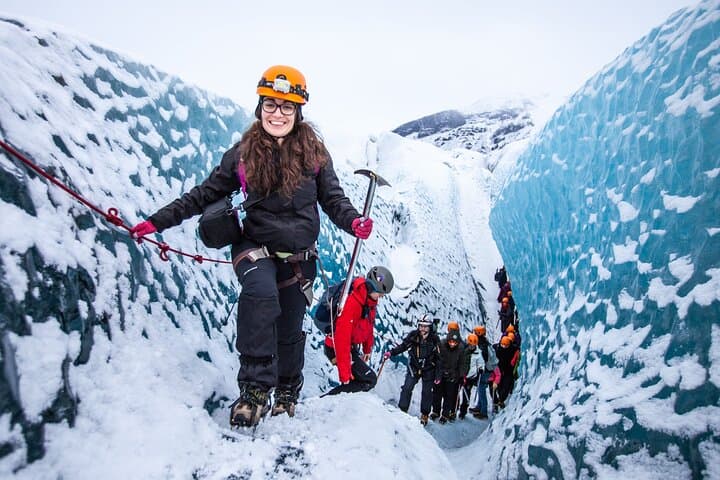
Beneath a sky of shifting light, Skaftafell’s ice reads like a map of time. This three-hour guided glacier hike mixes technical instruction with geology and culture: compact, safe, and unforgettable.
 Related story
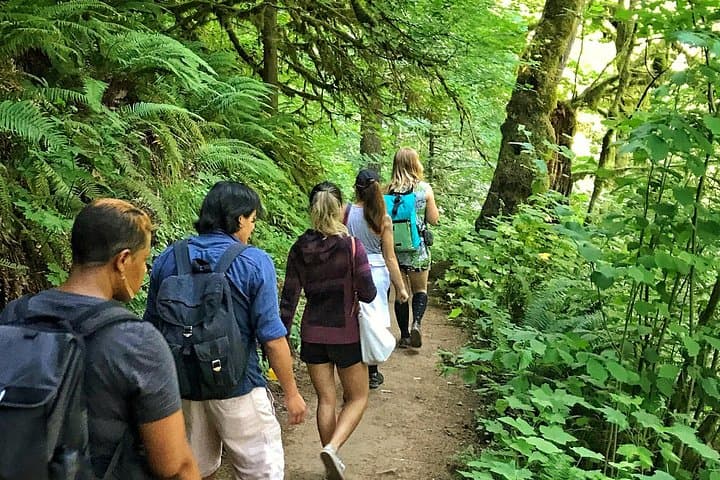
Lose the city for a few hours without leaving it: this 5-mile, 900-foot-gain Forest Park loop threads old-growth pockets, city viewpoints, and cultural landmarks for a compact taste of Portland’s wild side. Expect moss, roots, and stories.