
What the day feels like
At the far bend of Harness Creek, the water slows to a glassy hush. An egret tiptoes the marsh fringe like it owns the morning, and a light southerly wind brushes ripples across your board. Ahead, the channel opens toward the South River, where sails flash like gulls and the wide Chesapeake breathes beyond. This is the gentle, green edge of Annapolis—Quiet Waters Park—where paddling is less about ticking miles and more about letting the creek set the pace.
Rent a stand-up paddleboard, kayak, canoe, or pedal boat and roll from the park’s launch into a ribbon of calm brackish water guarded by loblolly pines and tulip poplars. The current here negotiates, not demands. It nudges you around bends where osprey platforms stand like sentinels and million-dollar homes peek from the trees, their docks stepping into the water like invitations. Staff at the rental dock kick things off with a quick primer on paddle strokes, safety, and local etiquette—enough to help first-timers find their rhythm and regulars sharpen it. Within minutes, boards slide silent, kayaks whisper, and the shoreline starts telling its story.
Annapolis grew up on these creeks, long before it was a maritime capital and academy town. The Chesapeake Bay, North America’s largest estuary, is a drowned river valley—a landscape shaped by rising seas after the last Ice Age. That geology still whispers here: tidal creeks like Harness curve through salt marsh and hardwood forest, hosting a mosaic of life that thrives in the brackish meet-up of river and sea. Blue herons spearfish at dawn, diamondback terrapins surface like periscopes, and osprey carve the sky, scolding anyone who lingers below their nests too long. Paddling lets you hear it all, one cove at a time.
From the dock, most paddlers trace the inner shoreline clockwise. Keep left and you’ll skirt marsh islands where red-winged blackbirds heckle from the reeds. Push to the park’s far elbow and you’ll feel the creek subtly pull—tidal energy reminding you the Chesapeake is the heartbeat beneath this calm veneer. On windier days, hugging the lee shore keeps things mellow. On quiet evenings, the surface turns mirror-smooth, and sunset paints the mansions gold while the trees deepen to shadow. The creek has a personality—playful on summer mornings, contemplative in shoulder seasons—and it puts you right in the conversation.
For a 60–90 minute outing, a relaxed out-and-back to the creek’s widest basin offers ample wildlife viewing and broad water for practicing turns and balance. Confident paddlers with two hours can continue toward the South River mouth, reading wind and boat wakes as the waterway widens. It’s never a race; it’s a negotiation between hull and tide, with the creek quietly insisting you slow down and look around.
Culture is never far from the shoreline. Annapolis has long called itself the Sailing Capital of the U.S., and you’ll catch that pedigree even from a paddleboard. A sloop slips past, a coach boat hums with Naval Academy crew practice, and somewhere beyond the treeline, a bell chimes from a 300-year-old church. Back at the park, the sculpture garden and wooded trails make it easy to pair water time with a stroll; in cooler months, the park’s seasonal ice rink trades paddles for skates.
If you’re weighing which craft to rent, think about your style. Stand-up paddleboards put you above the waterline, perfect for scanning beds of eelgrass and spotting rays or terrapins. Sit-on-top kayaks—single or tandem—are stable and intuitive, a good pick for families or anyone dipping into paddle sports. Canoes carry coolers and curiosity in equal measure. Pedal boats trade technique for simplicity; they’re relaxed, social, and ideal for keeping the conversation going while the creek does its lazy circling.
Timing matters. Mornings tend to bring lighter winds and quieter boat traffic, a combination that keeps conditions beginner-friendly. Late afternoons deliver golden-hour spectacles as the sun angles behind the trees. Summer water temps welcome a quick swim if you take a spill; spring and fall bring crisp air and sharper light that photographers love. Winter paddling happens here too, but it’s a specialists-only affair with cold-water gear and careful planning.
The practical edge: wear water shoes for slick launches, secure sunglasses with a strap, and keep your phone in a dry bag. Hydrate even when the breeze tricks you into thinking you don’t need it. Always yield to motorboats and mind posted no-wake zones; a friendly wave goes a long way in shared waterways. And if you’re new to paddling, consider checking in with trusted guidance from local experts—resources like this curated hub of <a href="https://app.advcollective.com/local-experts/undefined">local experts</a> can connect you to technique tips, seasonal insights, and route intel specific to Annapolis. When in doubt about conditions, ask the dock team; they know how wind and tide play on this creek.
As for why you come: because the Chesapeake still makes room for quiet. Because creeks like this teach you to listen. Because a paddle here can be both first lesson and favorite routine. The water coaxes you forward, the marsh applauds softly, and Annapolis—just a few miles away—feels pleasantly distant. And when you’re done, the town waits with crab cakes, cold beer, and the hum of a harbor that never quite sleeps. That’s the loop at Quiet Waters: paddle, pause, return, repeat. For more planning details, gear suggestions, or to find a guide who matches your style, tap into a network of <a href="https://app.advcollective.com/local-experts/undefined">local experts</a> and start charting your line down Harness Creek.
Trail wisdom
Small choices, better day.
Time the Tide and Wind
Mornings often bring calmer conditions. Check wind direction; hugging the lee shore keeps beginners comfortable.
Hug the Shore on Busy Days
Stay to the right and near the shoreline to avoid boat wakes and give yourself room to maneuver.
Mind Wildlife Nesting Platforms
Give osprey nests wide berth—lingering too close can stress the birds during spring and early summer.
Dry Bags Save Phones
Keep keys and phones in a dry bag and clip it to your craft—you’ll thank yourself if you tip.
Local knowledge
Read the place, not just the route.
Watch for native species including Osprey, Great blue heron.
Keep an eye out for wildlife during the transition between areas and habitats. Respect distance guidelines.
Stay out of marsh grass, obey no-wake zones, and pack out all trash. These fringes protect juvenile fish, crabs, and nesting birds central to the Bay’s recovery.
Follow the guide's instructions on size limits, ethical handling, and leave-no-trace practices.
South River Overlook footpath inside Quiet Waters Park for post-paddle vistas. The park’s sculpture garden near the Visitor Center for a quiet cooldown stroll
Locally recommended viewpoints and quiet spots known best to local operators.
Annapolis has been a Chesapeake maritime hub since colonial times; today, restoration of oyster reefs and wetlands continues to improve water clarity and habitat across the South River watershed.
Maritime roots and regional tradition shape the waterways and working coasts.
Seasonal guide
Four versions of the same landscape.
Spring
Best forCool, clear air · Active birdlife
ChallengesVariable water temps · Occasional gusty winds
Fresh mornings and thinner crowds make spring ideal. Expect lively osprey activity and crisp light.
Summer
Best forWarm water · Family outings
ChallengesHigher boat traffic · Afternoon heat and humidity
Peak season means easy conditions and long days. Aim for mornings or evenings to beat heat and wakes.
Fall
Best forGolden light · Calmer weekdays
ChallengesShorter days · Cooling water
Autumn brings color along the shoreline and steadier winds. Layers help after sunset paddles.
Winter
Best forSolitude · Sharp visibility
ChallengesCold water risk · Limited rental availability
Only for well-prepared paddlers with proper cold-water gear. Check operating hours before planning.
Pack with intention
What to bring.
Good to know
Common questions.
No. Staff provide a brief orientation on strokes, safety, and route suggestions before you launch, and the creek’s protected water is beginner-friendly.
Plan the edges
The details that make the day easier.
The Chesapeake Bay is the largest estuary in the United States, with more than 11,600 miles of shoreline across its tidal tributaries.
Refuel in Eastport at Boatyard Bar & Grill for crab cakes and a dockside vibe, or grab a pint at Forward Brewing. Stroll the Annapolis Maritime Museum to tie your paddle to local history, then cap it with a cone at Annapolis Ice Cream Company downtown.
- Closest major airport
- BWI (approx. 30–40 minutes). Launch: Quiet Waters Park, 600 Quiet Waters Park Rd, Annapolis. About 10 minutes from downtown Annapolis by car. Cell service: generally good, with occasional weak spots near coves. Entry: Anne Arundel County park entrance fee required at gate; bring card or cash.
Harness Creek feeds the Chesapeake Bay—help protect it by avoiding marsh edges, minimizing wake, and packing out everything. Leave wildlife undisturbed, especially nesting osprey in spring and early summer.
Explore by topic
Follow the threads.
Keep exploring
Make the story part of the trip.
In four hours you can move from shaded canyon ferns to wind-scoured coastal ridgelines, guided by someone who knows where the light—and the hidden views—live. This private half-day hike on the Monterey Peninsula or Big Sur is compact, curated, and perfect for travelers who want depth without a multiday commitment.
 Related story
Beneath a sky of shifting light, Skaftafell’s ice reads like a map of time. This three-hour guided glacier hike mixes technical instruction with geology and culture: compact, safe, and unforgettable.
 Related story
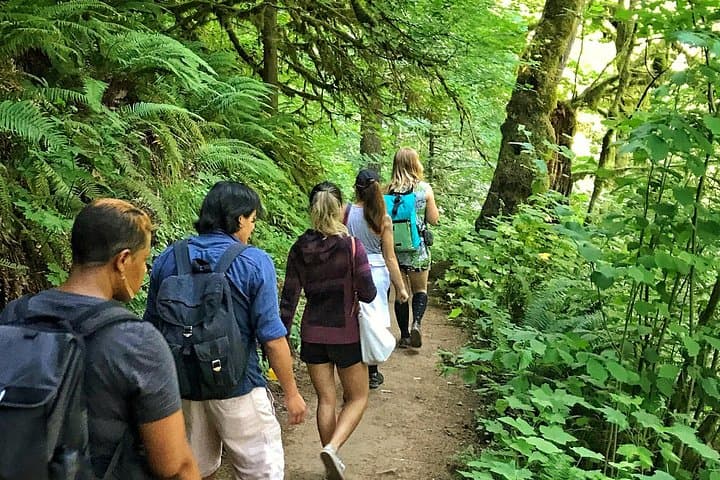
Lose the city for a few hours without leaving it: this 5-mile, 900-foot-gain Forest Park loop threads old-growth pockets, city viewpoints, and cultural landmarks for a compact taste of Portland’s wild side. Expect moss, roots, and stories.