
What the day feels like
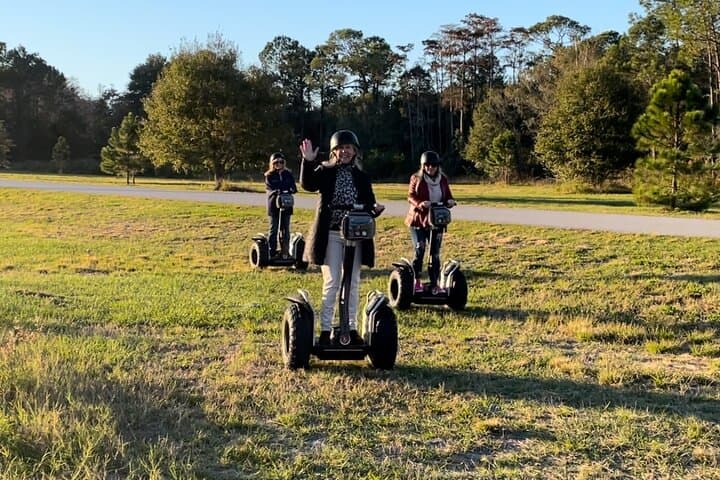
You push off and the forest obliges. The Segway hums beneath you, steady and obedient, and a ribbon of sandy trail unfurls through a cathedral of longleaf pines and palmetto. Sunlight slices between trunks, landing in bright coins on the path, while the lacquered skin of Lake Louisa glints like a dare to stop and look. For two hours you move at the park’s pace—fast enough to cover three miles of looping singletrack and lakefront skirt, slow enough to notice the lichen on a cypress knee or the soft slap of a turtle slipping into the shallows.
Lake Louisa State Park is not dramatic in the way a granite ridge is, but Florida has its own kind of subtle architecture: sandhill ridges, hammock forests, and an interlocking chain of lakes that feel as old as the coastline itself. The Segway tour here trades the sweat and slog of a hike for a different kind of engagement—one that lets you lean into the landscape without missing its small, quiet details. Guides teach you to ride in minutes, then lead through terrain that’s forgiving yet varied: packed sand, hardpan trail, occasional roots, and short stretches of boardwalk around marshy corners.
A little history rides with you. The park sits on about 4,372 acres of protected land that preserves a mosaic of habitats once used by indigenous peoples and later by citrus growers and cattle ranchers. Today it’s a working example of Florida’s conservation story: a place where public access collides with habitat protection. Geologically, these ridges are part of ancient coastal terraces—low rises that resisted the slow redistribution of sand across Florida’s peninsula. The result is a pleasant topography for off‑road Segways: gentle undulations rather than steep climbs, lots of open sky and surprisingly good sightlines for wildlife.
Culturally, the ride is rooted in Central Florida’s paradox—close enough to Orlando’s theme-park orbit to be a quick escape, far enough to feel like real outdoors. Guides are local: they know which coves hold turtles in the afternoon, where the osprey nests hang like sentries, and which berm yields a painterly view of the sunset. That local knowledge shapes the tour’s rhythm. Stops are meaningful—bridge viewpoints, historic homestead ruins, and photo-ready lake overlooks where you can hear the faint hum of insects and the deeper timbre of birds.
Why take a Segway instead of a hike or a bike? It’s democratic. The operator markets the experience as suitable for first-time riders, and the learning curve is short—most people find their balance in a few minutes. It’s also efficient: three miles in two hours includes lessons, short walks, and pauses for interpretation. For families with teens (participants must be at least 14 and weigh between 100–250 pounds), it’s a way to get outdoors without years of trail conditioning. For seasonally weary travelers, it’s low impact—and electric—so you feel like you’re doing something lighter on the land.
Practical detail matters here. Trails are mostly packed sand and hardpan with intermittent roots and wet sections near the lakes; footwear that locks the ankle isn’t necessary, but closed-toe shoes that can get a little mud on them are the smart move. Florida weather will set the tempo: mornings are cool and ideal between November and April; summer brings heat, thick humidity, and afternoon thunderstorms. Guides typically run the tour early or late in the day to avoid the worst heat and to catch better wildlife activity.
The tour costs start at about $59 per person and runs roughly two hours. The operator provides training, helmets, and the Segways; bring hydration, sun protection, and an openness to the pace of the place. Safety is straightforward: follow your guide, avoid sudden swivels on wet boards, and step off the machine if the trail narrows. The operator’s instant confirmation and flexible cancellation policy make this an easy add-on to a broader Orlando itinerary—an antidote to theme‑park density and a reminder that Florida’s outdoors can be quietly compelling.
If you want to maximize the experience, schedule sunrise or late afternoon slots for softer light and fewer people. Combine the ride with a short paddle at a park canoe launch or explore nearby Clermont afterward—there’s a satisfying town-center energy that pairs well with a day outdoors. Photographers will appreciate the low vantage point of the Segway; move slowly through the scene and you’ll catch reflections, herons frozen like sentinels, and cypress draped in Spanish moss that frames the lake like a living curtain.
It’s easy to overstate the novelty of riding an electric vehicle through a state park, but the truth here is simple: the Segway is a tool for seeing. It lets you sample more habitat in a short window while remaining connected to the ground beneath you. The result is a small, concentrated expedition—an accessible, low-effort way to spend a morning or afternoon in a place that rewards attention. Nature behaves the same whether you walk or glide—the heron will fish, the turtles will sun, the pines will throw shade—but a Segway gives you a new tempo for noticing it all. For families, photographers, and day-trippers who want to stretch out beyond the city without committing to a strenuous trek, this tour is an efficient, feel-good way to meet Florida’s quieter side.
Trail wisdom
Small choices, better day.
Go Early or Late
Book a morning or late‑afternoon slot to avoid midday heat and thunderstorms and to catch better wildlife activity.
Wear Closed‑Toe Shoes
Trail surfaces include packed sand and occasional roots—closed‑toe shoes protect toes and improve control on the Segway.
Hydrate on the Move
Bring a water bottle; two hours in Florida heat is more taxing than it feels once you’re on the move.
Follow the Guide’s Pace
Instructed stops are for safety and interpretation—stay with the group and step off the Segway on narrow or wet sections.
Local knowledge
Read the place, not just the route.
Watch for native species including Great blue heron, Eastern box turtle.
Keep an eye out for wildlife during the transition between areas and habitats. Respect distance guidelines.
Lake Louisa State Park is managed for habitat protection and recreation—stay on designated trails, pack out trash, and follow your guide to minimize impact.
Follow the guide's instructions on size limits, ethical handling, and leave-no-trace practices.
Small lakeside coves for peaceful reflection and birdwatching. A short spur trail to historic homestead remnants inside the park
Locally recommended viewpoints and quiet spots known best to local operators.
The park protects thousands of acres that were historically used for citrus groves and cattle and now preserve Central Florida’s sandhill and hammock habitats.
Maritime roots and regional tradition shape the waterways and working coasts.
Seasonal guide
Four versions of the same landscape.
Spring
Best forWildflower viewing · Milder temperatures · Migratory birds
ChallengesOccasional rain showers · Increased pollen
Spring brings comfortable temperatures and active birdlife—expect blooming understory and occasional short showers.
Summer
Best forLush greenery · Long days · Warm water views
ChallengesHigh heat and humidity · Afternoon thunderstorms
Summer is hot and storm-prone; book early starts and bring sun protection and extra water.
Fall
Best forLower humidity · Quieter trails · Good light for photos
ChallengesResidual heat early in season · Seasonal tire and insect activity
Fall eases the summer intensity—days are pleasant and the park sees fewer visitors than winter.
Winter
Best forDry conditions · Cool mornings · Comfortable touring
ChallengesCooler nights (bring layers) · Shorter daylight hours
Winter is the optimal season for Segway tours—cool, dry, and comfortable for two‑hour outings.
Pack with intention
What to bring.
Good to know
Common questions.
No—guides provide training and most first‑time riders become comfortable within minutes.
Plan the edges
The details that make the day easier.
Lake Louisa State Park protects roughly 4,372 acres of lakes, sandhill, and hammock habitats—one of Central Florida’s larger contiguous state park holdings.
After your ride, head into downtown Clermont for waterfront views at Clermont Waterfront Park, grab a locally brewed beer at a nearby brewery in Winter Garden or Clermont, and check for community farmer’s markets on weekends to sample local produce and snacks.
- Closest airport
- Orlando International Airport (MCO) — ~45–60 minutes drive; Trailhead: Lake Louisa State Park main parking area; Driving from Clermont downtown: ~15–25 minutes; Cell service: variable—good near lakes and parking, patchy on interior trails; Permits
- fees
- state park day‑use
This is a low‑impact, electric tour—stick to established trails, avoid disturbing shoreline habitats, and pack out any trash to protect the park’s fragile ecosystems.
Explore by topic
Follow the threads.
Keep exploring
Make the story part of the trip.
Set out from Bass Harbor for a private, customizable day on Blue Hill Bay — lighthouses, puffins, seals, and the chance to feel Acadia from the water. Small groups, local captains, unforgettable views.
In four hours you can move from shaded canyon ferns to wind-scoured coastal ridgelines, guided by someone who knows where the light—and the hidden views—live. This private half-day hike on the Monterey Peninsula or Big Sur is compact, curated, and perfect for travelers who want depth without a multiday commitment.
 Related story
Beneath a sky of shifting light, Skaftafell’s ice reads like a map of time. This three-hour guided glacier hike mixes technical instruction with geology and culture: compact, safe, and unforgettable.