
What the day feels like
Morning light lifts off the Flatirons like a curtain raised on an old stage. The sandstone slabs lean toward town, shoulder-wide and watchful, while Boulder Creek hums its low song through cottonwoods. You roll out on an e-bike, a gentle whir underfoot, and the city opens like a trailhead that never ends—pearl-gray bike paths, tidy bridges, and a front-row view to life at 5,430 feet. This is the Best of Boulder E-Bike Tour, a two- to two-and-a-half-hour spin that stitches together the signature pieces of Boulder—Chautauqua Park, the University of Colorado campus, and the Boulder Creek Path—into one smooth loop. It’s easy to underestimate how far you can go when the motor lends a nudge, but the creek insists you keep moving, and the path agrees. The beauty here is not just scenery; it’s flow.
The tour starts near downtown at a local e-bike outfitter with free parking and a quick briefing. Helmets click into place. A few minutes later you’re gliding beside Boulder Creek, where fly anglers flick lines under willow shade and kids skip stones from pebbly banks. The creek isn’t just water; it’s tempo, pushing the town forward since its mining days. You move west toward Boulder Canyon, where the path edges into hints of granite and the air cools. Then the route swings south toward Chautauqua Park, the city’s historic green lung. Built in 1898 as part of the national Chautauqua movement, the park remains a gathering ground for culture and open space, with trailheads pointing into the Flatirons like arrows. The rock here dates back some 300 million years, uplifted and tilted during the Laramide orogeny—geology that stands with arms crossed, unblinking and steadfast.
On an e-bike, hills become invitations instead of obstacles. You pass tidy neighborhoods shaded by old maples, then cross campus where red-tile roofs and sandstone facades reflect the city’s architectural identity. CU Boulder, founded in 1876, feels like a small town within a town—students navigating on scooters, the carillon clock chiming over Varsity Lake, and manicured lawns where fox squirrels never seem to be in a hurry. The ride continues along a web of well-marked, mostly flat paths. Boulder’s commitment to open space and bike infrastructure pays off minute by minute; you get a highlight tour without wrestling traffic. That’s the magic of this route, and why so many locals commute by bike. It feels like the city built its days to meet the wheel.
There’s time to pull over for photos when the Flatirons catch full light. The slabs seem to lean closer as if curious about your cadence. Summer brings wild iris and the clean, resinous scent of ponderosa; in fall, cottonwoods trade shade for gold leaf. In spring, snowmelt sharpens the creek’s voice; in winter, the low sun turns the rock face honeyed and bright on crisp bluebird days. The tour is designed to be approachable: expect around 10–13 miles with gentle grades, frequent stops, and guides who know which spur will give you the best panorama with the least effort. If you’re acclimating to altitude, the light electric assist is a quiet hero—no chest-thumping climbs, just steady momentum.
Boulder’s cultural texture comes through at every turn. Pearl Street, a few blocks from the shop, hosts buskers and local makers; the Dushanbe Teahouse, a gift from Boulder's sister city in Tajikistan, catches the eye with hand-carved details; and a dozen indie coffee roasters fuel morning rides with precision and pride. This tour trims away the guesswork. If you only have a few hours, you want to see the big hitters and feel the city’s rhythm. That’s exactly what you get here, along with local insight on where to linger afterward—be it a patio beer at Mountain Sun, a pastry on Pearl, or a trailhead teaser for your next visit.
Plan with intention. Colorado sun can be relentless, even when the air feels cool, so sunscreen and sunglasses aren’t optional. Afternoon thunderstorms are common in summer; mornings are typically calmer. Hydrate more than you think you need, especially if you’re new to the elevation. Closed-toe shoes help when you plant your foot at a stop sign or hop a curb cut. And remember: bike path etiquette matters. Ring your bell, call your passes, yield to pedestrians, and keep right. The creek path is a shared artery; everyone’s welcome when everyone’s courteous.
The Best of Boulder E-Bike Tour fits neatly into a long weekend, a conference break, or a pre-dinner spin. It’s the rare city experience that feels like a trail day—light on logistics, heavy on views, and grounded in place. If you want to dig deeper, you can learn more and book through this local expert page: <a href="https://app.advcollective.com/local-experts/best-of-boulder-e-bike-tour" target="_blank" rel="noopener">Best of Boulder E-Bike Tour</a>. It’s a direct line to guides who live the path every day and know how to shape a route to the season, the light, and the vibe of the group. The creek will still be there tomorrow, pulling at pebbles, nudging the banks. The Flatirons will still be leaning in. The question is whether you’re ready to glide with them.
Because this ride is both approachable and dynamic, it suits a wide range of travelers—solo explorers who want an efficient survey, couples who prefer conversation to huffing uphill, families with adult kids seeking something active but not punishing. The e-bike’s quiet assist keeps your focus on the view and the moment, not the grind. And the guide’s local narrative adds color to the sandstone: this is where the 2013 floods reshaped the creek corridor; here’s the vista that always wins sunset; that art piece on campus has its own lore. If you’re the type who likes an adventure with a side of context, this tour strikes that balance. See the highlights, feel the terrain, pick up a story or two, and leave with a better map of Boulder in your head.
When you finish, coasting back toward downtown, the city downs shifts into that contented hum: bikes whispering, water talking, and the Flatirons looking pleased. Book it, ride it, then go celebrate nearby. For details, seasonal hints, and secure reservations, head to <a href="https://app.advcollective.com/local-experts/best-of-boulder-e-bike-tour" target="_blank" rel="noopener">this Best of Boulder E-Bike Tour guide</a>.
Trail wisdom
Small choices, better day.
Start Early For Smooth Paths
Morning departures mean cooler temps, fewer pedestrians on the Boulder Creek Path, and steadier winds.
Altitude + Hydration
At 5,430 feet, dehydration sneaks up fast—bring a full bottle and sip regularly even on cool days.
Layer For Changeable Weather
A light wind jacket handles canyon breezes and quick-changing mountain weather, especially in spring and fall.
Path Etiquette = Better Ride
Announce passes, keep right, and yield to pedestrians; Boulder’s multi-use paths are popular and well-loved.
Local knowledge
Read the place, not just the route.
Watch for native species including Mule deer in foothill neighborhoods near Chautauqua, Red-tailed hawks riding thermals above the creek corridor.
Keep an eye out for wildlife during the transition between areas and habitats. Respect distance guidelines.
Boulder manages over 45,000 acres of Open Space and Mountain Parks—stay on paved paths, yield responsibly, and avoid disturbing riparian zones along Boulder Creek.
Follow the guide's instructions on size limits, ethical handling, and leave-no-trace practices.
Eben G. Fine Park for creekside photos just west of downtown. Boulder Dushanbe Teahouse for ornate architecture and post-ride tea
Locally recommended viewpoints and quiet spots known best to local operators.
Chautauqua Park opened in 1898 as part of a national cultural movement; CU Boulder was founded in 1876 and helped shape the city’s sandstone-and-tile architectural style.
Maritime roots and regional tradition shape the waterways and working coasts.
Seasonal guide
Four versions of the same landscape.
Spring
Best forWildflowers and fresh greenery · Cool, stable morning temps
ChallengesOccasional showers · Variable winds
Spring brings crisp air, budding cottonwoods, and lively creek flow—pack a light shell and expect quick weather shifts.
Summer
Best forLong daylight for photos · Patio stops post-ride
ChallengesIntense sun at altitude · Afternoon thunderstorms
Aim for morning tours to avoid heat and storms; sunscreen, sunglasses, and steady hydration are essential.
Fall
Best forGolden cottonwoods · Comfortable riding temps
ChallengesCooler mornings · Occasional early storms
Arguably the best season for color and clarity—bring layers for brisk starts and warm finishes.
Winter
Best forBluebird days with clear views · Quieter paths
ChallengesCold snaps and icy patches
Sunny winter days can be fantastic; dress warm, watch for shaded ice, and check conditions after snow.
Pack with intention
What to bring.
Good to know
Common questions.
Expect roughly 10–13 miles over 2–2.5 hours with frequent stops for views, history, and photos.
Plan the edges
The details that make the day easier.
Boulder was one of the first U.S. cities to fund open space through a dedicated sales tax (approved in 1967), helping preserve more than 45,000 acres of trails and habitat surrounding town.
Post-ride, stroll Pearl Street for an espresso at Boxcar Coffee Roasters or a pint and veggie burger at Mountain Sun Pub. For a scenic cooldown, grab tea and small plates at the Boulder Dushanbe Teahouse. If you want a bigger meal, head to Rayback Collective—a food-truck park with lawn games and live music—or detour to Avery Brewing for bold IPAs and a hearty pretzel.
- Closest airport
- Denver International (DEN), ~45–60 minutes by car. Start: Near downtown Boulder with free parking at the tour shop. Distance from Pearl Street: ~5 minutes. Cell service: Strong in town; can be spotty right under canyon walls. Permits: None required; helmets provided; riders must be 18+.
Ride only on designated bike paths, yield to pedestrians, and keep a respectful distance from wildlife along the creek. Pack out any trash and avoid braking or skidding on unpaved shoulders to protect riparian vegetation.
Explore by topic
Follow the threads.
Keep exploring
Make the story part of the trip.
In four hours you can move from shaded canyon ferns to wind-scoured coastal ridgelines, guided by someone who knows where the light—and the hidden views—live. This private half-day hike on the Monterey Peninsula or Big Sur is compact, curated, and perfect for travelers who want depth without a multiday commitment.
 Related story
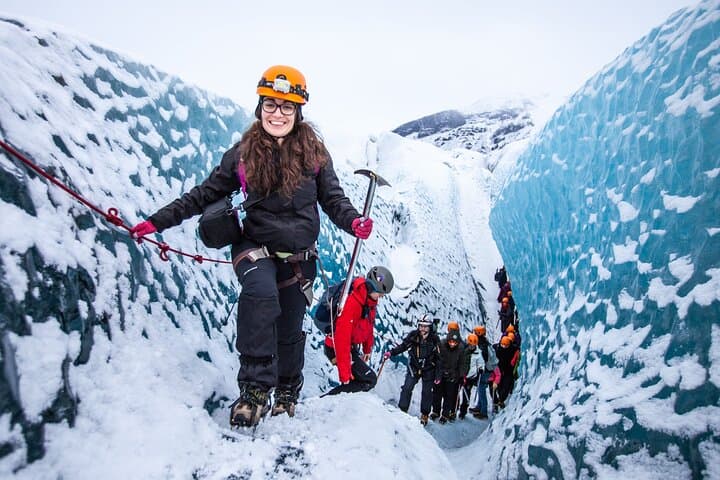
Beneath a sky of shifting light, Skaftafell’s ice reads like a map of time. This three-hour guided glacier hike mixes technical instruction with geology and culture: compact, safe, and unforgettable.
 Related story
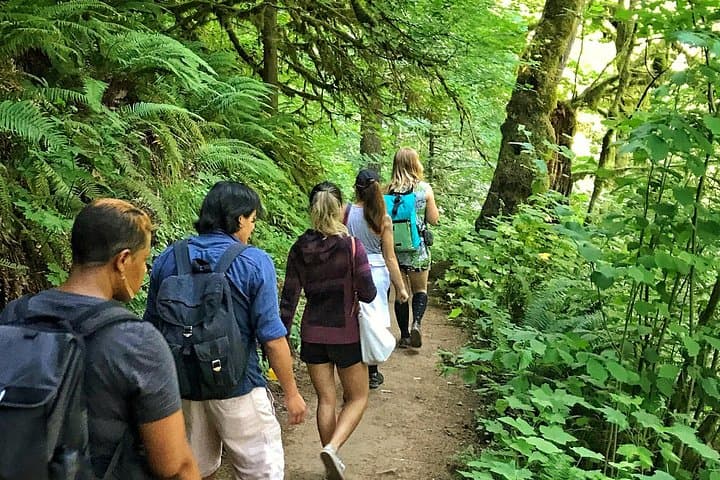
Lose the city for a few hours without leaving it: this 5-mile, 900-foot-gain Forest Park loop threads old-growth pockets, city viewpoints, and cultural landmarks for a compact taste of Portland’s wild side. Expect moss, roots, and stories.