
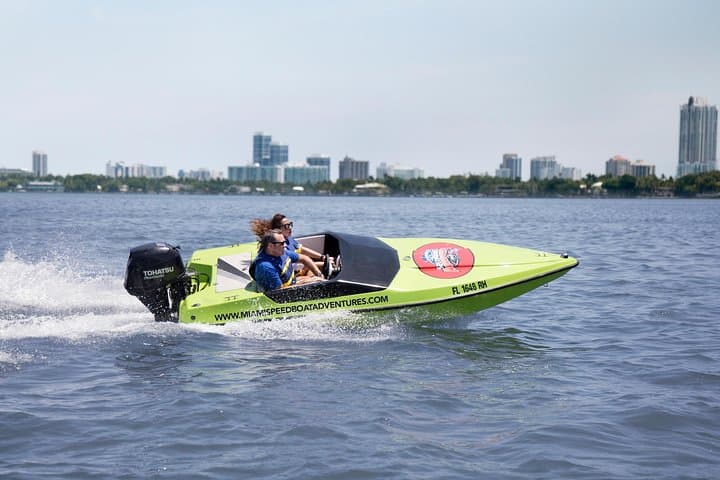
What the day feels like
The engines kick to life with a clean, insistent hum, and the harbor answers back — gulls wheel, a ferry yawns toward Fort Sumter, and the wake at your stern fans white against the Lowcountry light. For two hours you trade sidewalks and shaded oaks for salt spray and open sky, tracing a thirteen-mile ribbon of water past the Battery, the hulking silhouette of the USS Yorktown, and under the elegant cables of the Arthur Ravenel Jr Bridge. You are in control of an F13 speedboat; you will be given the simple instruction, then handed the throttle. For anyone who has ever wanted to feel how the city looks at 30 knots, this is the closest thing to flying a shoreline without leaving the water.
Charleston has always been a port city that tells its story from the water. The harbor is a layered narrative: cobbled mercantile prosperity, maritime war history, and a marsh ecology that makes the city both precarious and resilient. From the deck of a speedboat you can read those chapters simultaneously — musket scarred bricks of old forts, modern naval vessels that recall the World War II mobilization, and the living marshes that cradle shrimp boats at dawn. Guides point out the forts and tell stories about the USS Yorktown at Patriots Point, a carrier that now sleeps in steel silence but still commands attention as a museum of midcentury naval power.
Geology and tide shape the ride. The harbor is a tidal estuary fed by the Ashley and Cooper rivers; wide channels funnel current and conceal shoals in their shoulders. The Lowcountry itself is sedimentary — a coastline built on silt and time — so the shoreline is largely marsh until the city’s stone and brick bulwarks meet the sea. That proximity of city and salt is part of the thrill: one minute you can see antebellum mansions along the Battery, and the next the boat is skimming past Spartina grass and oyster beds that harbor seabirds and bottlenose dolphins.
This particular tour balances adrenaline and interpretation. The guide steers the first laps, offers a concise safety brief, and then hands the wheel to drivers 21 and older. No prior boating license is required, but the learning curve is real: reading the wind, leaning into turns, and respecting wakes near fragile shorelines. Along the way the guide narrates: Civil War flashes, the strategic importance of Fort Sumter where the first shots of the Civil War were fired, and the more muted history of the city’s maritime industries. There’s a local rhythm to how people move on the water here; shrimpers, ferry operators, and recreational boaters coexist on a stage set by tides.
Wildlife frequently interrupts the narrative with its own performances. Dolphins breach in sideways wakes; brown pelicans plunge in slow-motion arcs to the surface; herons and egrets stand like sentinels on pilings. The boat’s cabinetry and low profile feel intentionally built for observation. It’s an up-close way to appreciate Charleston’s ecology and its vulnerability. The marshes buffer storm surges and support fisheries, and even in two hours it’s possible to feel their importance — both to the city’s character and its future.
For travelers, the appeal is simple and immediate. This is a high-impact, low-time-commitment adventure: two hours of speed, stories, and shoreline vistas that set up an afternoon of exploring the city on foot. It’s social too; groups can split driving duties and anyone can ride shotgun for photos. The experience is accessible — no previous boat handling is required — but it’s honest about risk: weather can curtail runs, and captains enforce safety rules, including a minimum age to drive.
Practicalities matter here. Book a morning slot in spring or fall for glassy water and temperate air; mid-summer afternoons bring heat, humidity, and boat traffic. Bring a small dry bag for your phone and a layer for wind; even on warm days the wind off the harbor can bite. Expect light motion from the wake and occasional spray that’s part of the joy. For history lovers, bring a curiosity for naval and Civil War history; for wildlife watchers, pack polarized sunglasses and a telephoto if you want tight dolphin frames.
There is a civic spirit in the Lowcountry that shows up after the boat is docked. Walk the Battery, take a short ferry to Fort Sumter, or head across the Ravenel Bridge to Patriots Point museum. Local chefs source shellfish and seafood from these same waters; a post-tour lunch at a waterfront spot to taste the harbor’s bounty is practically mandatory. And beyond the immediate pleasures, this tour is a clear reminder: Charleston is as much a maritime place as it is a cultural one. When you leave the boat you bring back a new perspective of the city — one that makes the bricks and balconies of the historic district read like a map of tides and trade routes.
Trail wisdom
Small choices, better day.
Bring a small dry bag
Protect phone and camera from spray with a compact dry bag; it fits under the console and keeps electronics safe.
Wear polarized sunglasses
Polarizers cut glare and make it easier to spot dolphins and submerged shoals.
Arrive early for the safety briefing
There’s a short instruction period before driving; being on time ensures you get full orientation and time on the water.
Layer for wind
A lightweight windbreaker prevents chill from spray even on warm days.
Local knowledge
Read the place, not just the route.
Watch for native species including Bottlenose dolphin, Brown pelican.
Keep an eye out for wildlife during the transition between areas and habitats. Respect distance guidelines.
The harbor’s marshes are essential coastal buffers; operators minimize shore wakes and follow guidelines to avoid disturbing nesting birds and shoreline habitats.
Follow the guide's instructions on size limits, ethical handling, and leave-no-trace practices.
Shem Creek marsh channels on the Mount Pleasant side for quiet wildlife viewing. A waterline perspective of Rainbow Row and the Battery for uncommon architectural photos
Locally recommended viewpoints and quiet spots known best to local operators.
Charleston Harbor includes Fort Sumter, where the first shots of the American Civil War were fired in 1861, and Patriots Point hosts the WWII-era USS Yorktown museum.
Maritime roots and regional tradition shape the waterways and working coasts.
Seasonal guide
Four versions of the same landscape.
Spring
Best forComfortable temperatures · Wildlife sightings · Calm mornings
ChallengesOccasional rain showers · Busy holiday weekends
Spring offers mild weather and active wildlife; mornings are often glassy, making it ideal for photos and dolphin spotting.
Summer
Best forLate sunsets · Lively harbor atmosphere · High boating activity
ChallengesHigh heat and humidity · Afternoon thunderstorms
Summer is lively but hot; early tours avoid the worst heat and afternoon storms common to the season.
Fall
Best forCrisp air and clearer skies · Migration birdwatching · Pleasant day trips
ChallengesIncreasing boat traffic on weekends
Fall brings stable weather and excellent visibility, a great time for both history buffs and photographers.
Winter
Best forQuiet harbor runs · Clear light for photography
ChallengesCooler temperatures and wind · Limited wildlife activity
Winters are quieter on the water with brisk air; dress warmly for the wind and shorter daylight hours.
Pack with intention
What to bring.
Good to know
Common questions.
No prior experience is required; guides provide a safety briefing and hands-on instruction before you drive.
Plan the edges
The details that make the day easier.
Fort Sumter, located in Charleston Harbor, is where the first shots of the American Civil War were fired on April 12, 1861.
After the tour, head to Shem Creek for waterfront seafood and sunset views or return to downtown Charleston for oysters at Fleet Landing or a beer at Holy City Brewing. For a historic cooldown, walk the Battery and grab a pastry on King Street.
- Closest airport
- Charleston International Airport (CHS) — ~20 minutes
The harbor’s marshes and oyster beds support local fisheries and protect shorelines—avoid throwing waste overboard, respect no-wake zones near marshes, and choose operators committed to marine-friendly practices.
Explore by topic
Follow the threads.
Keep exploring
Make the story part of the trip.
Set out from Bass Harbor for a private, customizable day on Blue Hill Bay — lighthouses, puffins, seals, and the chance to feel Acadia from the water. Small groups, local captains, unforgettable views.
In four hours you can move from shaded canyon ferns to wind-scoured coastal ridgelines, guided by someone who knows where the light—and the hidden views—live. This private half-day hike on the Monterey Peninsula or Big Sur is compact, curated, and perfect for travelers who want depth without a multiday commitment.
 Related story
Beneath a sky of shifting light, Skaftafell’s ice reads like a map of time. This three-hour guided glacier hike mixes technical instruction with geology and culture: compact, safe, and unforgettable.