
What the day feels like
Lake Superior wakes early and on its own terms. At Meyers Beach, the lake lifts a gentle shoulder of swell against the red sandstone cliffs, testing your balance before you even touch water. Guides sort paddles along the sand, wetsuits whisper as they’re zipped, and gulls heckle from above like impatient timekeepers. When you push off, the lake says go—and you go—gliding toward the famous Mainland Sea Caves, where arches inhale, grottos blink, and echoing chambers dare you to paddle deeper. This is the Sea Caves Full Day tour, a 6–7 hour tandem kayak journey that strings together the most intricate shoreline on the Apostle Islands mainland. It’s not rushed. It’s not a sprint. It’s a generous circuit through geology that moves at a wave’s pace.
The route sets off from Meyers Beach, a half-hour west of Bayfield, Wisconsin. After a concise, confidence-building tutorial on strokes, steering, and safety, tandem kayaks nose into Mawikwe Bay and the first shallow portals. The lake pushes forward; the cliffs answer back with a bassline thunk. As you round a point, doorways multiply—honeycombed chambers, low slots, and vaulted amphitheaters. In calm conditions your guide threads the group through; you feel the cool breath of the rock as the caves draft wind, and you watch reflected light ripple like scales along the ceiling. This is where Lake Superior shows a bit of attitude: a shoulder of swell can lift you six inches, then drop you with a teasing slap. It keeps you honest, and it keeps you present.
These temples of stone are the work of patient forces. The Apostle Islands’ mainland shoreline is carved from the Bayfield Group’s soft red sandstone—ancient sediment laid down long before the Great Lakes existed. Freeze-thaw cycles pry open tiny fractures; storm waves gnaw at the weakest seams. Over centuries, cracks become chambers. Some arches ring with cliff swallows in summer; others cradle green water as clear as air. Peregrine falcons patrol the upper ledges. Bald eagles claim roofline perches as if assessing permits.
Culture runs as deep as the rock. This is the homeland of the Ojibwe (Anishinaabe) people, who have navigated these waters for generations. The modern National Lakeshore, established in 1970, protects 21 islands and the sculpted mainland—one of the most distinctive coastlines in the Midwest. The sea caves, though famous in winter when thick ice occasionally allows foot access, are summer’s story too. From the cockpit of a kayak, the scale sharpens; you feel the caves’ breathing rhythm and hear your own paddle’s cadence settle into it.
A full-day tour gives you something rare here: time. Once you pass the half-day turnaround point, crowds thin, and the shoreline grows quieter. A protected sand beach becomes your dining room, where a catered spread—think fresh sandwiches, fruit, crostini, and cookies—awaits. Shoes off, paddle shafts recline, and Lake Superior relaxes its shoulders for a moment. Lunch is more than calories; it’s a reset that lets you explore the return leg with fresh arms and steadier strokes. On the way back, the light swings around, shifting the caves’ mood. What looked shadowed now glows; what felt imposing now invites. If the lake approves, guides will pull into different features so you see the full spectrum of the coast’s personality.
Expect to paddle 6–8 miles total depending on conditions and route decisions. The pace is deliberate and social, designed for adventurous first-timers and experienced paddlers alike. You’ll be in tandems for stability and efficiency, and you’ll wear a wetsuit if air and water temps call for it—Lake Superior is cold even in July. There are stairs down to the beach at the start and finish, and guides appreciate a hand carrying boats, though it’s not required.
Basecamp for all of this is Bayfield, a small harbor town with a big-spirited waterfront, orchard views, and easy access to outfitters. If you want a primer or to talk through the nuances of lake conditions and route options, connect with our <a href="https://app.advcollective.com/local-experts/sea-caves-full-day-bayfield-wisconsin">local experts for the Sea Caves Full Day</a>. They’ll walk you through weather windows, gear lists, and what the caves are doing this week. When you’re ready to commit, the same <a href="https://app.advcollective.com/local-experts/sea-caves-full-day-bayfield-wisconsin">Sea Caves Full Day guide page</a> is a smart launch point for planning.
Timing matters. Mornings are typically calmer; afternoons can invite a chop that adds texture and challenge. Guides make real-time calls on where to go and how far to push—it’s their job to read Superior’s moods and keep the day safe. If the lake shows teeth—high wind, building waves, or storms—your itinerary may adjust or a weather cancel may be called, with rescheduling or refunds available. Give yourself flexibility in your Bayfield stay to chase the best window; the lake rewards patience.
Photography is its own sport here. A wide-angle lens tells the cave story; a polarized filter knocks glare off emerald water; and a dry bag saves your camera from the lake’s sudden humor. Look for reflected light at midday when the sun bounces off the water and paints the ceilings; look for silhouettes when a paddler is framed by an arch. Keep your strokes quiet when you can—sound travels in stone.
In a region often defined by still forests and quiet towns, the sea caves are kinetic. The lake nudges; the wind negotiates; the sandstone listens. A full day weaves you into that conversation, long enough to learn the cadence, steady enough to feel like you belong in it.
Trail wisdom
Small choices, better day.
Dress for the lake, not the air
Superior stays cold year-round; pack quick-dry layers and be prepared to wear a wetsuit if conditions require it.
Sync your strokes
Tandem kayaks reward rhythm—match cadence with your partner and let the boat’s glide do the work.
Respect the caves’ mood
Only enter features your guide approves; surge can change quickly at cave mouths even on calm days.
Mind the stairs
There are flights of stairs to reach Meyers Beach; carry what you need and lend a hand with boats if you’re able.
Local knowledge
Read the place, not just the route.
Watch for native species including Peregrine falcons, Bald eagles.
Keep an eye out for wildlife during the transition between areas and habitats. Respect distance guidelines.
This shoreline is protected by the National Park Service—pack out all waste, avoid landing on fragile ledges, and give nest sites wide berth.
Follow the guide's instructions on size limits, ethical handling, and leave-no-trace practices.
Mawikwe Bay Overlook on the Meyers Beach Trail for a bird’s-eye view of the caves. Lost Creek Falls, a short inland hike with a walk-behind waterfall near Cornucopia
Locally recommended viewpoints and quiet spots known best to local operators.
Apostle Islands National Lakeshore was established in 1970 to protect 21 islands and a sculpted mainland coast long stewarded by the Ojibwe (Anishinaabe).
Maritime roots and regional tradition shape the waterways and working coasts.
Seasonal guide
Four versions of the same landscape.
Spring
Best forFewer crowds · Crisp visibility
ChallengesCold water · Changeable wind · Limited warm days
Expect cold water and variable weather; dry layers and wind protection are critical. Tours run as conditions allow.
Summer
Best forWarmest air temps · Calmer morning paddles
ChallengesAfternoon thunderstorms · Higher visitation
Peak season with the best odds for stable lake conditions. Book early and target morning departures.
Fall
Best forVibrant shoreline colors · Clear, crisp air
ChallengesStronger winds · Shorter daylight
Cooler days and punchier winds demand solid layers and flexible timing. Spectacular color contrasts on sunny days.
Winter
Best forLand-based views · Regional ice cave updates
ChallengesNo sea kayaking tours · Extreme cold
Sea kayaking pauses for winter. Watch NPS alerts for rare ice cave access by foot and explore local trails above the cliffs.
Pack with intention
What to bring.
Good to know
Common questions.
Guides may require wetsuits based on water and air temperatures. Lake Superior is cold even in summer; the goal is warmth and safety.
Plan the edges
The details that make the day easier.
The Apostle Islands National Lakeshore contains the largest and most complete collection of historic lighthouses in the National Park System.
After paddling, refuel in Bayfield with house-made pastries and coffee at Cafe Coco (your lunch caterer), fresh-catch dinners at The Copper Trout, and a lakeside pint at Adventure Club Brewing. If the evening is clear, catch a show at Big Top Chautauqua for a uniquely Northwoods night under canvas.
- Closest airport
- Duluth International (DLH), ~2 hours by car; Trailhead: Meyers Beach parking on County Hwy C near Cornucopia; Drive time: ~30–35 minutes from Bayfield; Cell service: Spotty to none at the beach; Permits
- fees
- NPS day-use parking fee at Meyers Beach; outfitter holds required guide permits.
These caves sit within Apostle Islands National Lakeshore—pack out all trash, use reef-safe sunscreen, and maintain distance from nesting birds and fragile ledges. Let the rock and lake keep their natural rhythms.
Explore by topic
Follow the threads.
Keep exploring
Make the story part of the trip.
In four hours you can move from shaded canyon ferns to wind-scoured coastal ridgelines, guided by someone who knows where the light—and the hidden views—live. This private half-day hike on the Monterey Peninsula or Big Sur is compact, curated, and perfect for travelers who want depth without a multiday commitment.
 Related story
Beneath a sky of shifting light, Skaftafell’s ice reads like a map of time. This three-hour guided glacier hike mixes technical instruction with geology and culture: compact, safe, and unforgettable.
 Related story
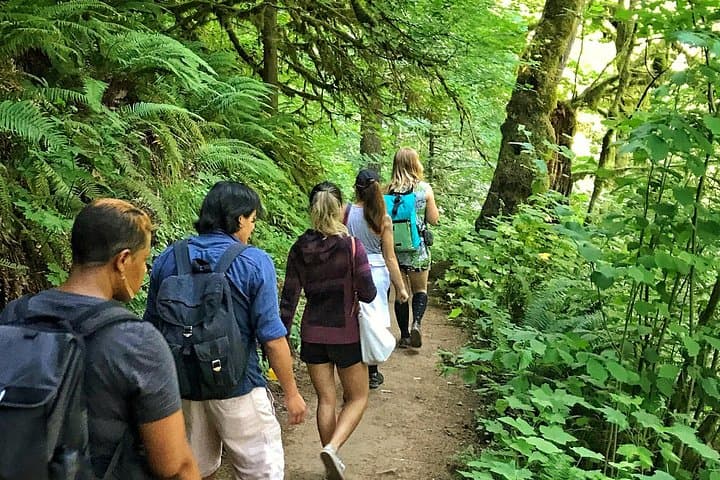
Lose the city for a few hours without leaving it: this 5-mile, 900-foot-gain Forest Park loop threads old-growth pockets, city viewpoints, and cultural landmarks for a compact taste of Portland’s wild side. Expect moss, roots, and stories.