
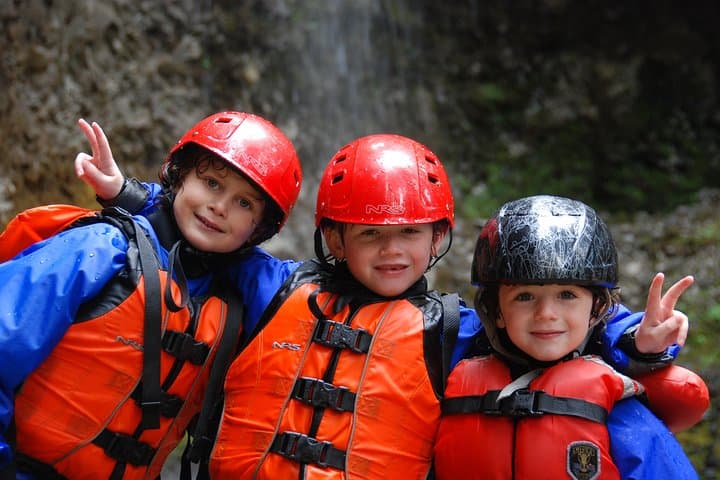
What the day feels like
The raft noses into a green throat of the Clearwater River, and for a few quiet seconds the canyon seems to hold its breath. Pine slopes lean in like curious spectators; sunlight threads between columns of volcanic rock and sets the current glinting. Then the river remembers itself—riffles drum against the hull and the guide’s voice calls a steady cadence. Paddles dip, water pushes, and the family laughs, half surprise and half delight. In 3.5 hours you’ll move with the river from calm pools to playful class 1–3 rapids, and by the time the put-in slides away you understand why this stretch is a favorite first taste of whitewater for kids and grown-ups alike.
Wells Gray Provincial Park wears its geology on its sleeve. The canyon walls that frame this rafting run are the result of ancient lava flows and ice-age sculpting; basalt and scoria buttress the river in places and crumble into talus in others. The Clearwater River itself is an honest mountain river—clear, cold, and quick to remind you it’s in charge. The park’s nickname—“Waterfall Park”—is earned: steaming columns of mist from Helmcken Falls and a scattering of smaller cascades speak to an energetic watershed. Local Indigenous communities have long known this landscape as a place of harvest and travel; later settlers used the river corridors for logging and transport, and today guided outfitters carry families through that layered history with both safety and reverence.
The Family Friendly Whitewater Rafting trip is designed to remove friction from the adventure. It’s a 3.5-hour excursion tailored to families and casual adventurers, with two departures daily so you can split a day between rafting and a park hike—Candle Creek Falls is often available as a post-raft option when water levels allow, and some groups will even pause for a controlled cliff jump where it’s safe. The rapids are classic introductory whitewater: enough push to wake your muscles and your grin, but not so much that kids feel overwhelmed. Guides manage lines, point out geological features, and intermittently let the current dare you forward—the river personified, nudging and then rewarding your attention.
Practicality is baked into the itinerary. Expect roughly 3.5 hours on the water, with safety briefings and water-ready gear provided by the outfitter. The tour lists a per-person starting price (currently from USD 135.99), instant confirmation, and solid guest ratings—families praise the approachable pace and the chance to see Wells Gray’s volcanic canyons from an angle that hiking alone can’t match. The experience is seasonal and water-level dependent: spring melt raises the excitement but can close options like cliff jumping, while late summer offers calmer flows and warmer air temperatures.
For those thinking ahead: wear a swimsuit under quick-drying layers, neoprene booties if you have them, and a wind layer for the shaded canyon sections. Bring a waterproof camera or a secure dry bag for your phone; compositions are everywhere—riffled foregrounds, basalt cliffs, and sun-dappled trees. If you’re traveling with small kids, discuss comfort and cold tolerance with your guide; most operators supply appropriately sized life jackets and helmets.
The cultural payoff of this trip is twofold. You’re moving through a protected landscape with deep geological time in its rocks and a living community in its towns—Clearwater sits at the park’s door and is a practical, friendly staging area for exploring. Local guides double as interpreters of place, passing along stories about the land, cautionary notes about river etiquette, and tips for post-rafting treats: a steaming cup of local coffee, a picnic by the river, or a short hike to a nearby waterfall. The trip’s family focus also makes it one of the most accessible ways to introduce younger travelers to moving-water skills without turning a weekend into a logistics project.
If you go, consider timing your run for the morning to avoid the warmest part of the day and to see the canyon light at its most contrasty. Ask your outfitter about the option to hike to Candle Creek Falls or to arrange a longer day of park exploration afterward—Wells Gray’s higher-profile views, like Helmcken Falls, are close enough for a scenic detour. And leave time to breathe: the rhythm of the river tends to slow the mind in the best way.
This is not an extreme whitewater mission; it is a guided, thoughtful immersion into a river that’s equal parts playground and teacher. It invites conversation with your crew—kids shouting commands, parents laughing at the near-miss of a small rapid, guides imparting geology between strokes—and it leaves you with a usable confidence in whitewater movement. For families who want excitement without overreach and for travelers who want a concentrated window into Wells Gray’s wild heart, the Clearwater run offers a clear answer: take a seat in the raft and let the river show you its many faces.
Trail wisdom
Small choices, better day.
Wear layered quick-dry clothing
Temperatures can swing between shaded canyon sections and sunlit pools—dress in layers that dry fast.
Secure electronics in a dry bag
You’ll want photos but phones get wet—use a sealed dry bag or a waterproof case.
Listen to your guide
Guides choose lines and commands for safety and fun—follow their instructions during rapids and when boarding.
Arrive early for briefings
Check-in and safety talks are thorough—arriving early lets you sort gear without rushing.
Local knowledge
Read the place, not just the route.
Watch for native species including Bald Eagles, Beavers.
Keep an eye out for wildlife during the transition between areas and habitats. Respect distance guidelines.
Operators work under provincial guidelines to minimize shore disturbance—follow your guide and pack out all waste; avoid approaching wildlife too closely.
Follow the guide's instructions on size limits, ethical handling, and leave-no-trace practices.
Short hikes to lesser-known cascades along park service roads. Early-morning riverbanks at dawn—good for spotting birds and beavers
Locally recommended viewpoints and quiet spots known best to local operators.
Wells Gray Provincial Park formed in the early 20th century to protect a dramatic range of waterfalls and volcanic landscapes and has long been home to Secwepemc and Tsilhqot'in peoples.
Maritime roots and regional tradition shape the waterways and working coasts.
Seasonal guide
Four versions of the same landscape.
Spring
Best forHigh-energy rapids · Wildflower viewing · Fewer crowds
ChallengesCold water temps · Unpredictable flows
Spring brings higher flows and livelier rapids—great for excitement but expect chilly water and limited side-activities.
Summer
Best forWarm weather · Family-friendly conditions · Post-raft hikes
ChallengesHigher visitation · Lower afternoon flows
Summer is optimal for calmer flows, warmer air, and family-friendly scheduling; book early on peak weekends.
Fall
Best forCrisp light and colors · Quieter runs · Wildlife viewing
ChallengesShorter days · Colder mornings
Fall offers dramatic light and quieter rivers; plan for cooler mornings and bring warmer layers.
Winter
Best forOff-season planning and research · Nearby snow activities
ChallengesRiver trips do not operate · Park access limited
Rafting operators are seasonal—winter is for planning and exploring nearby winter-sport options rather than rafting.
Operator details
What the booking data adds.
Included
- ✓Professional guide
- ✓Detailed Safety Briefing
- ✓All necessary equipment
- ✓On River Training
Not included
- —Gratuities
- —Food and drinks
- —Souvenir photos (available to purchase)
Good to know
- ✓Not recommended for travelers with poor cardiovascular health
- ✓Not recommended for travelers with spinal injuries
- ✓Not recommended for pregnant travelers
- ✓Travelers should have at least a moderate level of physical fitness
- ✓Children (Under 19) must be accompanied by an adult
- ✓Swimsuit or shorts must be worn underneath the provided wet suit
- ✓Lace-up or secure water shoes are essential (you can borrow ours!)
- ✓Operate in all weather conditions
- ✓Guests must arrive 30 minutes before trip departure time
- ✓We reserve the right to alter trips when necessary
Pack with intention
What to bring.
Good to know
Common questions.
Most outfitters accommodate children aged 5–6 and up, but age minimums vary—check with the operator and disclose any special needs.
Plan the edges
The details that make the day easier.
Wells Gray Provincial Park contains over 40 named waterfalls, including Helmcken Falls, which drops about 141 meters (463 feet).
After the raft, head back to Clearwater for a coffee at the Visitor Centre or a picnic by the river; local lodges and cafes serve hearty fare—think baked goods, sandwiches, and West Coast comfort food that hits the spot after a wet morning.
- Closest airport
- Kamloops (YKA) ~140 km
- 1.5–2 hour drive; Driving distance from Clearwater town center to put-in
- typically 10–30 minutes; Cell service: intermittent in the park; Permits: check BC Parks for day-use fees; most operators provide transport and gear.
Support licensed outfitters, keep to designated launch sites and trails, pack out all trash, and avoid disturbing shoreline vegetation and nesting birds.
Explore by topic
Follow the threads.
Keep exploring
Make the story part of the trip.
 Related story
Less than two hours from Nairobi, Kereita Forest pairs hands-on canopy adventure with quiet montane trails and a sobering colonial history—perfect for families, teams, and curious travelers seeking a full-day pulse of nature.
Set out from Bass Harbor for a private, customizable day on Blue Hill Bay — lighthouses, puffins, seals, and the chance to feel Acadia from the water. Small groups, local captains, unforgettable views.
In four hours you can move from shaded canyon ferns to wind-scoured coastal ridgelines, guided by someone who knows where the light—and the hidden views—live. This private half-day hike on the Monterey Peninsula or Big Sur is compact, curated, and perfect for travelers who want depth without a multiday commitment.