
What the day feels like
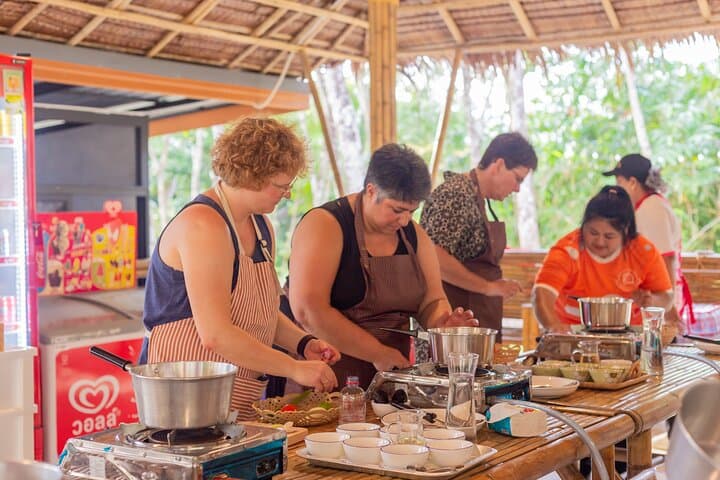
The morning opens with the hiss of oil in a wok and the distant rumble of engines. In a palm-flanked clearing outside Khao Lak, steam rises from clay pots while guides chain helmets onto handlebars. You move from the narrow, fragrant aisles of a local market—lime, galangal, and bunches of Thai basil stacked like small green flags—into a world where a hot plate and a muddy track are both part of the same itinerary.
This is not a curated theme-park version of Thailand; it’s compact, hands-on, and kinetic. On the cooking side you learn how to coax balancing acts of heat and acid—fish sauce, palm sugar, bird’s-eye chilies—into a single plate. On the ATV section you trade spatulas for throttles, following tracks that cut through rubber plantations, past cashew farms and mangrove fringes. The contrast is bracing: one moment you’re learning to pound curry paste, the next you’re negotiating a rutted trail while jungle humidity clings to your shirt.
Khao Lak sits on the Andaman Coast of Phang Nga Province and serves as a practical base for travelers heading to the Similan and Surin Islands. Geologically, the coastline is shaped by a low-lying shelf that drops offshore into coral-rich waters—hence the area’s diving reputation—and inland the terrain is soft soil and hillocks, ideal for small-scale agriculture and the tight, twisty trails ATVs thrive on. The region’s recent history is also part of the fabric: Khao Lak was among the communities most affected by the 2004 Indian Ocean tsunami, and rebuilding here is visible in local memorials and the organized resilience of beachfront villages.
Culture sits at the core of the day: markets in southern Thailand are social engines. Vendors—often family-run—will teach you to select the right kaffir lime leaf or to split young coconut. The cooking class portion connects you directly with these ingredients and the techniques used in daily Thai kitchens. The ATV ride, meanwhile, introduces you to the countryside that supports that food culture: farms that supply the markets, small temples tucked into roadside groves, and the occasional patch of primary coastal forest.
The tour claims a wildlife component—short encounters with elephants are often part of similar day-tours in the region. If your booking includes an elephant visit, ask in advance about the facility’s welfare standards: ethical encounters focus on observation and feeding, not performances or rides. Khao Lak’s wildlife is more often glimpsed in the roadside canopy—hornbills, macaques, and monitor lizards—than up close in a pen.
Practical side: the full experience runs about four hours, making it a half-day excursion that fits neatly into a larger Thailand itinerary. Expect a mix of low-impact culinary instruction (standing, prep, a few short seated breaks) and moderate physicality on the ATVs: the ride includes short bursts of technical terrain and longer stretches of gravel and dirt. The trail can be quick and bouncy in the dry season and boggy after rain.
Timing matters. Book morning departures to beat heat and afternoon storms; the air is clearer for photos, and the woks feel less oppressive when the sun is not directly overhead. If you plan a trip in the monsoon months, expect mud on the trails and the possibility of cancellations for safety.
Why go? It’s the efficient intimacy: a single, well-paced morning that gives you a real taste of Thai food culture and a rush of outdoor motion. It’s great for mixed groups—cooks and riders alike—because the day stitches together two very different kinds of memories: the tactile pleasure of breaking down herbs and the visceral grin that comes from leaning through a tight corner on an ATV. For travelers pressed for time but hungry for variety, this tour delivers.
Safety and ethics are part of the calculus. Helmets and basic safety gear are provided for the ATV portion; make sure gloves and closed-toe shoes are part of your kit. In the kitchen, follow food-safety guidance from instructors, particularly if you have allergies. And if there’s an elephant visit included, request detailed information about animal care—good operators will welcome questions about diet, working hours, and veterinary care.
What you’ll take away is straightforward: better knife and mortar technique, a handful of recipes you can replicate at home, and a memory of grasses and dust slapping past on a trail that feels lived-in rather than manufactured. Back in Khao Lak town that evening, the scent of street seafood grills and the glow of market lights make for a perfect bookend to a day that spans both culture and motion.
If you’re planning this as part of a longer southern Thailand trip, pair it with a day on the Similan or Surin Islands for diving, or add a mangrove paddle in nearby Phang Nga Bay to see a wetter, quieter side of the landscape. For anyone who likes their travel brisk, hands-on, and honest, this half-day combo punches well above its weight.
Trail wisdom
Small choices, better day.
Book a Morning Slot
Morning departures avoid midday heat and afternoon downpours and give you clearer light for photos.
Wear Closed-Toe Shoes
ATV trails are dusty and can be muddy; sturdy shoes protect your feet and offer better control.
Bring Insect Repellent
Rural trails and market areas can have mosquitoes, especially near mangroves or after rain.
Ask About Elephant Welfare
If the tour includes elephants, request details on how animals are cared for and what activities are allowed.
Local knowledge
Read the place, not just the route.
Watch for native species including Asian Elephant (at regulated facilities), Long-tailed Macaque.
Keep an eye out for wildlife during the transition between areas and habitats. Respect distance guidelines.
Coastal waters near Khao Lak are gateways to protected marine parks—choose operators who support reef-friendly practices and ethical wildlife interactions.
Follow the guide's instructions on size limits, ethical handling, and leave-no-trace practices.
Bang Niang Market for late-afternoon street food and local snacks. Small temple groves along inland roads for quiet shade and local architecture
Locally recommended viewpoints and quiet spots known best to local operators.
Khao Lak was heavily impacted by the 2004 Indian Ocean tsunami; memorials and resilient rebuilding are part of the local narrative.
Maritime roots and regional tradition shape the waterways and working coasts.
Seasonal guide
Four versions of the same landscape.
Spring
Best forCulinary markets · Dry trail conditions · Fewer rains than summer
ChallengesRising temperatures · Hazy skies in late spring
March–May is hot; morning tours are best to avoid peak heat and take advantage of drier trails.
Summer
Best forLush vegetation · Lower shoulder-season prices
ChallengesMonsoon rains, muddy trails · Intermittent cancellations
June–August brings heavier rain; expect soft, slippery tracks and plan for flexible scheduling.
Fall
Best forClearing skies · Comfortable evenings · Good diving offshore
ChallengesResidual rain early in the season · Variable trail conditions
September–November is transitional—late fall offers clearer days and cooler mornings.
Winter
Best forCool, dry weather · Clearer ocean visibility · Peak travel season
ChallengesHigher tourist numbers · Advance bookings required
November–February is the most pleasant time: cool mornings and reliable dry trails—book in advance.
Pack with intention
What to bring.
Good to know
Common questions.
The full experience runs about four hours from start to finish—long enough for a market visit, a hands-on cooking session, and an ATV ride.
Plan the edges
The details that make the day easier.
Khao Lak is a common launch point for trips to the Similan Islands, one of Thailand’s most renowned marine national parks.
After your tour, head to a local food stall or Bang Niang market for fresh seafood and a cold Chang beer; try local specialties like tom yam and massaman curry to compare with what you learned in class.
- Closest airport
- Phuket International Airport (~1.5–2 hour drive). Meeting point: usually hotel pickup in Khao Lak. Driving distance from nearest town: central Khao Lak hotels typically 10–30 minutes from rural trail start points. Cell service: generally reliable in town, patchy on some trails. Permits: none, but operators require waivers and may have age
Support operators who prioritize reef-safe practices and humane elephant care; avoid tours that offer riding or performance-based animal interactions and take all litter with you.
Explore by topic
Follow the threads.
Keep exploring
Make the story part of the trip.
In four hours you can move from shaded canyon ferns to wind-scoured coastal ridgelines, guided by someone who knows where the light—and the hidden views—live. This private half-day hike on the Monterey Peninsula or Big Sur is compact, curated, and perfect for travelers who want depth without a multiday commitment.
 Related story
Beneath a sky of shifting light, Skaftafell’s ice reads like a map of time. This three-hour guided glacier hike mixes technical instruction with geology and culture: compact, safe, and unforgettable.
 Related story
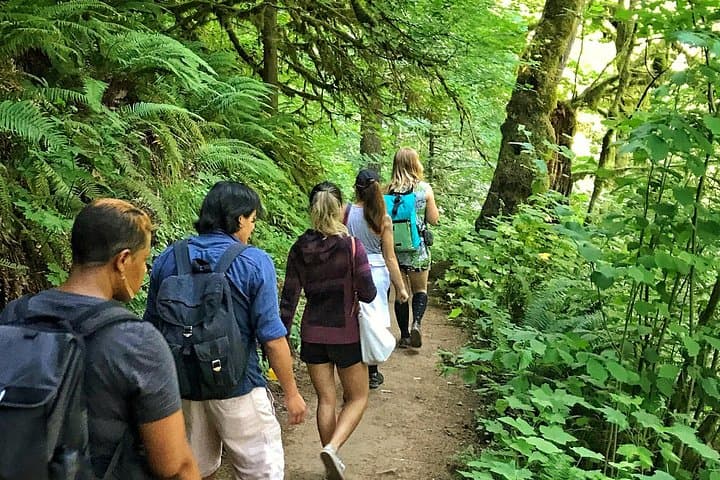
Lose the city for a few hours without leaving it: this 5-mile, 900-foot-gain Forest Park loop threads old-growth pockets, city viewpoints, and cultural landmarks for a compact taste of Portland’s wild side. Expect moss, roots, and stories.