
What the day feels like
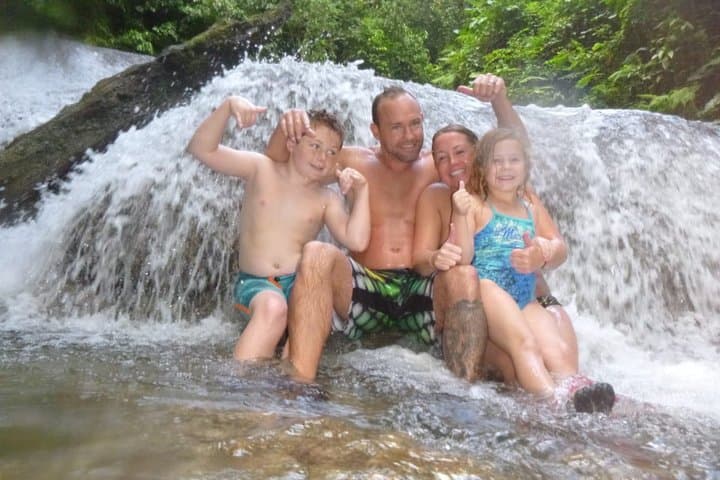
The first time the river opens up, it feels like the landscape took a breath. You step off the shaded trail and the sound changes—water tumbling over limestone, a chorus of frogs and an occasional laugh from other visitors. Sunlight slices through the canopy in thin gold ribbons, and below, a series of terraced pools collects the clear, tropical river. This is Benta River Falls: a quieter cousin to Jamaica’s more famous cascades, where the water dares you with calm eddies and cool plunge spots. It’s the kind of place that rewards pace—slow wading, an accidental slip that turns into a splash, a guide telling the story of the land as if it were personal history.
Your day begins in Montego Bay, picked up from your hotel by a driver who knows the roads and the rhythm of Jamaican travel. The tour unfolds like a two-act play: first the inland intimacy of Benta, then the coastal spectacle of Negril’s Rick’s Café where the ocean pushes up against a band of coral cliffs and the sunset stages its own crescendo. At Benta, there’s time to explore the pools, walk a short trail along the riverbank, and take the occasional leap from a low rock. The temperature of the water is pleasant—inviting, not shocking—and the black volcanic rock and limestone channel the flow into natural basins, perfect for a midday dip.
Geology and history are stitched through the experience. The falls occupy a landscape carved from limestone and the slow habit of Caribbean rivers cutting through coral-rich bedrock. These waterways once served settlements and plantations; sugar and rum reshaped the coastlines and communities here. Guides often mention the old plantation trails, the stories of the workers who knew every bend of the river, and how today those paths have become routes for visitors seeking fresh water and shade.
Then the tour pivots west toward the coast and Negril’s famous bluffs. Rick’s Café is less a restaurant and more a ritual: a place to eat, drink, and watch people jump. Generations of travelers have made a pilgrimage to this cliffside bar to time their visit with sunset. High-season afternoons here are a carnival of cliff divers—locals show off practiced arcs while cameras click—and glass-bottom boats bob along the water for an optional ride if you want to see the reef without getting salt in your ears.
The pace of the day is unhurried by design. This is not a race through photo stops; it’s a measured experience that includes entrance fees and hotel pickup and returns with enough daylight to consider your next evening plans. Expect about five to six hours for the whole outing. That window gives you breathing room: a leisurely swim at Benta, a rinse, and a plate of fresh fish or jerk chicken at Rick’s (lunch and drinks at your own expense), plus time to stand at the cliff’s edge when the sun slides toward the horizon.
Practical details matter. Footing at the falls is uneven—bring closed-toe water shoes or grippy sandals. Pack a dry bag for your phone and wallet, and a biodegradable sunscreen to protect coral reefs. If you’re prone to sun in the afternoon, aim for a morning pickup when the inland trails are cooler, or plan to sit in the shade until later. The optional glass-bottom boat at Rick’s Café is a nice add if you want to learn about the coastal reefs without snorkeling gear; check pricing with your guide.
For travelers, this tour is ideal for mixed groups—families, couples, and small friend groups—because it balances easy river play with a social sunset scene. It’s accessible to most people in average fitness: there are short walks, a few small climbs over rocks, and time to rest. What you won’t find here is a long, steep trail demanding summit-level conditioning. Instead, you get the kind of day that connects mountain-fed water with ocean edge spectacle—two distinct Jamaican moods rolled into a single afternoon.
Local insight can deepen the trip. Ask your driver about roadside stands that sell sweet potato pudding or patties on the way to the falls. At Benta, follow the guide’s lead on safe places to jump and where the shallow pools are best for lounging. At Rick’s, order a cold Red Stripe and a plate of grilled snapper while you find a spot on the terrace—the people-watching is as much of the show as the sunset.
If you plan to go, think about timing and weather: Jamaica’s dry season—December through April—offers the clearest skies and calmest seas, while summer brings afternoon showers and, between June and November, the risk of storms that can buffet the coast. Book a morning pick-up in hotter months and keep a flexible return plan if weather shifts.
This day tour is as much about rhythm as it is about sights. There’s the slow cadence of a river inviting you to cool off, then the pulsing energy of cliff-side cocktails and photographers chasing light. It’s a compact, approachable way to experience two faces of Jamaica—freshwater quiet and coastal theater—without changing hotels or packing more than a small daypack. If you want a single-day snapshot that mixes nature, local culture, and an iconic sunset, this one delivers with a measured, friendly pace.
Trail wisdom
Small choices, better day.
Wear grippy water shoes
Rocks at Benta are slippery and uneven—closed-toe water shoes protect your feet and give better traction.
Bring a dry bag
Protect your phone, wallet, and a light camera from river splashes and ocean spray.
Carry biodegradable sunscreen
Reef-safe sunscreen helps protect marine life if you take a boat or swim near the coast.
Plan for lunch costs
Lunch and drinks at Rick’s Café are not included—budget accordingly for seafood or local plates.
Local knowledge
Read the place, not just the route.
Watch for native species including Brown pelican, Herons and freshwater fish.
Keep an eye out for wildlife during the transition between areas and habitats. Respect distance guidelines.
Respect coral and shoreline habitats by using reef-safe sunscreen, avoiding standing on reefs, and packing out all trash.
Follow the guide's instructions on size limits, ethical handling, and leave-no-trace practices.
Bluefields Beach—quieter local beach with fresh seafood stands. Roadside jerk stands between Montego Bay and Negril for authentic snacks
Locally recommended viewpoints and quiet spots known best to local operators.
The coastal and inland communities were shaped by plantation-era routes and river access—many modern trails follow former plantation roads.
Maritime roots and regional tradition shape the waterways and working coasts.
Seasonal guide
Four versions of the same landscape.
Spring
Best forDry weather · Calmer seas · Clear sunsets
ChallengesHigher visitor numbers · Stronger midday sun
Spring (March–May) offers warm, mostly dry days—ideal for river swims and cliffside sunsets but expect more visitors and bright sun.
Summer
Best forLush river scenery · Long daylight · Lower airfare in parts of the season
ChallengesAfternoon showers · Hurricane season risk
Summer brings vibrant green landscapes and longer days, though afternoon storms are more common and the hurricane window opens in June.
Fall
Best forFewer crowds · Lush scenery · Good wildlife viewing
ChallengesHigher chance of rain · Variable sea conditions
Fall can be quieter with lush waterways, but keep an eye on weather forecasts during the wetter months.
Winter
Best forDry, cool breezes · Clear water visibility · Prime sunset conditions
ChallengesHigher tourist demand · Slightly cooler mornings
Winter (Dec–Feb) is the island’s high season—dry, comfortable, and often the best time for clear coastal sunsets.
Operator details
What the booking data adds.
Included
- ✓Private transportation
- ✓Entry/Admission: Rick's Cafe
- ✓Entry/Admission- Benta River Falls
- ✓Air-conditioned vehicle
- ✓ENTRANCE FEE
- ✓Hotel Pickup and Dropoff
Not included
- —Gratuities
Good to know
- ✓Infants are required to sit on an adult’s lap
- ✓Specialized infant seats are available
- ✓Suitable for all physical fitness levels
- ✓Infant seats are available upon request
- ✓Bring Water shoes, towels, change of clothes and sun block(if needed).
Pack with intention
What to bring.
Good to know
Common questions.
Expect about 5–6 hours total, including hotel pickup, time at Benta River Falls, and a stop for lunch and sunset at Rick’s Café.
Plan the edges
The details that make the day easier.
Rick’s Café in Negril has been a world-famous sunset destination since the 1970s and helped popularize Negril’s cliff-jumping tradition.
After the falls, head to Rick’s Café for grilled seafood and a cold local beer; for a quieter meal, try roadside jerk stands between Negril and Montego Bay or seaside shacks in nearby towns for authentic flavors.
- Closest airport
- Sangster International Airport (MBJ) in Montego Bay; Typical driving time to Rick’s Café from Montego Bay: ~1.5–2 hours; Cell service: reliable in towns, spotty at some river sites; Permits
- fees
- Entrance to Benta River and Rick’s Café entry fee included in this tour.
This tour visits fragile freshwater and coastal ecosystems—pack out all trash, use reef-safe sunscreen, and avoid stepping on coral or disturbing shoreline vegetation.
Explore by topic
Follow the threads.
Keep exploring
Make the story part of the trip.
Set out from Bass Harbor for a private, customizable day on Blue Hill Bay — lighthouses, puffins, seals, and the chance to feel Acadia from the water. Small groups, local captains, unforgettable views.
In four hours you can move from shaded canyon ferns to wind-scoured coastal ridgelines, guided by someone who knows where the light—and the hidden views—live. This private half-day hike on the Monterey Peninsula or Big Sur is compact, curated, and perfect for travelers who want depth without a multiday commitment.
 Related story
Beneath a sky of shifting light, Skaftafell’s ice reads like a map of time. This three-hour guided glacier hike mixes technical instruction with geology and culture: compact, safe, and unforgettable.