
What the day feels like
The tide exhales and the bay answers. Frenchman Bay presses a cool hand against the hull as your kayak noses into a corridor of spruce-tipped islands, the water a smoky green that flashes silver when the sun breaks free of a passing cloud. A gull laughs overhead, a lobster boat growls past on its morning rounds, and your guide’s voice—steady, confident—threads through the salt-bright air: blades in, blades out, feel the boat glide. The ocean sets the pace, nudging you along the scalloped edge of Bar Harbor’s working waterfront toward the wild hush of the Porcupine Islands.
This is four hours of simple rhythm—pull, release, glide—that grows into something deeper as the coastline unspools. On the Kayak Tour-Half-Day, Registered Maine Guides lead you across roughly five miles of protected water with a quiet competence that lets you settle into the experience. The bay has personality. It can be playful in summer, glassing over in the early light and daring you with a breeze that ruffles the surface by afternoon. It can be firm when a tide swing pushes through the gut between islands, urging your bow to commit. But most days here are kind, and the guides know how to read the water like a familiar novel.
Bar Harbor has long been a place where people trade land for water. The Wabanaki paddled these routes in birchbark canoes for millennia, moving among islands for food, trade, and ceremony. In the late 1800s, rusticators and artists arrived seeking cool air and granite drama, and what is now Acadia National Park took shape from a patchwork of private conservation and public vision. Frenchman Bay tells that layered story in its geology—granite ledges spun smooth by the last ice age, dark seams of basalt slicing through pink Cadillac Mountain granite, coves shaped by a patient sea—and in its current human rhythm: lobster traps set with care, skiffs shuttling out at first light, and kayaks drawing slim ink lines across quiet water.
On most tours, you’ll slip away from the harbor’s bustle within minutes. Out among the islands, spruce and fir crowd the shorelines, leaning into the wind like old friends. Cormorants stand gothic and still on sun-bleached rocks. Harbor seals pop up like punctuation, then vanish with a wink of whiskers. If you’re lucky, a porpoise will shoulder past, casual as a neighbor on a morning walk. The route changes with conditions, but there’s usually a shore stop on a small island where you can stretch your legs, walk among the tide pools, and listen to the rattle of periwinkles as the tide pushes forward. Your guides carry the essentials—PFDs, spray skirts, and dry bags—so you can focus on the water. Bring snacks, water, a camera, and sun protection; the ocean reflects and amplifies whatever the sky is doing.
There’s a pleasing practicality to this outing. It’s designed to welcome first-timers and satisfy seasoned paddlers who want a half-day hit of coastal Maine. You’ll get quick, clear coaching on forward strokes, sweep turns, and how to ride the edges of wind and current without fighting them. The guides keep the group moving safely and steadily, and nature does the rest. An island hop, a glimpse of a bald eagle riding a thermal over the ridge, the clean slap of tide against rock—you get the highlight reel without having to manage logistics.
The closer you look, the more the bay reveals. Eider ducks low-ride the swells, their soft crooning a soundtrack if you drift quietly enough. Kelp gardens lift and fall beneath you, each frond sketching the tide’s intent. On foggy days, the world narrows in a way that sharpens senses: the buoy bell takes over the horizon, and every paddle drip becomes a metronome. On bluebird afternoons, the islands throw hard-edged shadows, and you can trace where ice once carved a path and ocean patiently edited the margins.
This is not a sufferfest. It’s a human-scale coastal journey with a few moving parts that make it feel like an accomplishment: five miles that settle into your shoulders, a new understanding of how wind talks to water, a shared sense of timing with people you just met. Tours run rain or shine, and departures leave on time—arrive 30 minutes early to gear up and find your water rhythm before the harbor opens out. Ages 12 and up are welcome, with a minimum height of 48 inches. The rest is about attention: to the blade, to the swell, to the way the bay invites forward motion and rewards it with small revelations.
If you like your inspiration grounded in useful detail, this trip delivers. You’ll paddle in stable sea kayaks with an island stop to explore, and you’ll come away with just enough technique to build confidence for future coastal adventures. Want more context or to book directly with local experts? Explore this <a href="https://app.advcollective.com/local-experts/kayak-tour-half-day-bar-harbor">Bar Harbor kayak tour</a> overview and connect with on-the-ground pros who know the bay by feel. Curious what a half-day on the water looks like in changing conditions? Browse this guide to <a href="https://app.advcollective.com/local-experts/kayak-tour-half-day-bar-harbor">half-day kayaking in Maine</a> to tune your planning.
By the time you glide back toward Bar Harbor, lobster buoys popping like confetti on the tide rips and the town’s church steeples lifting above the waterfront, you’ll feel it: the gentle fatigue of a morning well spent, the steadying presence of open water still humming in your balance, the sense that the bay just taught you a quiet vocabulary you’ll want to practice again.
Trail wisdom
Small choices, better day.
Arrive 30 Minutes Early
Parking in Bar Harbor can be tight. Getting there early ensures you’re geared up and on the water when the tide is right.
Dress For Spray, Not Just Air Temp
The ocean runs cool even on hot days. Wear quick-dry layers and bring a windproof shell to cut the breeze.
Pack Simple, Snack Smart
Bring water and compact snacks you can eat on the island stop—think bars, nuts, or a sandwich in a small dry bag.
Follow the Guide’s Line
Wind and current can bend your course. Tuck into the group and mirror the guide’s path through channels and eddies.
Local knowledge
Read the place, not just the route.
Watch for native species including Harbor seals, Common eiders.
Keep an eye out for wildlife during the transition between areas and habitats. Respect distance guidelines.
Give all marine mammals at least 150 feet of space, avoid landing on signed nesting islands, and pack out everything you bring—saltwater magnifies the impact of small plastics.
Follow the guide's instructions on size limits, ethical handling, and leave-no-trace practices.
Low-tide walk to Bar Island across the natural sandbar (check tide charts). Quiet vantage near Porcupine Islands where seals often haul out—observe from a respectful distance
Locally recommended viewpoints and quiet spots known best to local operators.
Frenchman Bay has been navigated by the Wabanaki for thousands of years and later drew Gilded Age ‘rusticators’ whose conservation legacy helped create Acadia National Park.
Maritime roots and regional tradition shape the waterways and working coasts.
Seasonal guide
Four versions of the same landscape.
Spring
Best forQuieter waters · Cool, clear air
ChallengesCold water temps · Unsettled weather
Expect brisk mornings, cold water, and potential sea fog. Layers and wind protection make spring paddling comfortable.
Summer
Best forWarmest conditions · Peak wildlife activity
ChallengesBusier harbor · Afternoon breeze
Calmer mornings and lively afternoons. Book early, launch early, and enjoy long light on the bay.
Fall
Best forFewer crowds · Warmest water temps
ChallengesVariable wind · Shorter daylight
Crisp days with good visibility and vibrant shoreline color. Conditions can change quickly—bring extra layers.
Winter
Best forExperienced paddlers only · Solitude
ChallengesFrigid water · Limited tour availability
Guided half-day tours typically pause for winter; if offered, dress for immersion and expect raw, beautiful conditions.
Pack with intention
What to bring.
Good to know
Common questions.
No. Registered Maine Guides provide basic instruction at the start, and the route is chosen for beginner-friendly conditions when possible.
Plan the edges
The details that make the day easier.
Established in 1919, Acadia National Park was the first national park east of the Mississippi River and the first created from private land donations.
Post-paddle, grab a lobster roll at the Bar Harbor waterfront, sip a local pint at Atlantic Brewing’s Midtown location, or treat yourself to a scoop at Mount Desert Island Ice Cream. If you’re lingering, catch sunset from the Shore Path—classic harbor views without the crowds.
- Closest airports
- Hancock County–Bar Harbor (BHB, seasonal) and Bangor (BGR, ~1.25 hours). Launch
- meet
- central Bar Harbor waterfront—exact details in your confirmation. Driving: Most lodgings in town are a short walk from the shop. Cell service: Good in town, spotty on the water. Permits: None required for guided participants.
Frenchman Bay is a living working waterfront and wildlife nursery. Keep a respectful distance from seals and nesting birds, use mineral sunscreens, and leave island shorelines as you found them—pack out every crumb and fiber.
Explore by topic
Follow the threads.
Keep exploring
Make the story part of the trip.
In four hours you can move from shaded canyon ferns to wind-scoured coastal ridgelines, guided by someone who knows where the light—and the hidden views—live. This private half-day hike on the Monterey Peninsula or Big Sur is compact, curated, and perfect for travelers who want depth without a multiday commitment.
 Related story
Beneath a sky of shifting light, Skaftafell’s ice reads like a map of time. This three-hour guided glacier hike mixes technical instruction with geology and culture: compact, safe, and unforgettable.
 Related story
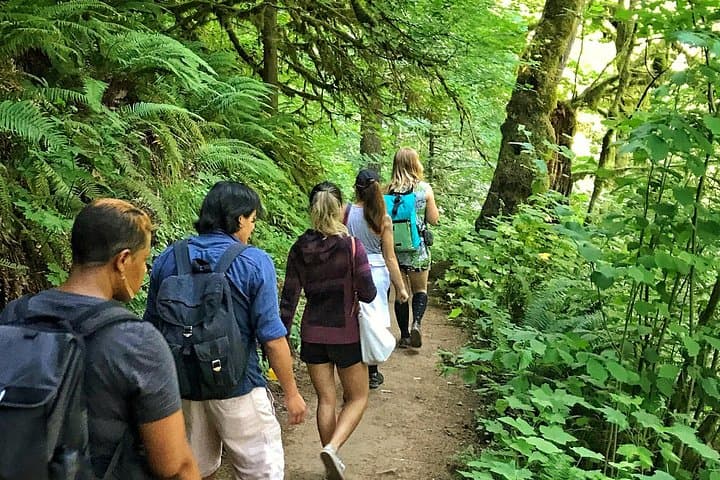
Lose the city for a few hours without leaving it: this 5-mile, 900-foot-gain Forest Park loop threads old-growth pockets, city viewpoints, and cultural landmarks for a compact taste of Portland’s wild side. Expect moss, roots, and stories.