
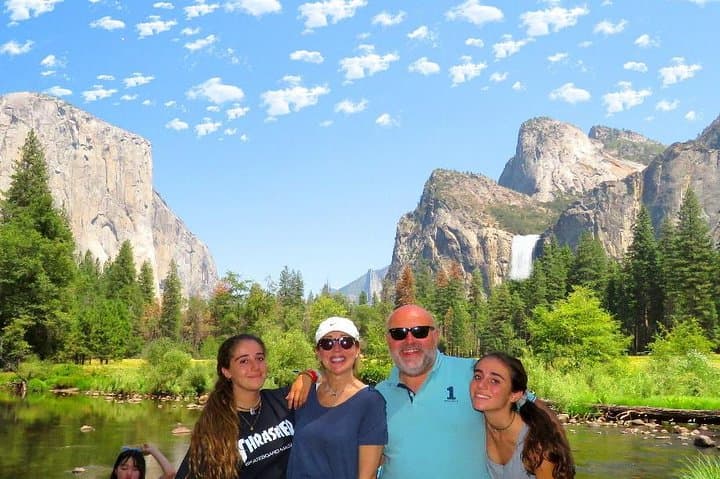
What the day feels like
First light slides across El Capitan like a match struck along stone. The Merced River murmurs beside the road, pushing forward, daring you to follow. On day one of a private, four-day traverse through Yosemite National Park, your guide points the 4x4 toward the Valley floor before the tour buses arrive. Granite walls breathe cold into the morning. Bridalveil Fall tosses a silver veil in the breeze. You step out into the hush, and the park does what it has always done—it widens your sense of scale.
This VIP experience is less about racing through landmarks and more about moving with the rhythms of the place. With a luxury hotel included and a flexible, personalized itinerary, you can chase waterfall spray on the Mist Trail one day and chase alpenglow at Glacier Point the next. Yosemite’s cast of characters—glacier-carved domes, ancient sequoias, and the bright thread of the Merced—each take a turn at center stage.
History runs underfoot here. Before the roadways and viewpoints, these valleys and meadows were home to the Ahwahneechee people. The name “Yosemite” likely comes from a Miwok word meaning “those who kill,” a misapplied epithet for a resilient community displaced in the 19th century. In 1864, President Lincoln signed the Yosemite Grant, the first U.S. law to set aside land for preservation and public use—a seed that grew into the national park idea. John Muir’s prose and persistence helped carry that vision forward, and you feel that legacy each time you step from pavement to pine duff.
Geology explains the drama. The Sierra Nevada batholith—slow-cooled granite uplifted over eons—was sculpted by rivers and then by ice, which gouged U-shaped valleys and polished domes. You see it in the scalloped curves of Half Dome and the clean sweep of Tenaya Canyon. The park’s features are blunt yet refined, like stone taught to sing.
The beauty of a private, multi-day itinerary is pacing. Let the river set it. Day one might focus on the Valley, where Yosemite Falls drops 2,425 feet in a series of terraces and the Mist Trail climbs stone stairs that sweat spray. For a moderate outing, hike to the Vernal Fall Footbridge (about 1.6 miles round-trip), or push farther to Vernal and Nevada Falls if legs and weather agree. Nature has a personality here: the falls demand attention; the granite steps insist on careful footing; the ravens at trail junctions seem to offer peppery commentary. Your guide watches crowd patterns, steering you into quiet pockets even on busy days.
Day two, trade the Valley’s vertical drama for the poised horizon of Glacier Point. The road opens seasonally, typically late spring to fall, and the view from 7,214 feet gives you a balcony on the entire stage: Half Dome’s scarred face, Clouds Rest, the thread of the Merced carving its S into the Valley. A 2.2-mile round-trip to Taft Point is a favorite: fissures breathe cool air, and the cliffs look straight into the gut of Yosemite. If the afternoon runs hot, slide over to Sentinel Dome for a short climb and a 360-degree panorama that feels like stepping into a blueprint of the park.
The third day belongs to the giants. In Mariposa Grove, more than 500 mature giant sequoias hold court—some older than the fall of Rome. These trees don’t rush; they endure. Walk the Big Trees Loop for an easy introduction, or the Grizzly Giant Loop (about two miles) for a deeper encounter. Let the bark’s cinnamon plates and the resin’s clean scent recalibrate your sense of time. Even the breeze seems to slow, respectful in the presence of 2,000-year-old wood.
If conditions allow, the fourth day heads for the high country along Tioga Road, where Tuolumne Meadows lies broad and wind-stroked. Lembert Dome rises with a hiker’s dream of clean slab and outrageous vistas; the meadow’s narrow river braids gleam in late-day sun. Up here, altitude trims temperatures and the sky feels bigger. Pikas squeak from talus piles, and Clark’s nutcrackers scold from whitebark pines. Your guide can vary mileage and elevation gain based on how your legs feel after the earlier days.
In-between, you get the relief that a luxury base provides: hot showers, a soft bed, and dinner without a long drive. The 4x4 swallows rougher approaches with ease and keeps the itinerary nimble when weather shifts or a sudden wildfire closure reroutes plans. The result is time—time to linger where the light is right, to return to a viewpoint after crowds thin, to watch the Valley spill into twilight instead of sprinting for an exit.
Practical matters are straightforward. Expect moderate hiking most days (3–6 miles with 500–1,500 feet of gain), though your guide can dial it up or down. Sturdy shoes with traction are mandatory; polished granite gets slick with spray. Hydration matters more than you think—the dry Sierra air steals moisture fast. Afternoons can run warm in summer; mornings bite in shoulder seasons. Glacier Point and Tioga Roads are seasonal: they can open late and close early depending on snow. If a road’s closed, your guide will pivot to equally strong alternatives in the Valley or along Highway 140, which typically remains the most reliable access.
If you’re a photographer, the park rewards patience: dawn at Tunnel View when the Valley wakes, late-day glow on Half Dome from Sentinel Bridge, stars sprayed over El Capitan if skies are clear. If you’re a wildlife watcher, keep respectful distances—25 yards for most animals, 100 yards for bears—and you’ll be surprised how often deer step from the chaparral like actors hitting their mark.
Four days is enough to feel how Yosemite moves: deliberate, muscular, and generous. The river keeps tugging. The cliffs keep lifting. And somewhere along the way, you match your pace to theirs.
Trail wisdom
Small choices, better day.
Start With The Light
Beat crowds and heat by planning marquee viewpoints (Tunnel View, Glacier Point) for early morning or golden hour. The park looks and feels different when the light is low.
Mind The Spray
On the Mist Trail, wet granite is slick year-round—wear shoes with traction and pack a light shell to stay warm after getting soaked.
Layer For Swing Seasons
Mornings can be near-freezing in spring and fall while afternoons feel summer-warm—use a breathable base, insulating midlayer, and a packable shell.
Check Seasonal Roads
Glacier Point and Tioga Roads open/close with snow; verify status the day before and have Plan B options inside the Valley.
Local knowledge
Read the place, not just the route.
Watch for native species including Mule deer, Black bear (seen from a safe distance).
Keep an eye out for wildlife during the transition between areas and habitats. Respect distance guidelines.
Stay on boardwalks in fragile meadows, use refill stations to reduce plastic, and store all scented items in bear-proof lockers.
Follow the guide's instructions on size limits, ethical handling, and leave-no-trace practices.
Artist Point via the old Wawona Road for a quieter Tunnel View alternative. Cathedral Beach pullouts for late-day reflections of El Capitan on the Merced
Locally recommended viewpoints and quiet spots known best to local operators.
Yosemite was protected by the 1864 Yosemite Grant—America’s first step toward the national park idea—thanks to advocates like John Muir.
Maritime roots and regional tradition shape the waterways and working coasts.
Seasonal guide
Four versions of the same landscape.
Spring
Best forWaterfalls at peak flow · Cool hiking temps
ChallengesIcy mornings · Lingering snow at higher elevations
Rushing falls and green meadows define spring; lower trails shine while high country access remains weather-dependent.
Summer
Best forHigh-country hikes · Long daylight for photography
ChallengesCrowds in popular areas · Hot afternoons in the Valley
All roads typically open; start early, siesta midday, and return for sunset when temps and crowds drop.
Fall
Best forStable weather · Fewer crowds
ChallengesShorter days · Occasional smoke from regional wildfires
Crisp mornings, warm afternoons, and glowing dogwoods; a sweet spot if Glacier and Tioga remain open.
Winter
Best forSnow-draped Valley views · Quiet trails
ChallengesRoad closures · Ice and chain requirements
Expect limited access beyond the Valley; bring traction devices and savor the park’s calmest season.
Operator details
What the booking data adds.
Included
- ✓Bottled water
- ✓3 nights hotel accommodation included.
- ✓Pickup/drop off, taxes, Yosemite permit +4-day private tour
- ✓Air-conditioned vehicle
- ✓Yosemite commercial permit and us-resident fees
Not included
- —Sorry, we cannot transport passengers with disabilities as our vehicles are not equipped for that
- —Tips/gratuities are voluntary payments to your guides as a gesture of appreciation for good service.
- —Meals
- —The U.S. government imposes a Non-US Resident fee on all international travelers aged 16 and older, effective January 1, 2026.
Good to know
- ✓Public transportation options are available nearby
- ✓Specialized infant seats are available
- ✓Not recommended for pregnant travelers
- ✓Not recommended for travelers with poor cardiovascular health
- ✓Travelers should have at least a moderate level of physical fitness
- ✓Our policy regarding passengers with disabilities: Sorry, our vehicles are not equipped for passengers with disabilities and therefore, our commercial insurance doesn’t allow us to transport persons with any kind of disabilities for the sake of their own safety and well-being
Pack with intention
What to bring.
Good to know
Common questions.
Expect moderate hiking most days (3–6 miles, 500–1,500 feet of gain), adjusted to your preferences and conditions.
Plan the edges
The details that make the day easier.
Yosemite Falls is one of the tallest waterfalls in North America at approximately 2,425 feet (739 meters) from top to base.
After a day on the trails, head to 1850 Restaurant & Brewery in Mariposa for a local pint and a hearty burger. Inside the park, grab a coffee at Degnan’s Kitchen and watch evening light tip Half Dome pink from Sentinel Bridge. If you’re craving something sweet, the Valley’s small markets stock locally made treats perfect for sunset picnics.
- Closest airports
- Fresno Yosemite (FAT, ~2.5 hours) and San Francisco (SFO, ~4 hours). Driving: Mariposa to Yosemite Valley ~1–1.5 hours via Highway 140. Cell service: Limited to spotty in the Valley; often none in high country. Permits: Park entrance fees included with this tour; wilderness permits only needed for overnight backcountry trips.
Yosemite’s meadows and riparian corridors are sensitive—stick to trails, pack out all trash (including micro-waste like fruit peels), and use refill stations to minimize plastic. Store food properly to keep wildlife wild.
Explore by topic
Follow the threads.
Keep exploring
Make the story part of the trip.
 Related story
Less than two hours from Nairobi, Kereita Forest pairs hands-on canopy adventure with quiet montane trails and a sobering colonial history—perfect for families, teams, and curious travelers seeking a full-day pulse of nature.
Set out from Bass Harbor for a private, customizable day on Blue Hill Bay — lighthouses, puffins, seals, and the chance to feel Acadia from the water. Small groups, local captains, unforgettable views.
In four hours you can move from shaded canyon ferns to wind-scoured coastal ridgelines, guided by someone who knows where the light—and the hidden views—live. This private half-day hike on the Monterey Peninsula or Big Sur is compact, curated, and perfect for travelers who want depth without a multiday commitment.