
What the day feels like
Morning comes soft and silver to Bar Harbor, and Frenchman Bay breathes with the tide. The water lifts, settles, and lifts again, daring you to match its rhythm. On the Dirigo Tour—a three-hour, small-group paddle for ages 15 and up—you slip into sea kayaks and point your bows toward a scatter of spruce-topped islands and granite ledges where seals nap with aristocratic calm. The bay greets you with a whisper, then a push, and you’re off, tracing a coastline that looks like it was designed to be explored at the speed of a paddle.
From the first strokes, the Atlantic has a way of organizing your attention. Ospreys arrow past with fish in their talons. A harbor porpoise surfaces and disappears like a skipped stone. Bald eagles balance in the snag of a white pine, unbothered and watchful. Your guide sets a steady pace, reading the texture of the water—riffled where the breeze gathers, glassy in the lee. Expect to cover roughly three to five miles, depending on conditions and group comfort, with plenty of stops for stories and photos. This isn’t a race; it’s a conversation with tide, wind, and weather. For details and booking, see the official Dirigo Tour page at <a href="https://app.advcollective.com/local-experts/dirigo-tour" target="_blank" rel="nofollow">this local expert listing</a>.
Geology leads the way as much as any compass bearing. The coast here is a granite gallery—pink Cadillac Mountain Granite, smoothed and striated by ice that bulldozed across this landscape tens of thousands of years ago. On your beach landing, the rock offers a syllabus in one glance: pebbled coves and glacial polish, tide pools pricked with barnacles and sea anemones like tiny fireworks. The intertidal zone tells time differently; it drifts and drains, revealing secrets on a six-hour heartbeat. The tour pauses long enough for you to crouch at the water’s edge and watch periwinkles inch over wet stone, to feel the Atlantic’s pull in your calves, to let the place sink in.
Frenchman Bay is a name with a past. Long before Champlain charted these waters in the 1600s—naming Mount Desert Island for its bald, stony heights—the Wabanaki people navigated by stars, shoreline, and memory, harvesting the tides and moving seasonally through an archipelago of resources. The bay still carries those rhythms. Lobster boats idle along their lines, buoys ticking against hulls. The fog, when it comes, is a local—rolling in on cat feet, then slipping away as quickly as it arrived.
You’ll likely edge near Egg Rock, its lighthouse a bright exclamation point on the horizon. Seals there can look like commas—curled and resting—until one slides into the water as if pulled by a sentence you can’t quite hear. Marine mammals get space, always; the guide respects federal viewing distances so the wildlife remains wild. That ethos extends to every stop: tread lightly on shore, leave no trace of your visit, and let the bay feel like itself tomorrow.
For many, the highlight is simple: the cadence of stroke and glide, matched to the bay’s own metronome. The current nudges; you correct. The wind suggests; you decline or agree. Even in a small chop—common by mid-day—you learn that boat and body are better when they move together. By the time you return to the beach, your arms are pleasantly used, your camera roll full, your sense of this place deeper than a roadside viewpoint could ever offer. To plan and secure your spot, check the <a href="https://app.advcollective.com/local-experts/dirigo-tour" target="_blank" rel="nofollow">Dirigo Tour details and availability</a>.
Practicalities make the day smoother. Expect a three-hour window dock to dock, with time divided between steady paddling and the beach landing. Wear quick-drying layers and a windproof shell—even in July, the Atlantic can surprise. Closed-toe water shoes or grippy sandals matter when you’re navigating slippery cobbles. Bring a small dry bag for your phone and snacks, and a brimmed hat; the sun bounces off water with extra insistence. If you’re new to kayaking, don’t sweat it—guides coach efficient strokes and spacing, and small-group ratios offer attention without hovering.
A note on timing: mornings are your friend. The bay is typically calmer early, and the light sits at a flattering angle for photographers. If fog drifts in, consider it a feature, not a bug; photos pop when set against a soft, gray backdrop, and you’ll feel like you’re paddling inside a story. On clear days, mountain silhouettes—Cadillac chief among them—stack behind the islands in layered blues.
Frenchman Bay rewards a slow gaze. It’s a place where granite keeps secrets, where currents negotiate around points and through narrows, and where the line between land and water is always being rewritten. The Dirigo Tour doesn’t try to conquer that; it introduces you, respectfully and well. You leave with sea salt on your lips, a working knowledge of the intertidal, and a small, sturdy belonging to this corner of the Maine coast.
Trail wisdom
Small choices, better day.
Dress for the water, not the air
The Atlantic stays cold even in summer—wear synthetic or merino layers and a windproof shell; avoid cotton.
Mind the spacing in wind and wakes
Keep a boat-length or more between kayaks and angle into boat wakes; follow your guide’s lead through chop.
Footing for the beach landing
Bring grippy closed-toe water shoes for slippery, seaweed-covered rocks at low tide.
Wildlife first, always
Maintain respectful distances from seals, porpoises, and nesting birds to minimize stress and comply with federal guidelines.
Local knowledge
Read the place, not just the route.
Watch for native species including Harbor seals, Harbor porpoises.
Keep an eye out for wildlife during the transition between areas and habitats. Respect distance guidelines.
This coastline edges Acadia National Park and sensitive intertidal zones—pack out everything, step lightly on tide pools, and maintain recommended distances from marine mammals.
Follow the guide's instructions on size limits, ethical handling, and leave-no-trace practices.
Bar Island sandbar—walk the natural causeway at low tide for a unique perspective of town and bay. Balance Rock on the Shore Path—glacial erratic with classic harbor views
Locally recommended viewpoints and quiet spots known best to local operators.
Frenchman Bay reflects centuries of Wabanaki stewardship; Champlain charted these waters in 1604 and named Mount Desert Island for its bare granite summits.
Maritime roots and regional tradition shape the waterways and working coasts.
Seasonal guide
Four versions of the same landscape.
Spring
Best forSolitude on the bay · Active wildlife sightings
ChallengesCold water temps · Fog and variable winds
Crisp mornings and quiet coves; dress warm and expect changeable conditions with excellent chances to spot eagles and seals.
Summer
Best forCalm morning paddles · Family-friendly conditions
ChallengesMidday boat traffic · Sun exposure and afternoon chop
Longest days and warmer air; book early morning departures for the smoothest water and fewer powerboat wakes.
Fall
Best forFoliage-framed views · Clear skies and stable weather
ChallengesCooler water and air · Shorter daylight windows
Crisp air and fewer crowds; layers are key and evenings cool quickly once the sun dips behind Cadillac Mountain.
Winter
Best forShoreline sightseeing on foot
ChallengesHarsh weather · Tours seldom operate
Sea kayaking tours are typically paused; enjoy coastal walks and plan your paddle for spring through fall.
Pack with intention
What to bring.
Good to know
Common questions.
No—this guided tour is beginner-friendly. Your guide teaches efficient strokes, steering, and safety before launching.
Plan the edges
The details that make the day easier.
Bar Harbor’s average tidal range is about 11 feet, dramatically revealing and concealing intertidal zones twice daily.
After your paddle, grab a lobster roll at The Thirsty Whale or head to Atlantic Brewing Company’s Bar Harbor location for a post-paddle pint. Craving a classic Acadia experience? Popovers on the lawn at Jordan Pond House pair nicely with a late-afternoon shoreline stroll.
- Closest airports
- Hancock County–Bar Harbor (BHB, ~12 miles) and Bangor International (BGR, ~50 miles). Launch sites vary around Bar Harbor—expect a 5–15 minute drive from town. Cell service is generally good in town, spotty on the water. No permits needed for guests; your outfitter provides gear and safety equipment.
Frenchman Bay’s marine life is protected by federal law. Pack out all trash, avoid stepping on seaweed-draped rocks when you can, and give seals, porpoises, and nesting birds generous space.
Explore by topic
Follow the threads.
Keep exploring
Make the story part of the trip.
In four hours you can move from shaded canyon ferns to wind-scoured coastal ridgelines, guided by someone who knows where the light—and the hidden views—live. This private half-day hike on the Monterey Peninsula or Big Sur is compact, curated, and perfect for travelers who want depth without a multiday commitment.
 Related story
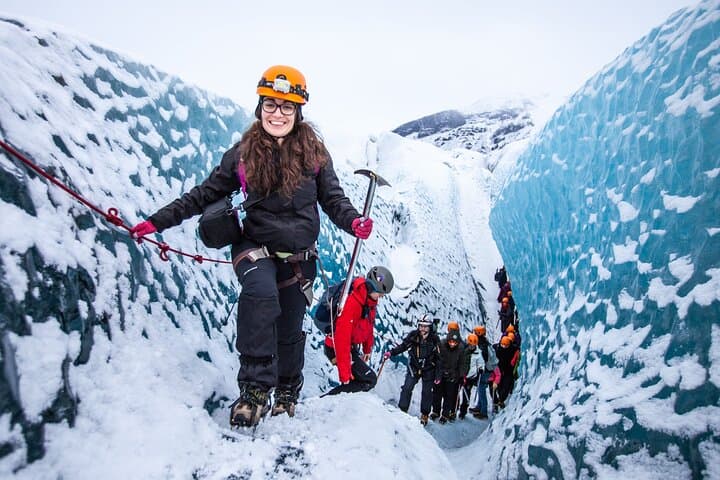
Beneath a sky of shifting light, Skaftafell’s ice reads like a map of time. This three-hour guided glacier hike mixes technical instruction with geology and culture: compact, safe, and unforgettable.
 Related story
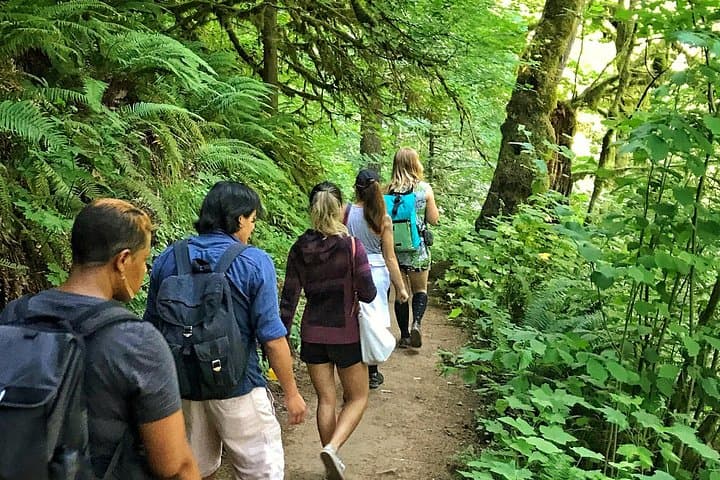
Lose the city for a few hours without leaving it: this 5-mile, 900-foot-gain Forest Park loop threads old-growth pockets, city viewpoints, and cultural landmarks for a compact taste of Portland’s wild side. Expect moss, roots, and stories.