
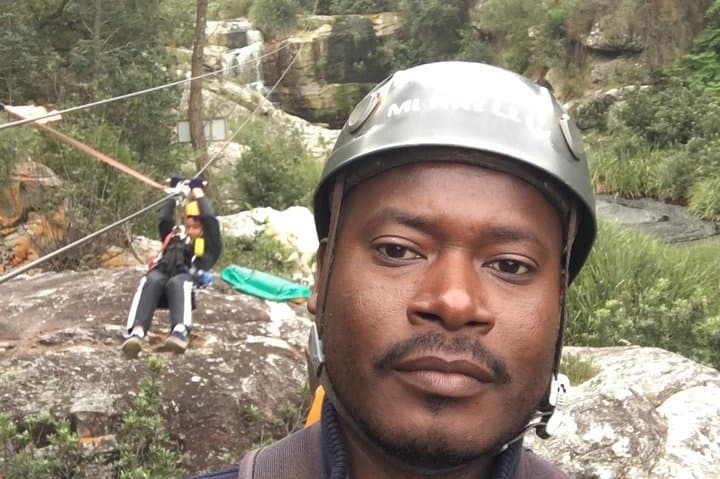
What the day feels like
You clip in, take a breath of air that smells like cedar and salt, and step off a wooden platform. For a heartbeat you float—the mountain wind filling your ears, the low scrub of fynbos below like a living quilt. The cable hums; the next ridge slides toward you, and the valley opens like a map. This is not just a zip line. It’s a daylong passage across the Hottentots-Hollandberge, a chain of ridges that still hold a kind of temperamental beauty: sunburnt rock, deep protea stands, and a coastline that seems to call you west.
The Canopy tour Adventures Cape Town is a full-day (about 8 hours) canopy and zipline circuit tucked into the spaces between the Hottentots-Holland mountains, roughly an hour’s drive east from Cape Town. It’s set where the acidic sands of the Cape Fold Belt catch the ocean’s weather—meaning the land is wild, the vegetation dense, and the views angled toward the Atlantic. The operator strings together platforms, suspension bridges, and ziplines that run over ravines and gullies, converting the ridge line into a playground. For an outdoors traveler who wants to marry a good adrenaline hit with a rich, local landscape, it’s hard to beat.
Geology and ecology are part of the experience. The Hottentots-Holland range is part of the greater Cape Fold Belt; its steep slopes and fynbos-dominated valleys are products of millions of years of folding and erosion. The fynbos here—low, woody shrubland with proteas, ericas, and restios—is a global biodiversity hotspot. Underfoot the trails are a patchwork of rocky outcrops and sandy soils, and from the ziplines you can see how water, wind, and the odd seasonal burn pattern create a mosaic of colors.
There’s more than geology though. The Elgin and Grabouw valleys below have been farmed for apples, pears, and, more recently, a burgeoning cool-climate wine scene. Locals will tell you the mountains were a navigational spine for Khoisan communities and later a boundary marker during colonial expansion. Today, adventure tourism and small-scale agriculture coexist, and responsible operators work to keep the footprint small.
The tour itself is practical and approachable. Expect a mix of guided walking and aerial transit: short hikes between platforms, a few suspension bridges that sway just enough to make you laugh, and a steady sequence of zips that accelerate and sometimes leave you suspended over a shear drop with only scrub and sky beneath. The full-day format includes safety briefings, equipment checks, and breaks for water and short hikes—so it’s not just a ride, it’s an immersive day outdoors. The experience runs around eight hours, and prices listed for the Viator product start at about USD 290.43, with instant confirmation, free cancellation, and options for private groups.
Why go now? Spring and early summer—September through December—bring the best wildflower displays and stable weather for long ziplines. Winter storms can be dramatic; they’ll close operations occasionally but reward you with empty trails and dramatic cloudscapes if you time a clear day. The tour is family-friendly for older children and well-suited to moderately fit travelers who can handle short uphill hikes between platforms.
Practicalities: sturdy hiking shoes with good grip, a hydration system (you’ll be carrying water between platforms), sun protection, and layers—the mountain wind can change the equation fast. Operators provide helmets, harnesses, and gloves, but bring your own small daypack for sunscreen, camera, and snacks. Cell service in parts of the ridge can be patchy; plan logistics with your operator and leave room in your schedule for the 45–90 minute drive from Cape Town depending on traffic.
Safety and sustainability are baked into the best operators here. Lines are maintained to commercial standards, guides attend to clipping protocols, and many outfits work with local conservation partners to minimize trail erosion and protect fynbos habitat. Respect closures after burns and stay on marked approaches: one stray footpath through fragile protea stands can do more lasting damage than you expect.
If you’re plotting a visit, pair the canopy day with time in the Elgin Valley—tasting rooms, apple farms, and small wineries sit in the lowlands beneath the ridges—or return to Cape Town for a city nightcap. You’ll leave with a memory of speed and an appreciation of a landscape that is both resilient and finely balanced: the wind here feels like an old acquaintance, sometimes gentle, sometimes daring you onward.
Trail wisdom
Small choices, better day.
Start early
Morning departures offer calmer winds, cooler temperatures, and the best light for photos.
Wear grippy shoes
Trails to and between platforms can be rocky and steep—trail runners or hiking shoes work best.
Hydrate and snack
Bring a 1–2 liter hydration system and high-energy snacks; the day is longer than the zips themselves.
Protect the fynbos
Stay on designated paths and avoid picking flowers—many plants here are endemic and fragile.
Local knowledge
Read the place, not just the route.
Watch for native species including Cape sugarbird, Rock hyrax (dassie).
Keep an eye out for wildlife during the transition between areas and habitats. Respect distance guidelines.
The area contains critically important fynbos ecosystems; operators and visitors are urged to avoid trampling vegetation, pack out trash, and respect seasonal closures.
Follow the guide's instructions on size limits, ethical handling, and leave-no-trace practices.
Short hike to a nearby protea-covered knoll with panoramic coastline views. Elgin Valley tasting rooms and small apple farms for a post-tour meal
Locally recommended viewpoints and quiet spots known best to local operators.
The Hottentots-Holland mountains were a landmark for indigenous Khoisan communities and later a boundary during colonial settlement; the valleys below have long been agricultural hubs.
Maritime roots and regional tradition shape the waterways and working coasts.
Seasonal guide
Four versions of the same landscape.
Spring
Best forwildflower displays · cool temperatures · stable conditions
Challengesvariable wind days · sudden showers
Spring (Sept–Nov) brings fynbos blooms and generally pleasant weather—ideal for full-day canopy tours.
Summer
Best forlonger daylight · warmer temps · post-winter green-up
Challengeshigher midday heat · occasional afternoon winds
Summer offers long days and warm weather; schedule early starts to avoid afternoon heat and gusts.
Fall
Best forcrisp views · lighter crowds · mild temperatures
Challengesmore frequent weather fronts some years
Autumn brings stable skies and crisp visibility—great for photography and comfortable hiking.
Winter
Best fordramatic skies · fewer visitors · lower rates
Challengesrain closures · cold winds · shorter daylight
Winter can be atmospheric but expect occasional closures due to storms and slick access trails.
Operator details
What the booking data adds.
Included
- ✓Air-conditioned vehicle
Not included
- —Excursion
Good to know
- ✓Specialized infant seats are available
- ✓Suitable for all physical fitness levels
Pack with intention
What to bring.
Good to know
Common questions.
The full experience is a full-day program lasting about 8 hours (the operator lists a 480-minute duration), including briefings and walks between platforms.
Plan the edges
The details that make the day easier.
The Hottentots-Holland range is part of the Cape Fold Belt and sits within a global biodiversity hotspot—many plant species here are endemic to the Cape Floral Region.
After the tour head to the Elgin Valley for farm-to-table lunch and cool-climate wines, or return to Cape Town for craft beer in Kloof Street and seafood at the V&A Waterfront.
- Closest airport
- Cape Town International Airport; Driving distance: ~60–90 km
- ~45–90 minutes from Cape Town; Cell service
- patchy on ridgelines; Permits: none typically required—bookings via operator; Notes: operator offers instant confirmation, free cancellation, and private tour options.
The canopy runs through sensitive fynbos habitat—pack out everything, avoid off-trail walking, and support operators who invest in habitat restoration and low-impact infrastructure.
Explore by topic
Follow the threads.
Keep exploring
Make the story part of the trip.
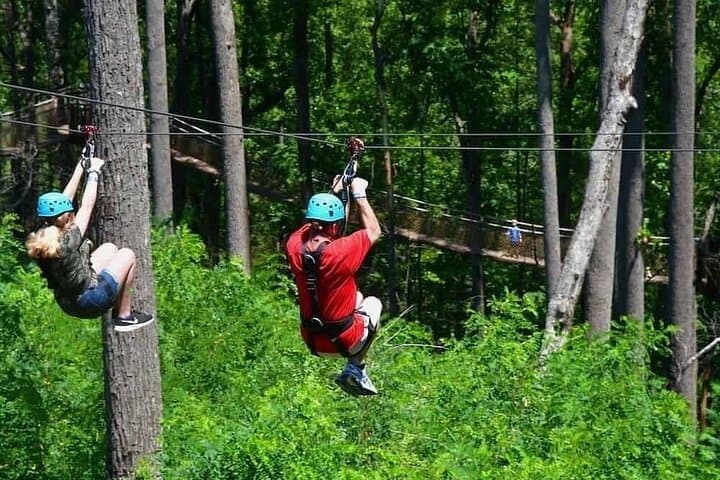 Related story
Less than two hours from Nairobi, Kereita Forest pairs hands-on canopy adventure with quiet montane trails and a sobering colonial history—perfect for families, teams, and curious travelers seeking a full-day pulse of nature.
Set out from Bass Harbor for a private, customizable day on Blue Hill Bay — lighthouses, puffins, seals, and the chance to feel Acadia from the water. Small groups, local captains, unforgettable views.
In four hours you can move from shaded canyon ferns to wind-scoured coastal ridgelines, guided by someone who knows where the light—and the hidden views—live. This private half-day hike on the Monterey Peninsula or Big Sur is compact, curated, and perfect for travelers who want depth without a multiday commitment.