
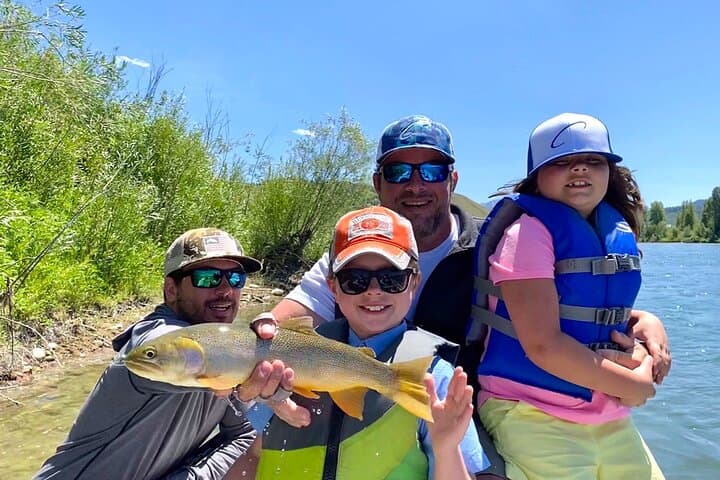
What the day feels like
The driftboat slips into the Snake River and the whole valley breathes with it. A low wake parts the mirrored surface, sending ripples that catch the light like scattered coins. The boat rocks, soft and reliable, as the guide coils a line and gently nudges the bow toward the current seam where the river narrows and the trout gather. For five hours you are out of the city’s hum and deep into the kind of landscape that makes you forget schedules: the Teton skyline sharp and folded, cottonwoods sighing on the banks, and a river that dares you to read its moods.
This is a traditional driftboat day on the Snake, a guided half-day that pairs beginner-friendly instruction with enough technical nuance to keep experienced anglers engaged. The operation runs large, stable driftboats — seats for up to five guests and a 500-pound combined weight limit — which makes it an excellent choice for families or small groups who want the social safety of a shared craft and the option for both fly or spin fishing. Guided trips are private, booked instantly, and designed to shepherd you through the micro-skills of reading seams, casting effectively from a moving platform, and handling fish without harm.
Geology and hydrology shape the experience here. The Snake River – carved by glaciers and fed by mountain snowmelt from the Tetons and Yellowstone – threads through Jackson Hole as a gallery of braided channels, riffles, and deep runs. Those twists concentrate insect hatches and the trout that follow them. Insects are the currency; mayflies, caddis, and stoneflies dictate where fish sit and when they rise, and guides tune your drift to match the tick of the hatch. The result is a day that alternates between patient observation and sudden, electric activity when a trout takes your fly.
Fishing in Jackson Hole is as much cultural currency as it is sport. The valley has long attracted anglers — from early 20th-century anglers who made the Snake famous in western fly-fishing lore, to modern guides who juggle hospitality with exacting conservation practices. Local fishing ethics emphasize catch-and-release for native cutthroat populations and careful handling of all fish to protect a watershed that feeds into Yellowstone. Expect your guide to brief you on these practices: it’s not just etiquette, it’s stewardship.
The practical part: this is a five-hour commitment priced from $395 for the boat (guides included per product listing), perfect for a morning or afternoon window that leaves room for a late lunch in town. The rhythm of the trip is deliberate and efficient: drive time to put-in varies by season, but most launches sit within 10–30 minutes of Jackson. Your guide will handle all the logistics on the water — setting up rods, helping with casts, and advising on presentation — which makes the experience accessible to first-timers while letting seasoned anglers dial in technique.
What you’ll feel: the river’s tug against the hull, the soft sway when the current finds you, and occasionally the violent impatience of a trout slashing at a dry fly. You’ll hear bald eagles call from cottonwood perches, maybe glimpse moose browsing in a marsh, and learn how to read water like a map. The sensory detail is useful; it teaches you where to stand in the boat, when to mend your line, and when to sit back and let the drift do the work.
When to go: summer is prime for hatches and warm mornings, though spring runoff can make some sections fishable only at higher elevations. Guides adapt to conditions; they’ll choose quieter runs during busy summer weekends or target early-morning insect activity for a better shot at dry-fly action. Because the boats are roomy and the guides experienced, this trip works for families and mixed-skill groups — but do note the 500-pound total weight limit and the need for a Wyoming fishing license.
On technique: your guide will likely start with casting basics if you need them, then move you through drift control and strike timing. Fishing from a moving platform asks for subtlety — your anchor is the current, and learning to present a fly correctly across a seam is often the key to success. The day rewards observation as much as muscle. Watch where fish rise, how the current shifts, and let your guide translate those signals into adjustments.
Practical tips that matter: bring layered clothing and a rain shell, sunscreen and polarized sunglasses, and a small daypack with snacks and water. Hydration is underrated; five hours on the river in sun or brisk air can dehydrate you faster than you expect. The guides provide rods and tackle if you need them, but if you have your own gear, let the operator know in advance to make space on the boat. Expect light cell service on river stretches and plan for a relaxed schedule.
Why book it: this half-day driftboat trip compresses the best parts of Jackson Hole into a manageable adventure. You get professional instruction, access to prime water, and the kind of river time that turns novices into competent anglers and refreshes the technique of longtime fishermen. It’s social when you want it, quiet when the river calls for silence. And in a region defined by dramatic peaks and protected valleys, a float on the Snake is a precise way to touch the landscape, practice leave-no-trace ethics, and come away with stories — and maybe a photograph or two — that stick.
For anyone who likes the idea of trading a crowded trail for a moving, reflective corridor of water, this trip is a logical next step. It teaches you a craft, places you in a timeless landscape, and leaves you with the practical skills to fish your next day alone. The river asks for attention; in return, it gives the kind of reward that lingers beyond any single cast.
Trail wisdom
Small choices, better day.
Layer for Variable Weather
Morning on the river can be chilly and afternoons warm—bring a light insulating layer and a waterproof shell.
Bring Polarized Sunglasses
Polarized lenses cut glare and help you spot seams and rising fish from the boat.
Hydrate and Snack
Five hours of river time requires water and quick energy—pack electrolyte snacks and a refillable bottle.
Respect Fish and Habitat
Use barbless hooks if requested, minimize fish handling, and follow your guide’s conservation instructions.
Local knowledge
Read the place, not just the route.
Watch for native species including Bald Eagle, Moose.
Keep an eye out for wildlife during the transition between areas and habitats. Respect distance guidelines.
Local guides emphasize catch-and-release for native trout and careful shoreline practices to protect spawning habitats and sensitive riparian zones.
Follow the guide's instructions on size limits, ethical handling, and leave-no-trace practices.
Early-morning runs below Moose Bridge for calm water and strong dry-fly chances. Less-trafficked side channels near Gros Ventre junctions for quiet wading access
Locally recommended viewpoints and quiet spots known best to local operators.
The Snake River and Jackson Hole have been a fly-fishing destination since the early 20th century, with guides building a tradition of river stewardship and angling innovation.
Maritime roots and regional tradition shape the waterways and working coasts.
Seasonal guide
Four versions of the same landscape.
Spring
Best forEarly-season insect activity · Less crowded runs
ChallengesHigher runoff affecting clarity · Cool mornings
Spring brings snowmelt-driven flows and early hatches—expect variable water levels and cooler temperatures; guides will pick sections that fish well during runoff.
Summer
Best forClassic dry-fly hatches · Stable water and warm weather
ChallengesBusier weekends · Afternoon winds on some days
Summer is optimal for mayfly and caddis hatches and comfortable boat temperatures, though popular stretches can be busier mid-day on weekends.
Fall
Best forFewer crowds · Crisp light and active trout
ChallengesShorter daylight hours · Cooler water temperatures
Fall provides crisp conditions and fewer people; insect activity tapers so guides may focus on nymphing and deep runs.
Winter
Best forOff-season scouting · Low angler traffic on limited sections
ChallengesLimited access on many riverbanks · Cold conditions requiring specialized gear
Winter driftboat trips are rare; expect restricted access, very cold temperatures, and specialized planning if available.
Operator details
What the booking data adds.
Included
- ✓Bottled water
- ✓Snacks
- ✓Driftboat Fly Fishing at Jackson Hole
- ✓Fly Fishing and Spin Fishing Gear
Not included
- —Fishing License
- —Lunch
- —18-20% of Trip Cost
Good to know
- ✓Wheelchair accessible
- ✓Public transportation options are available nearby
- ✓Suitable for all physical fitness levels
Pack with intention
What to bring.
Good to know
Common questions.
Yes—everyone fishing in Wyoming must carry a valid Wyoming fishing license; guides can help confirm your license requirements before the trip.
Plan the edges
The details that make the day easier.
The Snake River watershed supports native Yellowstone cutthroat trout populations that are the focus of ongoing conservation efforts across the region.
After the river, head into Jackson for a late lunch at Snake River Grill or a laid-back pint at the Mangy Moose Saloon; both spots reflect the valley’s mix of western hospitality and serious outdoor appetite.
- Closest airport
- Jackson Hole Airport (JAC). Typical driving time from Jackson to put-in: 10–30 minutes. Cell service: patchy on river stretches. Permits: Wyoming fishing license required. Note: boat accommodates up to 5 guests with a 500 lb combined weight limit.
This river system includes native trout populations—practice catch-and-release when requested, use barbless hooks if advised, pack out all trash, and avoid disturbing riverbanks and spawning gravels.
Explore by topic
Follow the threads.
Keep exploring
Make the story part of the trip.
 Related story
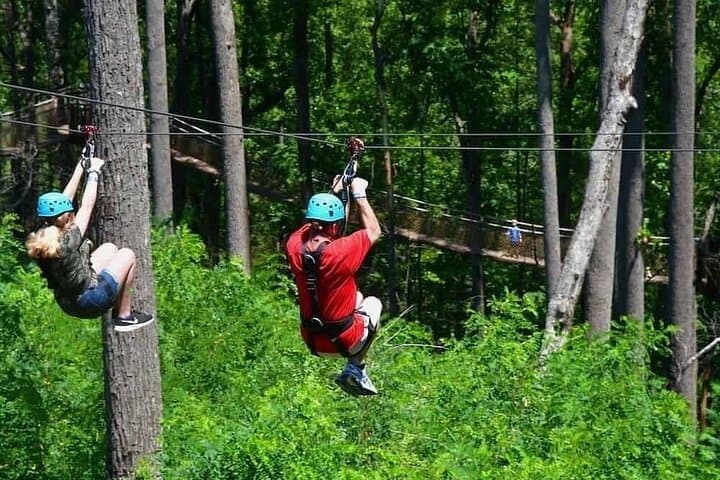
Less than two hours from Nairobi, Kereita Forest pairs hands-on canopy adventure with quiet montane trails and a sobering colonial history—perfect for families, teams, and curious travelers seeking a full-day pulse of nature.
Set out from Bass Harbor for a private, customizable day on Blue Hill Bay — lighthouses, puffins, seals, and the chance to feel Acadia from the water. Small groups, local captains, unforgettable views.
In four hours you can move from shaded canyon ferns to wind-scoured coastal ridgelines, guided by someone who knows where the light—and the hidden views—live. This private half-day hike on the Monterey Peninsula or Big Sur is compact, curated, and perfect for travelers who want depth without a multiday commitment.