
What the day feels like
There’s a soft punctuation to mornings on the Shenandoah — low mist lifting off the river, reeds of fog breaking around the boat as your guide eases you into the current. On a recent mid-June run I remember the guide’s oar catching a light that made the river look silver for a moment, and a blue heron holding absolutely still, as if the whole bank had agreed to watch. This is the rhythm of the Half Day Guided Scenic River Float Trip: patient, slow-moving, and very particular about what it reveals to you. For 4.75 miles, from Historic Morgan’s Ford to Farms Riverview, the Shenandoah unspools an easily readable story of the valley — farmland, forest, and the Blue Ridge folded to the east — and does it in a way that lets you actually pay attention.
This isn’t whitewater theatrics. It’s a rowed, guide-led raft trip where the boat does the work and you do the noticing. Expect riffles and quiet pools, a couple of ledge-drops that add variety but not alarm, and long stretches where conversation is overtaken by birdsong. Guides point out deer tracks, the telltale lodges of beaver, and the larger-than-life swoop of raptors hunting the floodplain. There’s enough motion to keep things interesting and enough calm to let you swim if the current and temperature cooperate.
Geologically, the Shenandoah Valley is a long, tectonic story written in folding and erosion. The river runs along the Valley and Ridge province where sedimentary layers have been tilted and sliced through time; the Blue Ridge on the right bank is an older, more resistant block that stands like a spine. Human history lines the water too: at Morgan’s Ford, 19th-century crossings and farmsteads used the river as a lifeline for trade and travel. Guides often weave those histories into the float, pointing out old field boundaries, stone walls, and the ways people shaped — and were shaped by — this landscape.
Culturally, Front Royal and surrounding Warren County are gateways. Locals split time between agriculture, small-town service economies, and outdoor tourism tied to Shenandoah National Park and Skyline Drive. For visitors, this float is an approachable introduction to the region: family-friendly, not technically demanding, and highly photographic. It’s also an intimate way to engage with wildlife — if you’re quiet, you’ll see it: osprey kiting overhead, beaver engineering a bank, white-tailed deer peeking from the treeline.
Practical context: the trip runs 2.5–4 hours depending on water flow, and it’s about 4.75 miles on the river. Boats are commercial-grade whitewater rafts with a custom rowing frame so guides do the rowing and guests can simply relax. Each guest gets a padded swivel seat, a PFD, snacks and cold drinks in a cooler, and ponchos for showery days. The meeting point is at Farms Riverview Public Boat Ramp in Front Royal; guides shuttle you upriver to Historic Morgan’s Ford, then bring you downstream to the ramp where cars are waiting. Private trips start at $425 for groups up to 18, which can make this an economical half-day adventure when split among friends and family.
Timing is everything. Late spring and early summer bring higher flows and lush banks; midsummer can be low and warm — perfect for swimming — but know the trip will take longer at lower flows. Autumn adds a punch of color along the banks and cooler nights that make paddling brisk and alerting. Winter runs are possible but cold and require thicker layering and an honest look at the forecast.
If you’re planning one of these floats, a few simple preparations will transform the experience. Wear closed-toe river shoes or sneakers with good drainage and a strap — this makes wading and swimming easier. Bring a dry bag for phones and layers for variable conditions. Sunscreen and a wide-brim hat matter; even a tree-lined river can give you sun in the exposed pools. And if you want to learn more from the guides or book private scheduling, check the local outfitter’s page for specifics and reservations: https://app.advcollective.com/local-experts/half-day-guided-scenic-river-float-trip. The site has up-to-date availability and answers to operational questions, and it’s how many groups reserve trips in advance.
Beyond logistics, treat the float like a slow-moving short story. Sit in the middle of the boat and let the guide narrate small details. Ask about the old farms you pass — many of them have lineage stretching back generations — and about seasonal wildlife patterns. If you’re photographing, plan to shoot in the morning or the hour before sunset for the best light; otherwise the high sun flattens the river.
Why take this trip? It’s an accessible, social way to experience the Shenandoah without hours of hiking or technical kayaking skill. Groups get private time on the water, kids can swim under supervision, and photographers get a compact route with changing light and varied banks. For those who want to pair the trip with other local attractions, Front Royal has trails, orchards, and small-town dining options — an easy half-day adventure that nicely complements a weekend in the mountains.
If you want to book, reserve early for summer weekends — slots fill because the trip is both family-friendly and popular with visitors doing the Shenandoah National Park loop. For more details, routes, and to secure a guide, visit the booking link here: https://app.advcollective.com/local-experts/half-day-guided-scenic-river-float-trip. And if you’re trying to build an itinerary, consider pairing the float with an afternoon drive along Skyline Drive or a farm-to-table meal in Front Royal to round out the day.
Trail wisdom
Small choices, better day.
Dress in layers and swim-ready clothing
Temperatures can shift quickly on the river; wear a base layer that dries and keep a light insulating layer and rain shell handy.
Wear secure, closed-toe river shoes
Sneakers or river sandals with a heel strap protect toes on rocky banks and make river swims safer.
Protect electronics in a dry bag
Phones and cameras should be stored in a waterproof dry bag; keep them accessible for quick wildlife shots.
Hydrate and use reef-safe sunscreen
Bring a refillable water bottle and apply biodegradable sunscreen to protect skin and river life.
Local knowledge
Read the place, not just the route.
Watch for native species including Great Blue Heron, Beaver.
Keep an eye out for wildlife during the transition between areas and habitats. Respect distance guidelines.
The river corridor supports riparian habitats; stick to designated ramps, pack out all trash, and use biodegradable products to limit impacts.
Follow the guide's instructions on size limits, ethical handling, and leave-no-trace practices.
Quiet gravel bars a short paddle from the main channel for private picnics. Old stone walls and field boundaries visible from the right bank that hint at early farm settlements
Locally recommended viewpoints and quiet spots known best to local operators.
This stretch of the Shenandoah was historically important for local agriculture and 19th-century crossings; Morgan’s Ford served as a local crossing point and community hub.
Maritime roots and regional tradition shape the waterways and working coasts.
Seasonal guide
Four versions of the same landscape.
Spring
Best forHigh water flows · Wildflower viewing · Bird migration
ChallengesCool mornings · Occasional rain and runoff · Variable flows
Spring brings fuller river conditions and migrating birds; expect brisk mornings and the chance of showers, so layer up and plan for a slightly faster trip.
Summer
Best forSwimming stops · Warm weather floats · Family outings
ChallengesLow flows in dry years · Strong sun exposure · Crowded weekends
Summer offers easy swimming and warm, lazy afternoons on the water; choose early departures to avoid heat and weekend crowds.
Fall
Best forFall foliage · Crisp air · Clear light for photography
ChallengesCooler water temps · Shorter daylight · Variable winds
Autumn colors along the banks make for spectacular views and photos; dress warmer and expect chilly swims if you take the plunge.
Winter
Best forQuiet solitude · Clear visibility of landscape · Wildlife tracks
ChallengesCold temperatures · Icy ramps and reduced services · Limited trip scheduling
Winter floats are quieter and reveal different river textures, but are best for prepared, well-layered visitors and small private bookings.
Pack with intention
What to bring.
Good to know
Common questions.
The trip covers 4.75 miles and takes roughly 2.5–4 hours on the water depending on flow; the outfitter handles shuttle time to the launch.
Plan the edges
The details that make the day easier.
The Shenandoah River drains into the Potomac and ultimately reaches the Chesapeake Bay; its watershed supports diverse freshwater habitats important to the Mid-Atlantic region.
After the float, head into downtown Front Royal for casual pubs, craft brewery taps, and farm-to-table cafes; local orchards and roadside stands offer seasonal fruit, and Skyline Drive to Shenandoah National Park is minutes away for a late-afternoon scenic drive.
- Closest major airport
- Washington Dulles (IAD) ~60–70 miles; Meeting point: Farms Riverview Public Boat Ramp, 15 Farms Riverview Rd; Driving from Front Royal center: under 10 minutes; Cell service: intermittent on the river; Permits: none required for public boat ramp use.
This float travels sensitive riparian habitat — pack out what you bring, use biodegradable sunscreen, and avoid disturbing shoreline nests and lodges.
Explore by topic
Follow the threads.
Keep exploring
Make the story part of the trip.
In four hours you can move from shaded canyon ferns to wind-scoured coastal ridgelines, guided by someone who knows where the light—and the hidden views—live. This private half-day hike on the Monterey Peninsula or Big Sur is compact, curated, and perfect for travelers who want depth without a multiday commitment.
 Related story
Beneath a sky of shifting light, Skaftafell’s ice reads like a map of time. This three-hour guided glacier hike mixes technical instruction with geology and culture: compact, safe, and unforgettable.
 Related story
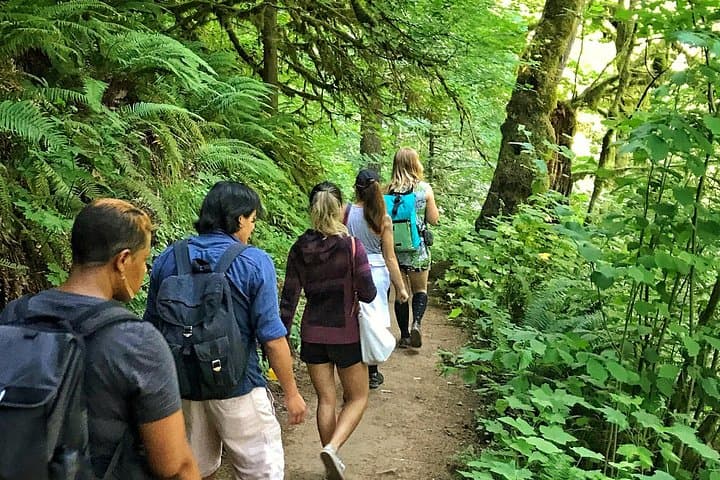
Lose the city for a few hours without leaving it: this 5-mile, 900-foot-gain Forest Park loop threads old-growth pockets, city viewpoints, and cultural landmarks for a compact taste of Portland’s wild side. Expect moss, roots, and stories.