
What the day feels like
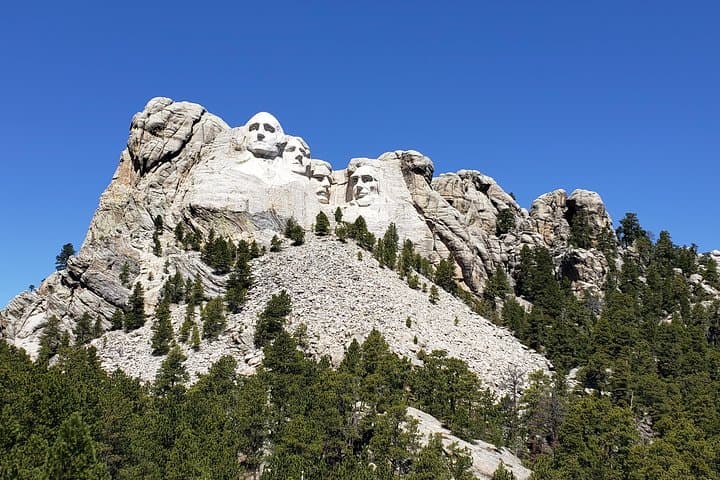
You arrive before the heat of the day has settled into the needles of the pines, the Sprinter van's engine a low companion to the breath of the Black Hills. The road climbs, the trees open, and granite appears—massive and deliberate, a place where history was literally chiseled into stone. Mount Rushmore doesn't announce itself with fanfare. It waits, patient as the mountain, until your van rounds a bend and the presidents look up at you from their ledge of sky. For eight or nine hours with GeoFunTrek's family-run team, that moment is one of many, each framed differently: a close, quiet viewing platform; the long line of the Crazy Horse Memorial's shoulder, still under construction; a prairie road where bison push through the grass like living weather.
This is a day made of contrasts. The sculpted faces are American iconography carved in the deep grain of Precambrian granite—hard, gray, and almost luminous under a low sun. Crazy Horse is a counterpoint, an unfinished conversation in stone that reads like an act of ongoing devotion rather than a finished monument. Custer State Park, at the tour's southern arc, is the experiment in letting landscape be. Here, the road winds among buttes and rounded hills; bison are a constant, deliberate presence that test the idea that humans are the center of a scene. The natural elements have agency: wind tugs at your jacket, the forest masks and then gives up views, and a herd of bison will decide when you may pass.
The Black Hills have layers. Geologically, the terrain is ancient—granite domes exposed after hundreds of millions of years of uplift and erosion. The granite that forms Mount Rushmore is resilient and homogenous, which is why Gutzon Borglum and his team could imagine the presidents' faces there from 1927 to 1941. The Crazy Horse Memorial, begun in 1948, is privately funded and intentionally unfinished; it is as much a cultural statement about Lakota heritage and autonomy as it is a sculpture. Culturally, this is Lakota Land. Visitors should know that these monuments sit on contested ground—sites of memory that mean very different things depending on the vantage point.
A private tour like this is not just a convenience; it shapes the story of the day. With local guides Cindy, Christopher and John Esposti at the helm you get context—personal anecdotes, local history, and an itinerary that moves on a human rhythm rather than a bus schedule. You can linger on a viewpoint, slip into town for a short lunch, or choose a longer wildlife stop if a herd presents itself. The pace is practical: short walks, easy viewing platforms, and scenic drives that serve as connective tissue. Expect interpretive stops, crisp local insights, and a level of customization impossible in a big coach.
Practicalities matter here. The tour runs roughly eight to nine hours, so plan for a long day: layer your clothing, bring a refillable water bottle, and wear shoes you don't mind walking in on uneven granite and boardwalks. Photography is rewarding but tricky; the carved faces are best captured with a mid-range telephoto to compress the distance, while wide-angle lenses do all the heavy lifting for Custer's sweeping roads and Crazy Horse's scale. Timing changes everything—arrive early to beat crowds at Mount Rushmore, linger late in the afternoon at Custer for softer light and active wildlife.
For families, this is a tour that keeps gestures simple: short, digestible walks and a narrative that holds kids' attention—who carved the faces, why Crazy Horse remains unfinished, and how the bison shaped the prairie. For history buffs and photographers, the day delivers layers: presidential iconography, indigenous perspectives, and geological drama. And for anyone who wants the connective tissue of place, the guides’ local knowledge ties the monuments to the living landscape and community.
In a destination that can feel staged by selfies and tour buses, a private tour reclaims time and attention. It allows you to step out of the car with a purpose, to choose whether the camera or the quiet moment deserves precedence. You come for the carved stone and the drive; you leave with a clearer sense of the Black Hills' complicated history and the practical know-how to return and explore the details on your own.
If you're plotting this trip, pack patience and curiosity. Let the landscape assert itself on its own terms. The monuments are grand, but the real memory is often a small one: a ranger's detail about carvings, the unexpected glare of late sun off granite, a bison's slow, unbothered passage across the road. That is the rhythm of this day—measured, wide, and insistently alive.
Trail wisdom
Small choices, better day.
Start Early
Beat the crowds and capture better light at Mount Rushmore by leaving Rapid City early; mornings are calmer and cooler.
Layers for the Black Hills
Weather can change quickly between parking lots and ridge-top viewpoints—pack a windproof layer and a warm midlayer.
Give Wildlife Space
In Custer State Park, bison can be unpredictable—stay in your vehicle when advised and keep at least 25 yards from large animals.
Bring Snacks and Water
This is a long full-day trip—carry a refillable water bottle and snacks to maintain energy between stops.
Local knowledge
Read the place, not just the route.
Watch for native species including Bison, Bighorn Sheep.
Keep an eye out for wildlife during the transition between areas and habitats. Respect distance guidelines.
Custer State Park manages wildlife and habitat with controlled grazing and monitoring; visitors should stay on roads and designated trails to limit disturbance and pack out all trash.
Follow the guide's instructions on size limits, ethical handling, and leave-no-trace practices.
Needles Highway viewpoint pullouts for sculpted granite spires and sweeping valley views. The Crazy Horse Museum and cultural center offers Lakota perspectives and a quieter vantage than the main memorial plaza
Locally recommended viewpoints and quiet spots known best to local operators.
Mount Rushmore was carved between 1927 and 1941 under sculptor Gutzon Borglum; Crazy Horse Memorial began in 1948 as a long-term, privately funded project emphasizing Lakota history.
Maritime roots and regional tradition shape the waterways and working coasts.
Seasonal guide
Four versions of the same landscape.
Spring
Best forWildflower blooms · Lambing and calving season viewing · Cooler hikes
ChallengesUnpredictable weather · Possible road maintenance · Chilly mornings
Spring brings green hills and active wildlife; dress in layers and expect occasional late storms.
Summer
Best forFull facilities and visitor services · Long daylight hours · Stable road conditions
ChallengesPeak crowds · Higher temperatures · Limited parking at popular viewpoints
Summer is prime for accessibility and services but plan for crowds and midday heat; aim for early or late viewing.
Fall
Best forCrisp weather and softer light · Fewer tourists · Rich late-season colors
ChallengesShorter daylight · Cooler mornings and evenings · Some seasonal closures beginning late fall
Fall offers ideal light for photography and thinner crowds—September is often the sweet spot.
Winter
Best forSnow-draped landscapes · Quiet visitor centers · Seasonal solitude
ChallengesLimited services · Icy roads and closures · Colder temperatures
Winter is dramatic but requires flexible planning; some park roads and facilities may be closed.
Operator details
What the booking data adds.
Included
- ✓Light snacks, bottled water and apple juice
- ✓Snacks
Not included
- —We have time budgeted for a meal break at the guest's discretion and expense. Coolers are available for boxed lunches and picnic supples.
Good to know
- ✓Wheelchair accessible
- ✓Infants and small children can ride in a pram or stroller
- ✓Service animals allowed
- ✓Suitable for all physical fitness levels
- ✓GEOFUNTREK TOURS SAFETY UPDATE COVID-19 Your comfort and safety are our primary concern. Take a private tour, limited to your group only and enjoy the day. We have only three guides: John, Chris & Cindy. They are family members from the same household. They constantly monitor each other’s health. So even when not at work “THE BOSS” is always watching.
- ✓We do not have vehicles with a wheelchair lift. We can accommodate a folding wheechair and the guest must be able to enter and exit the vehicle on their own. We will gladly assist with any needed assistance and pushing.
Pack with intention
What to bring.
Good to know
Common questions.
The private tour runs roughly eight to nine hours (480–540 minutes), covering Mount Rushmore, Crazy Horse, and Custer State Park with multiple stops.
Plan the edges
The details that make the day easier.
Mount Rushmore was carved from 1927 to 1941 by sculptor Gutzon Borglum and his crew; the Crazy Horse Memorial has been under construction since 1948 and remains a privately funded, in-progress tribute to Lakota heritage.
After the tour, head back toward Rapid City or stop in Hill City for local flavor: try craft brews at Firehouse Brewing Co. in Rapid City or homemade pies in Hill City. For a taste of the region’s ranching heritage, look for bison burgers at local diners and visit small galleries showcasing Lakota art near the Crazy Horse cultural center.
- Closest airport
- Rapid City Regional Airport (RAP). Driving from Rapid City to Mount Rushmore: ~25–35 minutes. Cell service: generally available on major roads but spotty in remote park areas. Permits
- fees
- expect Mount Rushmore parking fees and Custer State Park vehicle entrance fees—verify current rates on official sites.
Respect wildlife by viewing from designated areas or your vehicle, pack out all trash, and stay on established roads and trails to protect fragile prairie and granite habitats in the Black Hills.
Explore by topic
Follow the threads.
Keep exploring
Make the story part of the trip.
Set out from Bass Harbor for a private, customizable day on Blue Hill Bay — lighthouses, puffins, seals, and the chance to feel Acadia from the water. Small groups, local captains, unforgettable views.
In four hours you can move from shaded canyon ferns to wind-scoured coastal ridgelines, guided by someone who knows where the light—and the hidden views—live. This private half-day hike on the Monterey Peninsula or Big Sur is compact, curated, and perfect for travelers who want depth without a multiday commitment.
 Related story
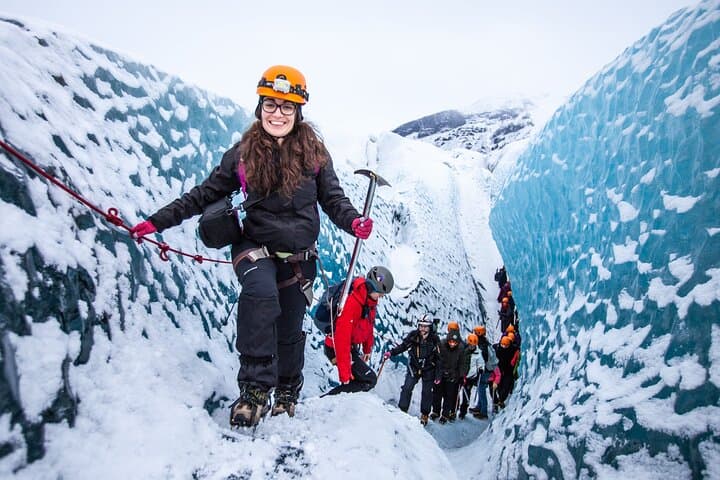
Beneath a sky of shifting light, Skaftafell’s ice reads like a map of time. This three-hour guided glacier hike mixes technical instruction with geology and culture: compact, safe, and unforgettable.