
What the day feels like
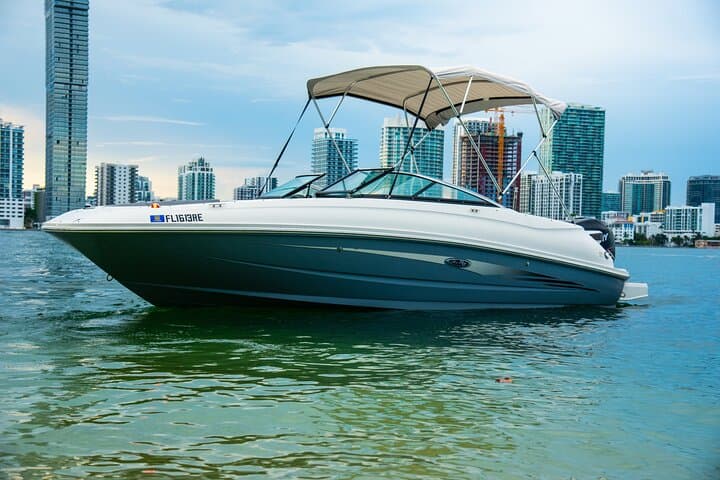
The boat slips away from the dock with a soft sigh, the city of Fort Lauderdale folding behind you into a ribbon of glass and palm trunks. On the 24-foot Sea Ray, the breeze takes on a personality—salty and curious—pushing at your hair and at the mirrored skyscrapers that keep watch over the Intracoastal Waterway. For 90 minutes you trade asphalt perspectives for an unbroken waterfront line: Las Olas mansions hunkered under banyan trees, the Riverwalk’s stair-stepped cafes, and Millionaire Row—an ever-changing parade of yachts and architectural bravado. The captain steers a deliberate course, part storyteller, part local weather-eye, pointing out details you would miss from shore: a hidden canal that serves as a private marina, an Art Deco detail on a façade, a heron balancing like a punctuation mark.
The tour, offered aboard a compact but comfortable 24-ft Sea Ray, is not a private charter and it’s non-stop—no beach landings, no swimming. That constraint sharpens the experience: everything happens in motion. You learn to read the city by water—how the ebb and flow of tides rearrange sandbars, how bridges lift to make way for commercial traffic, how a skyline reflects a century of Florida optimism. It’s a short window, but the framing is cinematic. Photographers lean across stainless railings; couples find quiet corners; first-time visitors map the coastline like explorers logging possessions.
Fort Lauderdale’s waterways are not just scenic backdrops. They are living infrastructure with a layered history. Once a network of mangrove-lined creeks used by the Tequesta and later by early settlers for fishing and transport, these channels became the arteries of a modern leisure economy. Port Everglades, a working seaport carved into Broward County’s coast, sits juxtaposed to luxury marina slips, creating a dynamic where industrial utility and leisure culture reflect and repel one another. Geologically, the city perches on Pleistocene terraces where limestone and sand meet the Atlantic’s push; you can sense this meeting in the way the water scours and reshapes fingers of land and spoil islands.
Culture rides shotgun on the boat—Fort Lauderdale is less a single identity than a stack of influences. Las Olas Boulevard’s galleries and tapas bars are only a few blocks from working waterfronts where shrimpers still mend nets. The boat’s captain may mention events that make the harbor sing: boat parades that dazzle during winter holidays, regattas that collect schooners and speedboats, the seasonal runs of sea life. Dolphins often escort tour boats with opportunistic grace; if you’re lucky you’ll get a show. There’s also another side: the city’s commitment to protecting its waterways has led to regulations—no-wake zones, manatee protections, and cleanup efforts designed to balance commerce, tourism, and ecosystem health.
Why take this tour? For the immediacy of place: 90 minutes is long enough to form a mental map and short enough to fit between other plans. This is a vantage point for people who don’t want a long cruise but want a meaningful exposure to what Fort Lauderdale is from the water. The price point—around $150 per person—is a mid-range buy-in for a small-group experience with instant confirmation and easy cancellation. Practical details matter: the boat is not large, so expect cozy seating and a social vibe. Photographers should arrive early and claim a side for unobstructed views.
For planning: morning trips give you softer light and calmer water, while late-afternoon outings can deliver golden-hour skyline shots. Sunscreen is non-negotiable; the Florida sun is a persistent editor. If you’re prone to motion sickness, take precautions—the boat moves with the Atlantic’s temperament even inside the Intracoastal. Tours run year-round, but seasonal conditions change the character of the waterway: winter brings clearer skies and more boating traffic, summer swells lead to breezier rides and afternoon thunderstorms.
The narrative is simple: Fort Lauderdale is best read from its water. The boat tour compresses geography and history into a mobile essay—land uses and lifestyles slide by, and every turned corner is a paragraph. It’s a tidy introduction for first-time visitors and a pleasing refresher for returnees who want to see familiar streets from a new angle. Practical enough for planners, evocative enough for dreamers, this 90-minute trip is an efficient way to learn a coastal city’s rhythm without committing to a full day on the water.
Trail wisdom
Small choices, better day.
Time your light
Book a morning ride for calm water and softer light, or late afternoon for golden-hour skyline shots.
Pack sun protection
Bring high-SPF sunscreen, sunglasses, and a hat—shade is limited on a 24-ft boat.
Prepare for motion
If you’re prone to seasickness, take an antiemetic beforehand and choose a mid-boat seat for less motion.
Claim your photo side
Arrive early to choose a side of the boat based on the sun’s position to avoid glare in pictures.
Local knowledge
Read the place, not just the route.
Watch for native species including Atlantic bottlenose dolphin, West Indian manatee.
Keep an eye out for wildlife during the transition between areas and habitats. Respect distance guidelines.
Operators follow local no-wake and manatee protection zones; avoid feeding wildlife and dispose of trash properly to protect the fragile coastal ecosystem.
Follow the guide's instructions on size limits, ethical handling, and leave-no-trace practices.
Quiet side channels near Las Olas that show private mangrove coves. Art Deco architectural details along the Riverwalk visible only from water
Locally recommended viewpoints and quiet spots known best to local operators.
Fort Lauderdale grew from a 19th-century trading post into a 20th-century resort town; its Intracoastal Waterway shaped both commerce and leisure.
Maritime roots and regional tradition shape the waterways and working coasts.
Seasonal guide
Four versions of the same landscape.
Spring
Best forDolphin sightings · Mild temperatures
ChallengesOccasional rain showers · Busy holiday weekends
Spring offers pleasant temperatures and active marine life, though weekends can be crowded with other boats.
Summer
Best forLush green shorelines · Long daylight hours
ChallengesAfternoon thunderstorms · Heat and humidity
Summer’s vibrant foliage and extended daylight come with higher heat and a higher chance of storms—plan for sunscreen and a light rain layer.
Fall
Best forClear water days · Fewer crowds
ChallengesHurricane season tail risks · Unpredictable weather
Fall can be a sweet spot for clearer water and smaller crowds, but keep an eye on storm advisories during hurricane season.
Winter
Best forCrisp skies · Peak boating activity
ChallengesHigher tourism demand · Cooler breezes on open water
Winter brings clear skies and busy ports—book ahead and bring a light jacket for winds on the water.
Operator details
What the booking data adds.
Included
- ✓Life jackets
Not included
- —Gratuities
Good to know
- ✓Service animals allowed
- ✓Public transportation options are available nearby
- ✓Infants are required to sit on an adult’s lap
- ✓Not recommended for travelers with spinal injuries
- ✓Not recommended for pregnant travelers
- ✓Travelers should have at least a moderate level of physical fitness
Pack with intention
What to bring.
Good to know
Common questions.
The tour lasts approximately 90 minutes.
Plan the edges
The details that make the day easier.
Fort Lauderdale is often called the 'Venice of America' due to its extensive network of canals—local sources commonly cite roughly 300 miles of waterways connecting the city.
After the tour, walk Las Olas Boulevard for grilled seafood and craft cocktails—spots like Coconuts or neighborhood tapas bars offer a waterfront vibe. For a casual drink with locals, try the Riverwalk bars near downtown.
- Closest airport
- Fort Lauderdale-Hollywood International Airport (FLL) — ~10–20 minutes drive; Nearest meeting area: Port Everglades
- Las Olas docks; Driving distance from downtown Fort Lauderdale
- under 10 minutes; Cell service: reliable in and near the city, intermittent on open water; Permits: none required for passengers—operator handles vessel compliance.
Respect manatee zones and no-wake areas, avoid single-use plastics on board, and follow crew direction to minimize wake and shoreline disturbance.
Explore by topic
Follow the threads.
Keep exploring
Make the story part of the trip.
 Related story
Less than two hours from Nairobi, Kereita Forest pairs hands-on canopy adventure with quiet montane trails and a sobering colonial history—perfect for families, teams, and curious travelers seeking a full-day pulse of nature.
Set out from Bass Harbor for a private, customizable day on Blue Hill Bay — lighthouses, puffins, seals, and the chance to feel Acadia from the water. Small groups, local captains, unforgettable views.
In four hours you can move from shaded canyon ferns to wind-scoured coastal ridgelines, guided by someone who knows where the light—and the hidden views—live. This private half-day hike on the Monterey Peninsula or Big Sur is compact, curated, and perfect for travelers who want depth without a multiday commitment.