
What the day feels like
The bow parts the glassy channel like a promise. Low dunes to starboard, marsh grass to port; a breeze carries salt and the sharp, astonished calls of shorebirds. Fifty yards off, a mare stands ankle-deep on a sandbar, mane whipped by wind, her coat the color of wet driftwood. Minutes later a pod of bottlenose dolphins arcs beside the hull, silver backs flashing, as if to answer the horses’ quiet curiosity. This is the rhythm of the PONY EXPRESS NATURE CRUISE — a compact, 1.5–2 hour window into the braided life between Chincoteague and Assateague, where wildlife keeps its own timetable and the scenery refuses to be hurried.
Departing from Curtis Merritt Harbor in Chincoteague, the local captain steers into the sheltered waters that split the two barrier islands. It’s an obvious route for a reason: the back side of Assateague is where ponies come to graze the seaweeds, bald eagles patrol the marsh creeks, and dolphins hunt the channels. The trip is intimate by design — fewer passengers, plenty of shoreline to scan, and the know-how of guides who read tides and animal behavior like a map. For families, photographers, and anyone who wants wildlife with minimal effort, it’s the most direct way to meet this corner of the Atlantic coast.
Assateague and Chincoteague are more than pretty vistas; they are textbook barrier-island geography. These long, thin islands migrate with storms, tides, and time — their beaches and marshes are shaped by wind and swell, and their shallow bays warm and cool fast, which in turn influences bird and fish movements. The wild horses, the subject of local fascination, are feral stock with origins debated between shipwreck tales and colonial farming escapes. Today the herds are managed and observed, not owned; the Chincoteague Volunteer Fire Company famously conducts periodic rounding and sale events that fund community services.
On board, the guide threads stories into the route: where the lighthouse stands as a sentinel on the island’s spine, where the herd favors a certain inlet at low tide, and how dolphins will sometimes shadow the boat for reasons that feel half-playful and half-practical. Time of day matters less than tide here — low tides expose sandbars and change where animals concentrate — but mornings and late afternoons often offer softer light and calmer water for photography. The boat’s accessible dock and friendly crew make it possible for a wide range of travelers to join the outing, including visitors with mobility concerns.
If you’re planning to come, a few practical realities will improve the experience. The cruise lasts 1.5 to 2 hours; bring binoculars, a wind layer, and sunscreen. Seas are usually mild in the sheltered bays, but spray and wind are constants on exposed points; a waterproof outer layer is smart even on warm days. Cameras with a telephoto will capture both close pony interactions and distant dolphin breaches; phones work fine, but a 200mm equivalent lens helps. Consider motion-sickness remedies if you’re sensitive — the ride is smooth more often than not, but the ocean has moods.
The best window to see the ponies and a rich variety of wildlife runs from mid-April through mid-October, though hardy photographers pursue sightings year-round. If timing matters to you, plan for weekdays in shoulder season (May–June, September) to avoid ferry-day crowds and to align tides with morning or late-afternoon light. For families, the cruise is forgiving; it’s as educational as it is scenic, and kids under three ride free, which makes this one of the easiest nature outings on the Eastern Shore.
Beyond the boat, the islands offer connective experiences: walk the trails of the Chincoteague National Wildlife Refuge, read the history at the refuge visitor center, or time your visit around the pony penning if you want a different kind of spectacle. When you return to Chincoteague, the town’s seafood kitchens and ice-cream shops feel like essential punctuation to a day spent outdoors — a reminder that the island’s human story is braided with its natural history.
Operationally, the cruise is straightforward: book ahead (slots fill on summer weekends), show up a little early for boarding, and let the crew know about any mobility needs so they can assist with the accessible dock. The route is flexible; the captain will chase herds and pods, and that adaptability is part of why this short cruise feels so full. If you want to read up or book in advance, the local operator maintains an online hub where details, schedules, and booking are kept current: <a href='https://app.advcollective.com/local-experts/explore-wild-ponies-and-dolphins-on-the-assateague-explorer-nature-cruise'>Assateague Explorer nature cruise</a>.
At two hours’ end you’ll step back onto Curtis Merritt Harbor with salt in your hair, sand between your toes, and a small stack of images and sensations that don’t overpromise: a real slice of coastal ecology, accessible to curious travelers. This isn’t a thrill ride; it’s nature’s gentle insistence that you pause, look, and notice. And for a short, managed outing that gives you the best chance to see ponies, dolphins, eagles, and shorebirds in one sweep, it’s hard to beat.
Trail wisdom
Small choices, better day.
Bring Binoculars
A 8–12x pair reveals pony interactions and distant dolphins that the naked eye misses.
Layer Up
Water spray and wind make a lightweight windproof shell more useful than a heavy coat.
Motion-Sickness Prep
If you’re susceptible, take a preventative medication or use acupressure bands before boarding.
Respect Wildlife Distance
Let the crew choose how close to approach—never attempt to get closer or feed animals.
Local knowledge
Read the place, not just the route.
Watch for native species including Bottlenose Dolphin, Chincoteague Pony (feral horse).
Keep an eye out for wildlife during the transition between areas and habitats. Respect distance guidelines.
Tours operate in cooperation with refuge rules—avoid feeding wildlife, pack out trash, and stay on approved viewing corridors to reduce disturbance.
Follow the guide's instructions on size limits, ethical handling, and leave-no-trace practices.
Back-reef sandbars that concentrate birdlife at low tide. Views of the Assateague Lighthouse from the marsh-side approach
Locally recommended viewpoints and quiet spots known best to local operators.
Assateague’s barrier islands have shifted for centuries; the Chincoteague ponies are managed locally and have cultural roots tied to the Chincoteague Volunteer Fire Company’s historic events.
Maritime roots and regional tradition shape the waterways and working coasts.
Seasonal guide
Four versions of the same landscape.
Spring
Best forMigratory birds · Calmer shoulder-season water
ChallengesCooler mornings · Unpredictable rain
Spring brings migrating shorebirds and increasing pony activity; expect cool, changeable weather and prime birdwatching.
Summer
Best forWarm water dolphin activity · Full wildlife months
ChallengesHigher crowds · Midday heat
Summer offers the broadest wildlife window and warm water for dolphins, but plan for crowds and book ahead.
Fall
Best forLower crowds · Clear light for photos
ChallengesShorter days · Cooler winds
Fall’s golden light and thinner crowds make for excellent photo conditions; bring a warm layer for evenings.
Winter
Best forQuiet solitude · Different shorebird species
ChallengesCold exposure · Less frequent cruises
Winter is quieter and offers a different palette of birds, though tours are less frequent and weather can be harsh.
Pack with intention
What to bring.
Good to know
Common questions.
Tours run approximately 1.5 to 2 hours, depending on wildlife opportunities and tides.
Plan the edges
The details that make the day easier.
The Chincoteague ponies are a feral herd closely associated with the Chincoteague Volunteer Fire Company, which holds the annual Pony Penning event to manage herd size and fund the fire department.
After the cruise, grab fresh steamed seafood or oysters at local waterfront restaurants, then walk Main Street for ice cream at Island Creamery and local crafts that celebrate the island’s maritime heritage.
- Closest major airport
- Norfolk International Airport (ORF) ~1.5–2 hours drive; Curtis Merritt Harbor is a 5–10 minute drive from Chincoteague town center; Cell service is generally available on the island but can be spotty on open water; No permits required—book online and arrive early for boarding.
This cruise operates near protected refuge lands—do not feed wildlife, keep noise levels low, and pack out all trash to minimize disturbance to birds and shore habitats.
Explore by topic
Follow the threads.
Keep exploring
Make the story part of the trip.
In four hours you can move from shaded canyon ferns to wind-scoured coastal ridgelines, guided by someone who knows where the light—and the hidden views—live. This private half-day hike on the Monterey Peninsula or Big Sur is compact, curated, and perfect for travelers who want depth without a multiday commitment.
 Related story
Beneath a sky of shifting light, Skaftafell’s ice reads like a map of time. This three-hour guided glacier hike mixes technical instruction with geology and culture: compact, safe, and unforgettable.
 Related story
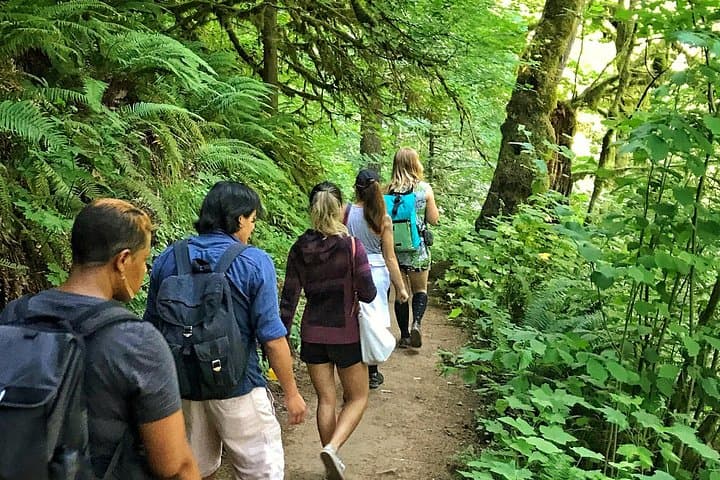
Lose the city for a few hours without leaving it: this 5-mile, 900-foot-gain Forest Park loop threads old-growth pockets, city viewpoints, and cultural landmarks for a compact taste of Portland’s wild side. Expect moss, roots, and stories.