
What the day feels like
The sun arrives early in the Eastern Desert, pushing cool indigo into bruised apricot, and the dunes catch light like a slow-rolling flame. You feel it first in the sand underfoot—granules that shift and sigh with every step—and then in the wind, which seems to have a will of its own, sculpting ridges and wiping footprints clean as if the desert prefers a private memory. By the time the quad engine burbles to life, the horizon has hardened into a line of gold; the dunes are waiting.
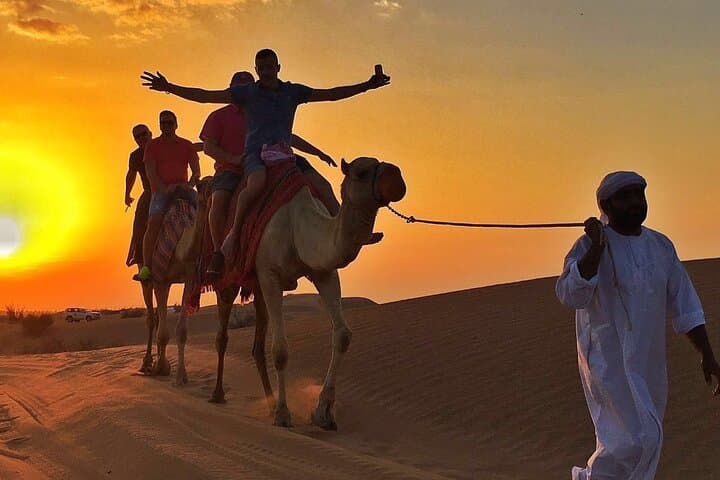
This is a classic Hurghada half-day: a four-hour loop that trades the coral world of the Red Sea for the dry theatricality of the Eastern Desert. The itinerary is simple and effective: a guided quad (ATV) blast across wind-rounded dunes, a slow camel ride where you let the animal set the pace, and a visit to a Bedouin encampment for tea and light conversation. It’s compact, approachable for first-time riders, and capable of delivering a series of sharp, memorable contrasts—engine noise and utter silence, a manufactured seatbelted adrenaline rush and the steady, old-world rhythm of a camel’s walk.
Geology keeps the show running. The Eastern Desert is a sunbaked wedge of land between the Nile and the Red Sea, where wind and time have arranged sand and rock into dunes, plateaus, and occasional outcrops of granite. Those sand dunes are not endless Sahara sea; they’re local wind-fields, migrating and reshaping with the seasons—great if you like the idea that the landscape will look different each time you visit. Human history is layered in quieter ways. Bedouin groups have traversed and lived in this landscape for generations; their camps are still places of hospitality more than commerce, and tea is a ritual as much as a refreshment.
Culture arrives in small, tactile ways along the tour. At the Bedouin village, expect an invitation to sit on woven carpets, to try sweet mint tea or bitter herbal infusions, and to hear snatches of conversation about water, grazing routes, and the slow changes tourism has brought. Respect and curiosity go a long way. Ask questions, accept tea with both hands, and remember that for local hosts the desert is home—not merely a backdrop for your photos.
Why travelers book this kind of tour? For many, it’s the compression of experiences: a taste of adrenaline on a quad, the tactile novelty of camel travel, and a short cultural exchange with Bedouin hosts—all inside a few hours and without the logistics of an overnight expedition. It’s good for pairs or small groups, for families with older kids, or for anyone who wants a desert fix without committing to a multi-day trek.
Practical details are straightforward. The tour departs from Hurghada and runs roughly four hours total—enough time to cover 20–40 kilometers of desert depending on the route and the dune field you ride. Elevation change is negligible; this is flat, wind-shaped terrain rather than mountain climbing, but the sand is physically demanding on foot and the quads demand attentiveness—loose sand, sudden lips, and rolling crests are the hazards, not steep ascents. Wear closed-toe shoes and layers, protect your face from sun and grit, and carry water. Operators typically provide helmets and brief safety instruction before the quad leg and will guide camel rides for people with minimal experience.
Safety and sustainability overlap. Choose an operator that respects camel welfare and that pays its Bedouin hosts fairly. Avoid vendors who encourage close contact with wildlife or charge to hold or pose with animals beyond the camel ride itself. In terms of timing, the best hours are early morning or late afternoon: less heat, softer light, and the dune shadows that make the landscape readable in photographs.
If you go, make the most of the contrasts. Lean into the quad: sense how the vehicle responds to wind-swept ridges, keep your weight back on descents, and let an experienced guide pick the lines. Then dismount and slow down on a camel—notice how animal locomotion shapes your balance and the rhythm of conversation. Accept the tea: the sugar and mint will reset your palate, and the chance to sit on a carpet under a simple shelter is one of the most intimate ways to understand the human life of the desert.
This tour is not for technical explorers looking for deep geology or long-distance hiking, nor is it a substitute for extended Bedouin stays that allow for deeper cultural exchange. What it is: a well-built half-day adventure that gives you a sense of place and a few honest stories to bring home. For travelers in Hurghada who want to swap reef for ridge for an afternoon, it’s a practical, high-return way to touch the desert and leave with new textures in your memory: the sand between your toes, the smell of tea drifting through wind, and the peculiar quiet that only a sunburned expanse can produce.
Trail wisdom
Small choices, better day.
Protect Your Face
Bring a lightweight buff or scarf to keep sand out of your mouth and eyes during quad runs.
Pick Morning or Late Afternoon
Temperatures are far more comfortable and the light is better for photos outside the midday heat.
Secure Loose Items
Strap phones and cameras down—loose objects can fly off during dune descents.
Respect Bedouin Customs
Accept tea with both hands and ask before photographing people in the camp.
Local knowledge
Read the place, not just the route.
Watch for native species including Desert fox (Fennec or local varieties), Desert lark and other small passerines.
Keep an eye out for wildlife during the transition between areas and habitats. Respect distance guidelines.
Support operators who pay local hosts fairly, avoid single-use plastics, and do not disturb wildlife; camel welfare is an important consideration—ask about animal care.
Follow the guide's instructions on size limits, ethical handling, and leave-no-trace practices.
A short stop at a low granite outcrop for a quick, sheltered picnic with panoramic views. A small Bedouin craft demonstration—handwoven carpets or simple jewelry—ask your guide to arrange
Locally recommended viewpoints and quiet spots known best to local operators.
The Eastern Desert has been traversed by Bedouin tribes for centuries; modern tourism began transforming Hurghada in the late 20th century.
Maritime roots and regional tradition shape the waterways and working coasts.
Seasonal guide
Four versions of the same landscape.
Spring
Best forMild temperatures · Wildflower sightings on desert margins · Comfortable quad rides
ChallengesOccasional strong sirocco winds · Dusty conditions
Spring brings milder days and manageable heat—great for active outings, though wind can pick up and send sand drifting.
Summer
Best forLonger daylight hours · Sun-drenched dune colors
ChallengesHigh daytime temperatures · Heat stress and limited shade
Summer is hot; early-morning or sunset tours are essential to avoid peak heat and dehydration.
Fall
Best forComfortable temperatures · Golden light ideal for photography
ChallengesOccasional crowds in high season
Fall is the sweet spot—warm days, cool nights, and excellent light for sunset dune runs.
Winter
Best forCooler daytime outings · Stargazing after sunset
ChallengesChilly mornings and evenings · Possible wind and sand gusts
Winters are cool and crisp—dress in layers for morning and evening temperature swings.
Pack with intention
What to bring.
Good to know
Common questions.
The tour runs about four hours from pick-up to drop-off, including quad time, a camel ride, and a stop at a Bedouin camp.
Plan the edges
The details that make the day easier.
Hurghada was a small fishing village until rapid development in the 1980s transformed it into one of Egypt's primary Red Sea resort cities.
After your tour, head back to Sheraton Road in Hurghada for fresh grilled seafood at a local restaurant or a casual cafe for mint tea; if you want local color, look for eateries with Bedouin-style decor and simple mezze—ask your guide for a nearby recommendation.
- Closest airport
- Hurghada International Airport (HRG); Typical drive from city center to dune area: 20–40 minutes; Cell service: usually OK near roads, patchy deeper in the desert; Permits: none required for day tours—follow your operator’s guidance and local rules.
Respect Bedouin culture, avoid single-use plastics, and choose operators that prioritize animal welfare and fair compensation for local hosts—pack out what you pack in.
Explore by topic
Follow the threads.
Keep exploring
Make the story part of the trip.
Set out from Bass Harbor for a private, customizable day on Blue Hill Bay — lighthouses, puffins, seals, and the chance to feel Acadia from the water. Small groups, local captains, unforgettable views.
In four hours you can move from shaded canyon ferns to wind-scoured coastal ridgelines, guided by someone who knows where the light—and the hidden views—live. This private half-day hike on the Monterey Peninsula or Big Sur is compact, curated, and perfect for travelers who want depth without a multiday commitment.
 Related story
Beneath a sky of shifting light, Skaftafell’s ice reads like a map of time. This three-hour guided glacier hike mixes technical instruction with geology and culture: compact, safe, and unforgettable.