
What the day feels like
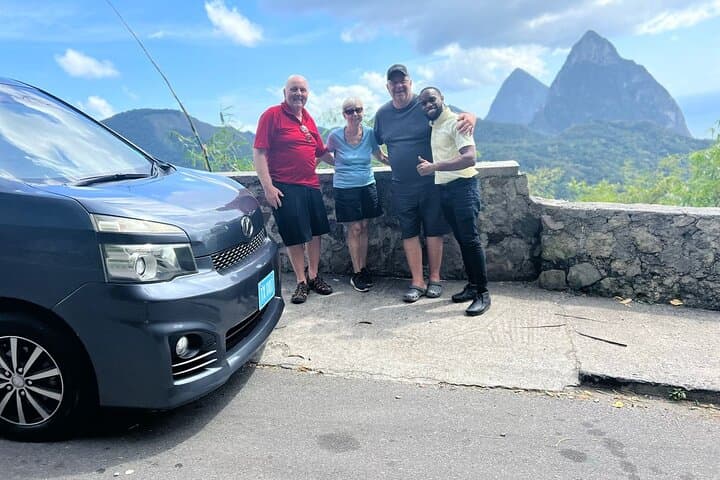
You arrive over a bend in the coastal road and the land takes on a new scale: two serrated peaks sit shoulder to shoulder like sentinels out of another world. The Pitons—Gros Piton and Petit Piton—rise from the Caribbean as basalt fins, green with rainforest and laced with cloud. On a private Soufrière Adventure, those peaks are the compass points for a day that moves from volcanic heat to the hush of jungle-waterfalls, from roadside fishing villages to the mineral-scented steam of a drive-in volcano.
The tour opens as a scenic drive. Small communities and palm-fringed bays slip past the window—houses painted coral and mint, fishermen mending nets beside outboard motors. The pace is deliberate, with stop-and-stare moments that let you decode the island’s layers: French and English colonial architecture, sprawling banana groves, and the muted geometry of agricultural terraces that feed nearby towns. You’ll find that Soufrière itself is less a single place than a cluster of experiences packed tightly together: the UNESCO-listed Pitons, the Sulphur Springs, the mud baths, and a handful of short but memorable waterfall walks.
Geologically, the scene is loud and recent. The Pitons are volcanic plugs, hard cores of magma left behind as softer rock eroded away—one of the few examples on Earth rising directly from the sea. Sulphur Springs sits in the caldera of an ancient volcano; it’s often billed as the Caribbean’s only drive-in volcano, where steam vents and bubbling pools mark a still-active geothermal system. The mud baths, fed by warm, mineral-rich waters, are a tactile tie-in to the island’s hot underbelly: smear a cool grey paste over sun-warm skin and feel the minerals tighten, then rinse in a freshwater cascade.
History and culture are woven through these natural features. Soufrière was once the colonial capital of Saint Lucia; its harbor and fertile soil made it a contested prize among European powers. Today, the town and its surroundings retain a Creole character—language, cuisine, and ritual shaped by African, French, and English influences. Local fishermen still pull in yellowfin and flying fish at dawn, and roadside stalls sell saltfish and ground provisions that tell you more about the place than any brochure.
Practicality sits next to romance on this drive. The tour is private and typically runs five to six hours—long enough to see the major sites without the herd mentality of larger buses. You spend minimal time hiking and more time enjoying short, manageable walks: a few stair steps down to a waterfall plunge pool, a path around the sulphur vents, and viewpoints that require steady footing but no technical gear. The contrast is deliberate—hot springs and sulfur-smudged steam one moment, cool spray under jungle canopy the next.
Plan your day to maximize light and comfort. Morning tours catch the Pitons in cleaner air and gentler sun; late afternoon softens the cliffs and makes for better photos. Bring a small towel and swimsuit for a quick dip at Toraille Falls, and a change of clothes for the ride back. Footwear should be sturdy enough for slick stone and muddy trails—flip-flops won’t do if you want to climb the small staircases and explore the pools.
Guide skill matters. A local driver-guide brings more than navigation; they bring context—the best place for a view, which vendor grills the freshest fish that morning, and the story behind a particular spring or rock formation. They’ll also advise on timing: linger at a lookout for a sunrise-slick sea, or sidestep crowds by visiting Sulphur Springs early before coaches arrive.
Safety is straightforward but not trivial. Sulphur vents are hot and acidic; stick to marked paths and obey park signage. Waterfalls are beautiful but can be slippery; use caution stepping onto rocks and always test currents before entering. The Caribbean weather is mercurial—storms can develop quickly during the wet season—so a rain jacket and waterproof phone case are practical investments.
Beyond logistics, the day offers simple, sensory pleasures: the citrus-sour tang of sulfur in the air, the way sunlight stitches into leaves on the rainforest paths, the soft sound of falling water at Toraille. Food anchors the experience afterward—grab grilled fish with provisions or a small plate of saltfish and green figs at a harbor stall, and you’ll understand why Soufrière’s cuisine feels rooted in place.
For travelers who want an accessible introduction to Saint Lucia’s dramatic geology and culture, a private Soufrière tour is efficient and satisfying. It’s not a hard-core hike; it’s a series of beautifully curated windows into a landscape that alternates between geological fury and tropical calm. Walk a little, ride a little, soak a lot—by the end of the day you’ve touched several facets of the island and left with more than photographs: a sense of how land, sea, and human life converge beneath the Pitons.
Trail wisdom
Small choices, better day.
Start Early
Begin in the morning to avoid midday crowds at Sulphur Springs and catch clearer air around the Pitons.
Bring Swimwear and Quick-Dry Towel
Toraille Falls and the mud baths are best experienced with a swimsuit and something to dry off with.
Wear Grippy Shoes
Trails and rocks can be slick—sturdy trail shoes or sandals with tread reduce slips.
Respect Hot Spring Signs
Stay on marked paths around Sulphur Springs—vent openings are hot and acidic.
Local knowledge
Read the place, not just the route.
Watch for native species including Brown pelican, Green vervet monkey (occasionally seen in rural areas).
Keep an eye out for wildlife during the transition between areas and habitats. Respect distance guidelines.
The Pitons are a UNESCO World Heritage Site—stay on marked trails, avoid feeding wildlife, and support local guides who practice low-impact tourism.
Follow the guide's instructions on size limits, ethical handling, and leave-no-trace practices.
Caribbean coastal viewpoints east of Soufrière that reveal the Pitons from unusual angles. Small roadside fish grills near the harbor where fishermen sell the day’s catch
Locally recommended viewpoints and quiet spots known best to local operators.
Soufrière was once the colonial capital of Saint Lucia and remains a cultural hub where Creole cuisine and French-English colonial influences meet.
Maritime roots and regional tradition shape the waterways and working coasts.
Seasonal guide
Four versions of the same landscape.
Spring
Best forClear views of the Pitons · Moderate temperatures · Fewer afternoon storms
ChallengesTransition to wet season late spring · Possible brief showers
Late winter into spring gives stable weather and excellent visibility for coastal and mountain views; bring a light jacket for cool mornings.
Summer
Best forLush rainforest color · Warm sea temperatures · Fewer cruise-ship crowds on some days
ChallengesHigher rainfall · Heat and humidity · Hurricane season begins in June
Summer is green and warm but wetter—pack a waterproof shell and watch forecasts during hurricane season.
Fall
Best forQuieter tourist season · Warm waters · Good deals on lodging
ChallengesPeak hurricane risk Sept–Nov · Patchy service during heavy storms
Fall offers warm water and fewer visitors but carries the highest risk of tropical storms—travel insurance is wise.
Winter
Best forDry conditions and clear skies · Comfortable daytime temperatures · Peak visibility of the Pitons
ChallengesHigher visitor numbers Dec–Feb · Advance bookings recommended
Winter is prime for photography and outdoor exploration—expect more tourists and book a private tour to avoid crowds.
Operator details
What the booking data adds.
Included
- ✓Private transportation
- ✓Soda/Pop
- ✓Bottled water
- ✓All Entrance Fee's
- ✓Lunch
- ✓Air-conditioned vehicle
- ✓Local Beer
Good to know
- ✓Infants and small children can ride in a pram or stroller
- ✓Specialized infant seats are available
- ✓Suitable for all physical fitness levels
- ✓Car Seats for infants are provided only if requested.
- ✓Drive to soufriere takes 1 hour 30 minutes to 2 hours depending on client's pick-up location and time spent at Viewpoints.
Pack with intention
What to bring.
Good to know
Common questions.
The tour typically runs between 5 and 6 hours, long enough to visit the Pitons viewpoint, Sulphur Springs, mud baths, and Toraille Falls.
Plan the edges
The details that make the day easier.
The Pitons were designated a UNESCO World Heritage Site in 2004 for their outstanding geological features and biodiversity.
After the tour head to a seaside eatery in Soufrière for fresh grilled fish and Creole sides; for a splurge, Dasheene at Ladera offers dinner with one of the island’s most famous views of the Pitons. Don’t miss roadside vendors selling local fruit—Saint Lucia’s black pineapple is a must-try.
- Closest international airport
- Hewanorra International Airport (UVF); Common departure city: Castries or Soufrière; Driving time from Castries: ~45–60 minutes; Cell service: Good in towns, patchy in some valleys; Permits
- fees
- Entry fees apply for Sulphur Springs Park and some attractions; private tour usually covers transport and guide.
The Pitons area is ecologically sensitive—stick to marked trails, pack out all trash, avoid single-use plastics, and choose licensed local guides to ensure tourism benefits the community.
Explore by topic
Follow the threads.
Keep exploring
Make the story part of the trip.
Set out from Bass Harbor for a private, customizable day on Blue Hill Bay — lighthouses, puffins, seals, and the chance to feel Acadia from the water. Small groups, local captains, unforgettable views.
In four hours you can move from shaded canyon ferns to wind-scoured coastal ridgelines, guided by someone who knows where the light—and the hidden views—live. This private half-day hike on the Monterey Peninsula or Big Sur is compact, curated, and perfect for travelers who want depth without a multiday commitment.
 Related story
Beneath a sky of shifting light, Skaftafell’s ice reads like a map of time. This three-hour guided glacier hike mixes technical instruction with geology and culture: compact, safe, and unforgettable.