
What the day feels like
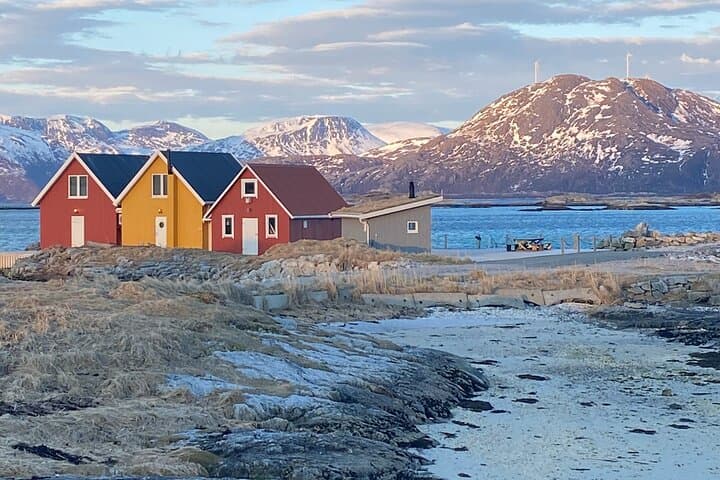
You cross your first bridge out of Tromsø and the city’s spires shrink behind you, giving way to something older and louder: the coast. The road curls along arcing fjord walls, and every bend delivers a new composition—black rock, a silver throat of water, a spray of waves on a distant shore. Sea eagles wheel on thermals as if reviewing the itinerary. Reindeer graze in the lee of ridges, unconcerned. By the time you pull into Sommarøy, an island that looks like a postcard that forgot to be subtle, the sea has already done the work of unwinding you.
This tour is compact in time—roughly four and a half hours—but expansive in experience. It’s a coastal primer: fjords carved by glaciers, mountains spiking from the waterline, and islands where the ocean demonstrates every shade of blue. The itinerary moves deliberately between viewpoints—Kaldjord and Ersfjordbotn are the photographic stops—and culminates on Sommarøy, where a local lunch and hot drink feel like a proper Arctic benediction.
Geologically, Norway’s fjords are the visible grammar of the Ice Age: glaciers gouged the valleys, and when the ice retreated, seawater rushed in to form the deep, cold channels you’re watching from the road. The contrast between sheer rock and the soft tide-line ecosystems produces a diversity of life—the birds that nest on cliffs, the seals hauled out on ledges, and the reindeer that still wander the tundra fringes. Culturally, Tromsø is simultaneously a university town and a working Arctic port: a place with expedition history, Sami presence in the surrounding county, and a fishing industry that still shapes much of daily life on the smaller islands.
What makes a half-day like this feel like a true adventure is the proximity: you’re never more than an arm’s length from dramatic geology and alive ecosystems, yet you’re standing on stable ground—no multi-day pack or glacier training required. The tour does the driving logistics for you, so your job is to look, listen, and keep the camera ready. That said, the access is real. Expect short shoreline walks, uneven gravel at view-stops, and salty wind that can change plans faster than a weather app.
Wildlife sightings are a headline, but not a guarantee. Sea eagles, reindeer, and sometimes seals and otters make appearances. On clear days in summer, mountains reflect into fjord glass; in winter, the drama shifts—low light, northern lights if the aurora cooperates, and a rawness to the landscape.
Practicalities are straightforward. The tour runs about 270 minutes and includes lunch on Sommarøy—usually fresh, simple fare and hot drinks that counter the sea breeze. Terrain is gentle: most stops are curb-to-viewpoint walks, with minimal elevation gain. Still, dress like you’re going to be outside for a few hours in an exposed place: layers, waterproof shell, and shoes with grip are the difference between a memorable stop and a cold, hurried retreat.
For photographers, the fjords are generous. Bring a wide-angle for landscape sweeps and a telephoto to isolate birds or wildlife on distant ridges. A polarizing filter helps control reflections on inshore waters. If you travel in low light, tighten your shutter speed or brace on railing—tripods are useful but the tour’s pacing means a monopod or stabilized lens is often more practical.
This tour is ideal for travelers who want an efficiently curated Arctic day: a taste of fjords, a window into coastal life, and a meal that feels like it comes from the surrounding sea and land. It’s not a hike into the interior or a multi-day expedition—what it is, is access. You leave with images, a clearer sense of Norway’s northern coast, and a lunch in your belly that may very well be the best part of your afternoon.
Take this if you’re after scenic photography without roughing it, if you’re curious about Arctic ecosystems, or if you simply want to spend a morning moving through some of Norway’s most photogenic fjord country. Leave time in Tromsø for a beer at Mack Brewery or a seafood dinner afterward; the town rewards slow, local meals after a day of ocean wind and viewpoint scanning.
In short: the Tromsø Arctic Fjords tour with a local lunch is a compact lesson in coastal Norway—geology and wildlife delivered with hospitality and ease, suitable for travelers who want the raw edges of the Arctic without the logistical heavy lifting.
Trail wisdom
Small choices, better day.
Layer for wind
Bring a warm mid-layer and a windproof, waterproof outer—conditions change quickly along the fjord.
Keep a telephoto ready
Birds and distant wildlife often appear at fjord mouths—200mm+ helps isolate subjects without disturbing them.
Wear grippy shoes
Viewpoints and rocky shorelines can be slick; ankle-support shoes with tread make short walks safer.
Respect wildlife distance
Do not approach reindeer or nesting birds; use binoculars and telephoto lenses instead.
Local knowledge
Read the place, not just the route.
Watch for native species including White-tailed sea eagle, Semi-domesticated reindeer.
Keep an eye out for wildlife during the transition between areas and habitats. Respect distance guidelines.
Coastal habitats are sensitive—avoid trampling vegetation, keep distance from wildlife, and support local guides who use sustainable practices.
Follow the guide's instructions on size limits, ethical handling, and leave-no-trace practices.
Ersfjordbotn viewpoint—an often-quiet cove with dramatic mountain reflections at low tide. Small coves on Sommarøy—walk a few minutes off the main beach to find quieter, photogenic inlets
Locally recommended viewpoints and quiet spots known best to local operators.
Tromsø grew as an Arctic gateway for fishing, hunting, and polar exploration in the 19th and 20th centuries; the town retains a maritime and research-driven identity.
Maritime roots and regional tradition shape the waterways and working coasts.
Seasonal guide
Four versions of the same landscape.
Spring
Best forEarly migrant birds · Snow-capped peaks with longer daylight
ChallengesUnpredictable weather · Cold winds on exposed shores
Spring brings melting snow, returning birdlife, and rapidly changing conditions; dress in layers and expect both sun and squalls.
Summer
Best forMidnight Sun · Calm seas and clear views
ChallengesIncreased tourist numbers · Long daylight can confuse sleep schedules
Summer offers the warmest weather and the most stable visibility—ideal for photography and comfortable shoreline walks.
Fall
Best forAutumn colors · Lower light for dramatic photos
ChallengesShortening days · Possibility of stormier seas
Fall compresses light for rich colors and moodier skies; pack windproof clothing and an extra layer.
Winter
Best forNorthern Lights (if activity high) · Snow-draped coastal scenery
ChallengesVery cold temps · Limited daylight
Winter transforms the coast into a stark, high-contrast landscape; tours run but plan for extreme cold and limited light.
Operator details
What the booking data adds.
Included
- ✓Soup or lunch from the region.
- ✓Coffee and/or Tea
Good to know
- ✓Suitable for all physical fitness levels
Pack with intention
What to bring.
Good to know
Common questions.
Yes—this tour includes a local lunch and hot drinks served on Sommarøy as described in the itinerary.
Plan the edges
The details that make the day easier.
Tromsø sits above the Arctic Circle (about 69.65°N) and experiences both the Midnight Sun in summer and Polar Night in winter, making the same coastal landscape feel entirely different by season.
After the tour, head back to Tromsø for seafood at Fiskekompaniet or comfort dishes at Emma’s Drømmekjøkken; Mack Brewery offers a locally brewed pint, and Polaria is a quick cultural stop to learn about Arctic marine life.
- Closest airport
- Tromsø Airport (TOS). Typical meeting point: Tromsø city center. Driving distance to Sommarøy: ~60–70 km (approx 1 hour each way). Cell service: generally good on main roads, spotty on remote headlands. Permits: none required for this day tour.
This coastal area supports nesting seabirds and grazing reindeer—stay on marked paths, pack out all waste, avoid feeding wildlife, and choose local operators who follow Leave No Trace principles.
Explore by topic
Follow the threads.
Keep exploring
Make the story part of the trip.
In four hours you can move from shaded canyon ferns to wind-scoured coastal ridgelines, guided by someone who knows where the light—and the hidden views—live. This private half-day hike on the Monterey Peninsula or Big Sur is compact, curated, and perfect for travelers who want depth without a multiday commitment.
 Related story
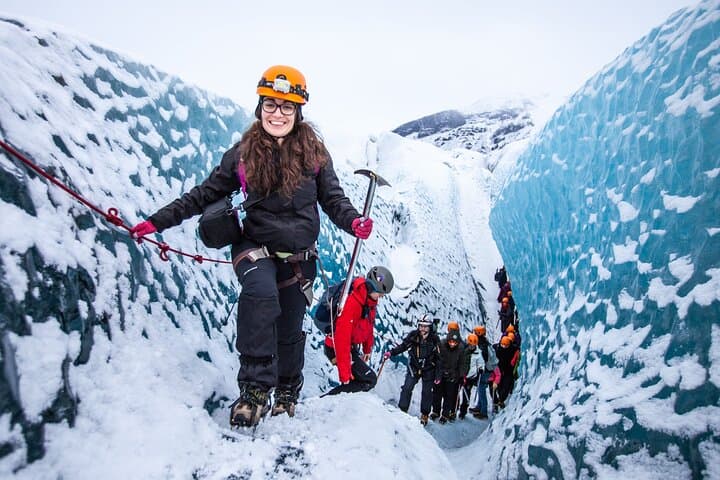
Beneath a sky of shifting light, Skaftafell’s ice reads like a map of time. This three-hour guided glacier hike mixes technical instruction with geology and culture: compact, safe, and unforgettable.
 Related story
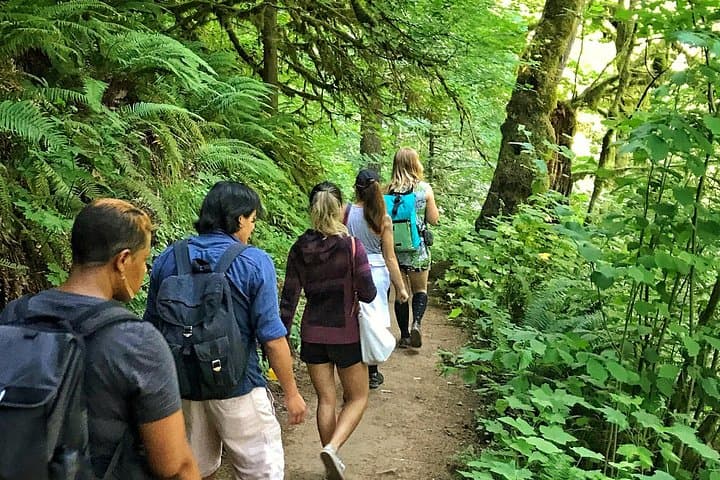
Lose the city for a few hours without leaving it: this 5-mile, 900-foot-gain Forest Park loop threads old-growth pockets, city viewpoints, and cultural landmarks for a compact taste of Portland’s wild side. Expect moss, roots, and stories.