
What the day feels like
Salt air hangs low over the Maine coast as you wheel a hardtail out of the shop and into the kind of morning that seems built for motion. The ocean hums somewhere just beyond the clapboard storefronts, and the forested hump of Mount Agamenticus—locals just call it the Big A—rises inland like a friendly challenge. Your helmet clicks, tires hiss, and the day springs to life. With a four- or eight-hour rental in your back pocket and the price of entry mind-blowingly simple (from $15 for 4 hours, $25 for 8), there’s nothing between you and the singletrack but a short drive and a little grit.
This is an easy gateway into southern Maine’s underrated mountain biking scene. The shop sets you up with a quality hardtail—straightforward, responsive, built for New England roots and rock. Helmets and locks are included, and if you ride clipped in, bring your own pedals and shoes; they’ll swap them on at pickup. From there, the plan is refreshingly uncomplicated: head a few miles inland toward a compact hill that rides far bigger than it looks.
Mount Agamenticus doesn’t tower, but it doesn’t need to. Its web of trails winds through birch and pine, skirting glacial erratics and tracing ridgelines with sneaky views toward the Gulf of Maine in one direction and the distant White Mountains in the other. The mountain carries its history in the seams—an old ski operation nicknamed the Big A once gridded these slopes, and the ridgeline played lookout long before lift towers came and went. Today, the forest has taken back the hill, and the singletrack moves with it: fast, root-stitched connectors; punchy climbs that bite, then back off; playful descents ribboning through ferny shade.
The ride starts gentle. A ring of easier options circles the base, where the trail hums and the forest answers—a chickadee scolds, a brook whispers, moss softens everything. As you gain elevation, the mountain changes its tone. Granite steps set the cadence. Needles sweep beneath your tires like velvet. Corners tighten, then spill you into sunlight. On a good day, the summit breezes push you forward as if the mountain wants you to keep exploring. This terrain is honest: it rewards momentum and clean lines, asks you to read the roots before they read you. The Big A seems to enjoy the back-and-forth—nudge, answer, repeat—like a seasoned coach who knows when to clap and when to let you figure it out.
For intermediate riders, the mountain is a sampler—enough pitch to feel it in your legs, enough flow to leave a grin. Advanced riders can chase loops that stack elevation efficiently and weave together slick-rock moments with quick-rolling forest lanes. Newer riders aren’t left out either; nearby town forests offer mellow cut-throughs for working on cornering and braking without the commitment of steeper grades. Ask the local experts for a route that matches your comfort level; they’ll point you to the right start line. A smart pre-ride move: consult trail status before you go and avoid muddy days—these trails hold up well, but they’re still living soil.
Back at the shop, practical touches make this an easy add-on to any coastal itinerary. Locks keep your bike safe when you stop for a lobster roll, and vehicle racks are available for an extra fee if your car isn’t bike-friendly. In summer, traffic along Route 1 can snarl, so roll early or late, and always ride with traffic if you’re moving between zones on pavement. Maine law requires helmets for riders under 16, and beaches are off-limits to bikes—good news for the dunes, which need the break.
What makes this experience stick isn’t just the trails. It’s the way coastal Maine stitches together water and woods in a single day. Pedal in the morning among whispering pines, rinse in the Atlantic in the afternoon, and close out with a porch-light sunset and something cold. When you rent through a local outfitter—check out <a href="https://app.advcollective.com/local-experts/land-adventures-wheels-n-waves" target="_blank">these land-adventure experts</a>—you’re tapping into a community that rides these trails on their off-hours and knows which loops run best clockwise and which days the mosquitos call the shots.
Geologically, the Big A is a compact expression of New England—granite bones draped in a mixed forest that turns to fire in October. Cultural layers run deep here: the mountain’s name appears on some of the earliest European charts of the coast, and it once supported a small ski area in the 1960s and ’70s. Look closely and you’ll still see the ghost-lines of lift cuts folding back into green. Conservationists and local volunteers have threaded careful trail work through that history, striking a balance that keeps the mountain accessible without erasing its wild personality.
For riders coming to the coast with family or friends, a short-term rental is the low-commitment way to ride hard without turning the trip into a gear puzzle. Keep it simple: toss a hydration pack in the trunk, add gloves and a multitool, and go. If you want a little guidance, chat with <a href="https://app.advcollective.com/local-experts/land-adventures-wheels-n-waves" target="_blank">Wheels N Waves’ local experts</a> for recommended loops based on fitness and time. Four hours is enough for a focused out-and-back with a summit view; eight buys the luxury of a linger—an extra lap to chase, a scenic overlook to own for ten quiet minutes while the breeze fingers the pines.
Coast to crest in a day. That’s the rhythm here. The ocean pulls with its tidal heartbeat while the hill nudges you uphill, then smiles you back down. Take what you need—an aerobic wake-up, a technical refresher, a leaf-peeping epic—and leave the rest. The mountain won’t mind. It’s patient. It’ll be here when you come back in a different season to see what the trails say then.
Trail wisdom
Small choices, better day.
Start Early for Cooler Temps
Summer traffic and heat build quickly on the coast—roll by 8 a.m. for quieter trails and easier parking.
Dial Tire Pressure for Roots
New England singletrack rides best a little softer; drop a few PSI for grip over slick roots and granite.
Pack, Then Stash
Bring a compact toolkit and small pump; leave heavy extras locked in the car with the included lock.
Know When to Yield
Trails are multi-use; yield to hikers, announce your pass, and slow down on blind corners.
Local knowledge
Read the place, not just the route.
Watch for native species including White-tailed deer, Pileated woodpecker.
Keep an eye out for wildlife during the transition between areas and habitats. Respect distance guidelines.
Stay on designated trails, avoid riding in muddy conditions, and respect wildlife corridors—these community-built trails rely on rider stewardship.
Follow the guide's instructions on size limits, ethical handling, and leave-no-trace practices.
A quiet summit viewpoint on Mount Agamenticus with distant White Mountain glimpses on clear days. Short side spur to granite outcrops that warm quickly for a snack stop
Locally recommended viewpoints and quiet spots known best to local operators.
Mount Agamenticus once hosted a small ski area known as the Big A in the 1960s–70s; traces of lift lines still ghost the hill.
Maritime roots and regional tradition shape the waterways and working coasts.
Seasonal guide
Four versions of the same landscape.
Spring
Best forCool temps and tacky dirt · Wildflower corridors
ChallengesMud on thaw days · Blackflies in late spring
Trails ride fast after a dry spell; check conditions and avoid muddy sections to protect the tread.
Summer
Best forLong daylight windows · Post-ride swims on the coast
ChallengesHeat, humidity, and busy roads · Mosquitoes at dusk
Go early or late, bring extra water, and expect heavier traffic on coastal routes.
Fall
Best forPeak foliage views · Crisp, grippy singletrack
ChallengesLeaf-covered roots hiding slick spots · Shortening daylight
Arguably the best season—watch for hidden obstacles under leaves and plan rides to beat sunset.
Winter
Best forCrowd-free exploration on thaw-free days · Fat biking where permitted
ChallengesIce, snow, and freeze-thaw cycles · Limited daylight
Check access rules and traction needs; some days are better spent hiking if trails are icy or soft.
Pack with intention
What to bring.
Good to know
Common questions.
A quality hardtail mountain bike, helmet, and lock are included; additional helmets/locks and vehicle racks are available for an extra fee.
Plan the edges
The details that make the day easier.
Mount Agamenticus was home to the Big A ski area from 1966 to 1974, and remnants of the old ski infrastructure can still be found near the summit.
Post-ride, hit Fisherman’s Catch in Wells for a classic lobster roll, then sample local pours at SoMe Brewing Company in York. In Ogunquit, grab a slice and a pint at Cornerstone and watch the last light from Marginal Way before calling it a day.
- Closest airport
- Portland International Jetport (PWM), ~40–50 minutes. Trailhead: Mount Agamenticus, ~20 minutes from Ogunquit
- Wells. Cell service
- Spotty in the woods; better on the coast. Permits: No biking permits required; follow posted trail rules and seasonal closures.
Ride only when trails are dry, stick to designated routes, and avoid skidding to reduce erosion. This hill’s singletrack is volunteer-built—your good habits keep it open and thriving.
Explore by topic
Follow the threads.
Keep exploring
Make the story part of the trip.
In four hours you can move from shaded canyon ferns to wind-scoured coastal ridgelines, guided by someone who knows where the light—and the hidden views—live. This private half-day hike on the Monterey Peninsula or Big Sur is compact, curated, and perfect for travelers who want depth without a multiday commitment.
 Related story
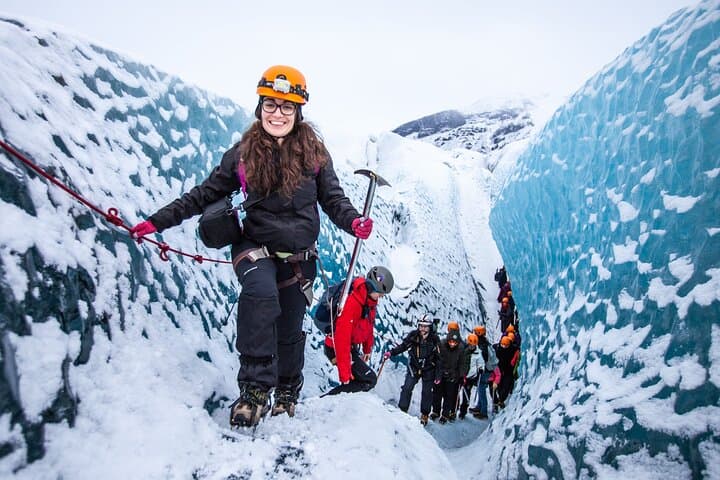
Beneath a sky of shifting light, Skaftafell’s ice reads like a map of time. This three-hour guided glacier hike mixes technical instruction with geology and culture: compact, safe, and unforgettable.
 Related story
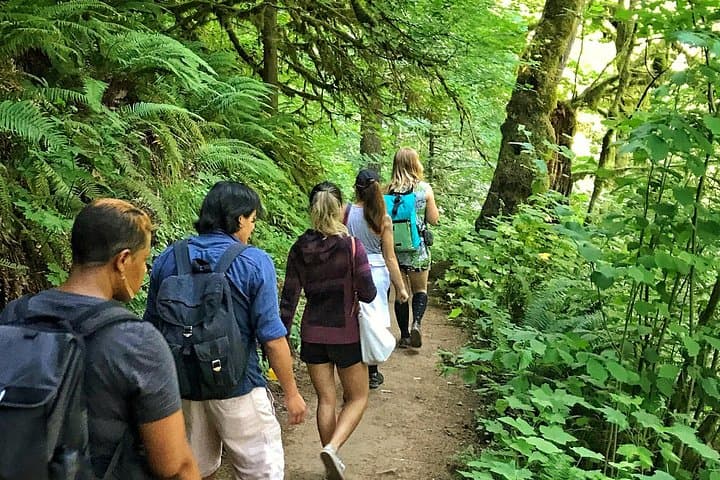
Lose the city for a few hours without leaving it: this 5-mile, 900-foot-gain Forest Park loop threads old-growth pockets, city viewpoints, and cultural landmarks for a compact taste of Portland’s wild side. Expect moss, roots, and stories.