
What the day feels like
You arrive in Ocho Rios with salt on your lips and a bus full of other travelers, but the moment the guide turns off the main road and the trees tighten into a living tunnel, the sound of traffic fades and the island breathes differently. Fern Gully is exactly what the name promises: a canyon of ferns and palms that leans in close, leaves dripping light across the windshield. The road smells of wet earth and cut greens; the driver slows as if not to wake the place. When the guide points to a break in the foliage, you step out into humid shade and feel the day change.
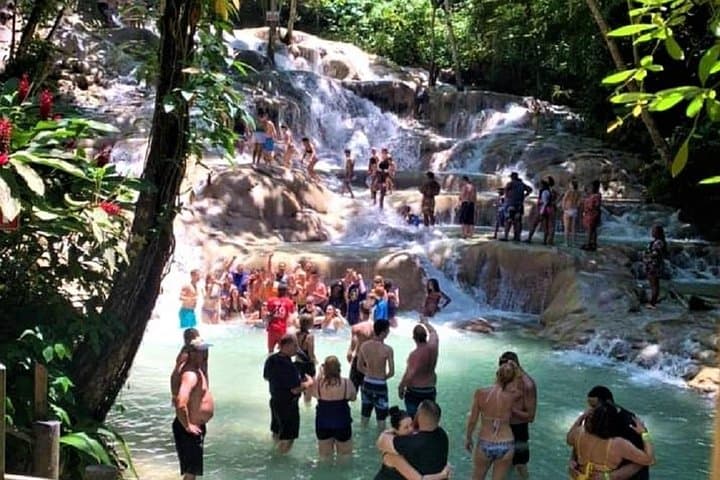
Dunn’s River Falls waits beyond the parking lot like a purpose-built theatrical climax—a terraced cascade that tumbles down limestone shelves and, uniquely, meets the Caribbean Sea. You don water shoes, join a small human chain led by a local guide, and start to climb. The rocks are warm from the sun; the water is cool and insistent, working at your pace and daring your balance. The climb isn’t alpine or technical—most visitors are families and day-trippers—but the river rewards attention: slick green algae, sudden pools, and miniature grottoes that beg for a quick rest and a photo.
Geology gives the falls its stairs. Rainwater, rich in dissolved calcium carbonate, deposits travertine as it moves over the limestone bedrock, building natural terraces over centuries. These steps make the river climbable—each pool a small reward—and they also create the white, veined formations that look almost sculpted. Historically and culturally, Dunn’s River has been central to the area since colonial times; the falls and surrounding mangroves have supported local fishing and small-scale agriculture for generations, and the site today blends a natural spectacle with a park infrastructure built for accessibility and safety.
Fern Gully is a foil to the falls—if Dunn’s is a vertical playground, the gully is a horizontal stroll through a living museum of ferns. Drive slowly and look up; tree trunks drip with epiphytes and vines, and in the right light the canopy turns the road into a green cathedral. Locals use the gully as a scenic route and an ecological showcase. The scene is as much about plants as it is about the rhythm of island life: small roadside stands, coconut vendors, and friendly banter between bus drivers.
Why come? The combo works on several levels. The falls are a kinetic, tactile experience—cold shocks and warm sun, a challenge that’s social more than athletic. Fern Gully is restorative: a cool, contemplative counterpoint that makes the whole day feel balanced. The tour is family-friendly and fits into a half-day or day trip from Falmouth or Montego Bay, which makes it an ideal shore excursion or a quick nature reset for travelers based in western Jamaica.
Practicalities are simple but matter. Expect roughly a 45–60 minute drive from Falmouth, and plan for 3–5 hours for the entire outing including transfers, the gully drive, and time on the falls—the Viator product lists a 5-hour window. The falls themselves climb roughly 180 feet (about 55 meters) over a distance of roughly 600 feet (about 180 meters); most parties spend 45–90 minutes navigating the cascades depending on crowding and how many photos you want. The human-chain guided climb is the standard and recommended approach—guides make the line safer and faster, and tipping is customary.
Timing changes the experience. Early visits (right at opening) have fewer people and cleaner light for photos; late afternoons bring a softer glow but slightly colder pools. Rain increases flow and slipperiness—it's more dramatic but also more hazardous—so pick a dry day if you want steady footing. Water shoes or sturdy sandals with good tread are non-negotiable. Bring a waterproof case or small dry bag for your phone and an extra shirt for the drive home. Expect basic park facilities, a staffed ticket desk, souvenir stalls, and local food vendors outside the park, where you can refuel on jerk chicken, fresh fish, and cooling fruit juices.
Conservation and etiquette: the site is managed and protected—stay on marked paths, don’t remove stones or plants from the terraces, and avoid chemical sunscreens that can affect water quality. Guides are trained both in safety and in preserving the site; follow their instructions during the climb and treat the experience as both adventure and stewardship.
For photographers, capture wide-angle shots from the beach where the river reaches the sea, and get low for intimate images of the terraces catching light. For a portrait, position your subject backlit against falling water to get that haloed, cinematic look.
At the end of the day, whether you’re rinsing off at a roadside stand or sipping a rum punch in Ocho Rios, the memory isn’t just of a waterfall. It’s of a place where island geology meets human curiosity, where a road becomes a tunnel of green, and where the Caribbean and a river decide to meet on the same terms.
Good planning makes the day easy: arrive with traction, pace yourself, follow the guide, and leave space in your schedule and your heart to notice the small things—ferns unfurling, the smell of cut sugarcane, and the satisfying clack of wet shoes on limestone.
Length, access, and local culture make this a tidy day trip that’s as rewarding for families as it is for independent travelers seeking a tactile, water-based adventure. You’ll come for a climb, but you’ll remember the way the world seemed greener for a few hours.
Trail wisdom
Small choices, better day.
Wear water shoes
Sturdy, grippy shoes protect feet on algal-slick limestone and make the climb safer and more enjoyable.
Join the human chain
Follow the guide’s line-up for safety and efficiency—guides stabilize groups and choose the best route up the falls.
Protect electronics
Use a waterproof phone case or small dry bag; handheld cameras can be used but should be tethered.
Time it early
Arrive at opening to avoid crowds and get cleaner light for photos; afternoons are busier and cooler.
Local knowledge
Read the place, not just the route.
Watch for native species including Green vervet monkeys (in surrounding woodlands), A variety of tropical birds like hummingbirds and bananaquits.
Keep an eye out for wildlife during the transition between areas and habitats. Respect distance guidelines.
Dunn’s River is managed to balance access and preservation—stay on marked routes, avoid leaving trash, and don’t remove stones or plants from the terraces.
Follow the guide's instructions on size limits, ethical handling, and leave-no-trace practices.
Walk the short coastal trail to the beach where the river meets the sea for quieter photo angles. Stop at a roadside jerk stand on the route between Falmouth and Ocho Rios for authentic flavors
Locally recommended viewpoints and quiet spots known best to local operators.
The falls and surrounding area have been important to local communities for centuries and were historically used for small-scale agriculture and fishing; colonial-era maps note the river’s strategic coastal position.
Maritime roots and regional tradition shape the waterways and working coasts.
Seasonal guide
Four versions of the same landscape.
Spring
Best forFewer crowds · Dry walking conditions · Wildflower viewing
ChallengesOccasional showers · Warm midday temperatures
Spring (March–May) brings warm, mostly dry weather—good footing and comfortable climbing conditions with fewer visitors than peak winter.
Summer
Best forLush vegetation · Longer daylight · Warm sea swims
ChallengesAfternoon tropical rains · Higher humidity · Slipperier rocks after storms
Summer is verdant and hot; expect brief heavy downpours that can boost flow and slipperiness on the terraces.
Fall
Best forQuieter tours · Pleasant temperatures · Good lighting for photos
ChallengesOccasional residual storm systems · Warm water temperatures
Fall is a quieter shoulder season with comfortable conditions—watch seasonal weather patterns that can influence river flow.
Winter
Best forDry season lift · Clear skies · Peak visibility
ChallengesHigher visitor numbers · Stricter tour schedules
Jamaica’s dry winter (Dec–Apr) is the most popular time—stable conditions and lower water turbidity but expect larger crowds.
Operator details
What the booking data adds.
Included
- ✓Transport by air-conditioned minivan
- ✓Hotel/ Port pickup and drop-off
Not included
- —Food and drinks
- —Gratuities
Good to know
- ✓Not recommended for pregnant travelers
- ✓Specialized infant seats are available
- ✓Not recommended for travelers with spinal injuries
- ✓Not recommended for travelers with poor cardiovascular health
- ✓Suitable for all physical fitness levels
- ✓Child rate applies only when sharing with 2 paying adults
- ✓Minimum age is 5 years
- ✓Passengers must be at least 36 inches (91 cm) tall to climb falls
- ✓At time of booking, Cruise ship passengers must provide the following information: ship name, docking time, disembarkation time and re-boarding time
- ✓Refunds will not be issued if tour/activity is missed due to late or non-arrival of cruise ship
- ✓Water shoes are required (rentals available at Dunn's River Falls for USD$15)
- ✓It is recommended that you bring cash for souvenirs, drinks, a towel, and a change of clothes
- ✓Cameras are allowed just ask the guide to take care of it for you.
- ✓Children must be accompanied by an adult
- ✓Dress code is casual with swim wear. Prepare to get wet.
Pack with intention
What to bring.
Good to know
Common questions.
Yes—many families visit. Children should wear water shoes and be part of the guided human chain; guides will help with footing. Assess your child’s comfort with slippery rocks and moving water before joining.
Plan the edges
The details that make the day easier.
Dunn’s River Falls is one of the few waterfalls in the world that empties directly into the sea, creating a unique beach‑waterfall interface.
After the climb, head into Ocho Rios for jerk pork or fresh fried fish and a cold Red Stripe; browse the craft market for wood carvings and woven goods or grab a roadside coconut for a refreshing finish.
- Closest major airport
- Sangster International Airport (MBJ, Montego Bay); Driving distance: ~45–60 minutes from Falmouth, ~20 minutes from central Ocho Rios; Cell service: reliable outside the park, patchy in shaded gully and along some river sections; Permits
- fees
- park entrance fee applies (often included in packaged tours).
This site is managed for both tourism and conservation—pack out trash, avoid chemical sunscreens that can affect water quality, and follow guide instructions to minimize impact.
Explore by topic
Follow the threads.
Keep exploring
Make the story part of the trip.
In four hours you can move from shaded canyon ferns to wind-scoured coastal ridgelines, guided by someone who knows where the light—and the hidden views—live. This private half-day hike on the Monterey Peninsula or Big Sur is compact, curated, and perfect for travelers who want depth without a multiday commitment.
 Related story
Beneath a sky of shifting light, Skaftafell’s ice reads like a map of time. This three-hour guided glacier hike mixes technical instruction with geology and culture: compact, safe, and unforgettable.
 Related story
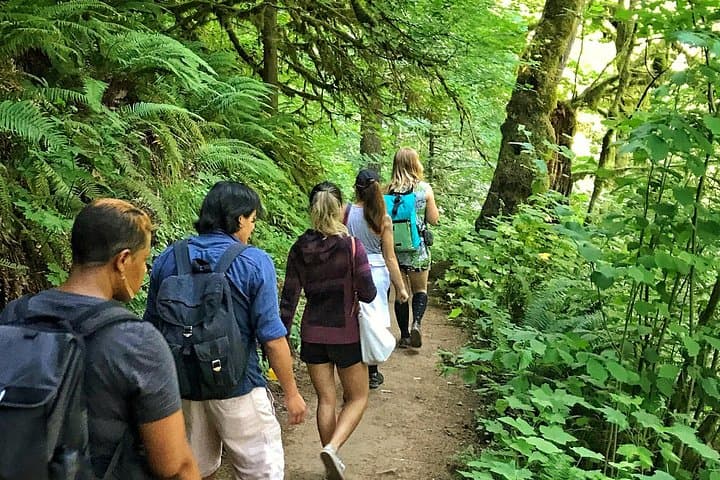
Lose the city for a few hours without leaving it: this 5-mile, 900-foot-gain Forest Park loop threads old-growth pockets, city viewpoints, and cultural landmarks for a compact taste of Portland’s wild side. Expect moss, roots, and stories.