
What the day feels like
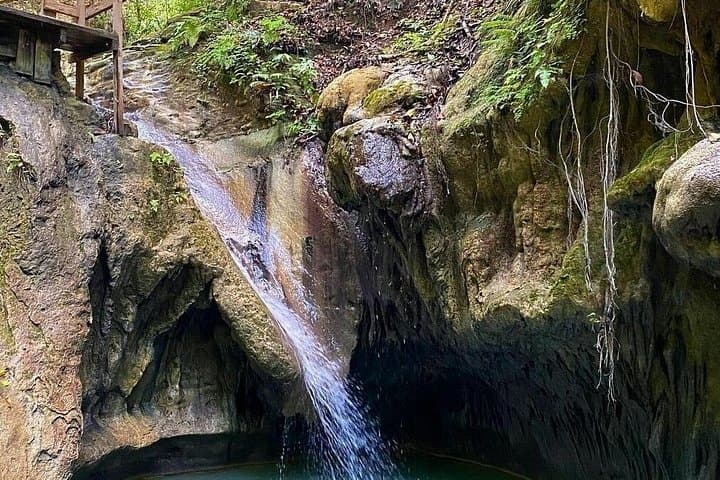
You step off the van with sand still clinging to your shoes and the Atlantic barely a memory behind you. The air here is different—humid, green, the kind that smells of wet stone and mango leaves—and the river ahead seems to dare you forward, bubbling with a voice that says, come on. At the Damajagua 27 Waterfalls, a series of cascades cut through northern Dominican limestone and volcanic rock, the trail feels less like a path and more like a negotiated conversation: the river wants you to swim, the rocks ask for attention, and the guide times your jumps like a referee at play.
The first thing you notice is movement: water sluicing over polished ledges, locals guiding groups with steady hands, and the odd shimmer of iridescent dragonflies. Though the experience is compact—this private group tour runs about three hours from pick-up to return—the sensory length of it feels far greater. You will hike, scramble, slide on shallow chutes, swim in blue-green basins and, if you want, leap from narrow cliff lips into hidden pools. It’s energetic, a little wild, and refreshingly democratic: the falls invite both cautious travelers and keen thrill-seekers to define their own pace.
The 27 Charcos of Damajagua—often shortened to the 27 Waterfalls—sit on the Río Damajagua, a tributary that has carved a stair of pools through limestone and older volcanic substrate. Geologically, this landscape records a slow, patient collaboration between flowing water and soluble rock: where limestone succumbs to dissolution, the river widens ledges and hollows basins; where harder rock resists, it forms the plunges that have become the jumps today. The area also carries cultural footprints. Indigenous Taíno peoples once navigated these same waterways long before colonial-era sugar plantations reoriented the coast. In the 20th century the site transitioned from a grazing and logging area to a protected tourist attraction, and local guide families—many from nearby Imbert and Puerto Plata—now run the on-site businesses and safety operations.
The social rhythm of Damajagua leans local. Guides are often young, deeply familiar with the river’s moods and your likely questions; they speak Spanish and conversational English and will organize your group so everyone moves safely between pools. If you arrive via the private transfer advertised with this tour, you’ll ride in a recent Toyota Hiace with A/C and Wi‑Fi, which makes the 30–50 minute approach from Puerto Plata or Cabarete comfortable and predictable.
Why come? It’s a compact, high-reward natural playground: the sequence of jumps and slides makes even a short outing feel like a mini expedition. The variety—gentle pools for floating, shaded stretches for cooling off, and steeper drops for the adventurous—keeps momentum dynamic and inclusive. And for travelers that like blending action with context, the setting offers a snapshot of Dominican interior life beyond beaches: small towns, fruit orchards, and a hospitality grounded in local families.
Practical edge: the whole circuit tends to take 2–3 hours on site; factor door-to-door about three hours with private transport. Expect roughly 3 km of combined walking and scrambling on uneven, often wet rock with a cumulative elevation change that's modest but intermittent. Bring footwear that grips and stays on in the water—closed-toe water shoes or sturdy sandals with straps are ideal. The day’s tempo is weather-dependent: after heavy rains the currents can intensify and some jumps are closed.
Safety and etiquette matter. Guides will provide helmets and life vests; use them. Don’t rush the jumps: scouts and guides know the safe lines and where submerged rocks lurk. Leave nothing behind—plastic trash harms riverine ecosystems and local livelihoods. If you’re photographing, brief the guide; they’ll point to the best overlooks but expect to keep movement quick so your group doesn’t bottleneck.
If you’re planning logistics: book the private pickup if you value time—this operator advertises a modern van with AC—and give yourself extra time for transfers if you’re coming from Puerto Plata’s Gregorio Luperón International Airport or from Cabarete. Late afternoons can be beautiful for light, but mornings are cooler and less crowded.
On the water: move with the river’s tempo. Swim when it asks; climb when it invites. The 27 Charcos are not a contest but a sequence of small choices—pick the pools that match your comfort zone, and you’ll leave with a few clean scrapes, a memory of a perfect cliff-launch, and a sense of having been part of a living landscape.
Costs are straightforward: this private-group format often lists prices from about $49 per person (subject to change) and includes transport, a guide, and basic safety kit, though food, tips, and personal photos may be extra. For travelers who like to pair activities, combine a shoreline morning in Cabarete or Playa Dorada with the waterfalls in the afternoon to see both the coast and the interior in a day.
If you go, treat this place like someone’s backyard: curious, exuberant, and worth protecting. The river relies on clean agriculture upstream and on visitors who come prepared to respect local rules. Walk steady, swim smart, and leave the echo of your boots and laughter—nothing else.
Trail wisdom
Small choices, better day.
Wear closed-toe water shoes
Sturdy, grippy shoes prevent slips on wet rock and protect toes when scrambling between pools.
Bring a dry bag
Use a small dry bag for phone, documents and a spare shirt—protects valuables during swims.
Listen to your guide
Follow local guides’ instructions for safe jump spots and swim lines—they know the river.
Timing matters
Mornings are cooler and less crowded; avoid visiting soon after heavy rains when currents intensify.
Local knowledge
Read the place, not just the route.
Watch for native species including Green iguanas, River birds such as kingfishers.
Keep an eye out for wildlife during the transition between areas and habitats. Respect distance guidelines.
Local guides rely on the falls for livelihoods; visitors should pack out all trash, avoid sunscreen in pools when possible, and respect marked trails to protect fragile aquatic habitats.
Follow the guide's instructions on size limits, ethical handling, and leave-no-trace practices.
A shaded overlook near the fifth cascade that’s excellent for photos away from crowds. Small fruit stalls near the trailhead selling fresh coconut water and mango slices
Locally recommended viewpoints and quiet spots known best to local operators.
The watercourse was used by Taíno communities before colonial settlement; more recently, the site transitioned from local use to an organized eco-adventure attraction.
Maritime roots and regional tradition shape the waterways and working coasts.
Seasonal guide
Four versions of the same landscape.
Spring
Best forcooler mornings · less crowd · good light for photos
Challengesoccasional late rains · variable flows
Spring brings comfortable temperatures and fewer visitors; check local forecasts for rain that can change river conditions.
Summer
Best forwarm water swims · long daylight · combining with beach time
Challengeshigher temperatures · summer showers
Summer is prime for swimming and pairing the trip with coastal stays, but afternoon thunderstorms can affect safety.
Fall
Best forfewer tourists · lush vegetation · stable water levels
Challengeshurricane season risk window early fall · possible heavy rains
Fall can be lush and quiet outside peak storm windows—monitor advisories during hurricane season.
Winter
Best fordry, stable weather · crisp light · comfortable hiking temps
Challengescooler mornings · more tourist traffic in high season
Winter offers the most stable weather and cooler hikes, though the site can be busier with international visitors.
Operator details
What the booking data adds.
Included
- ✓Private transportation
- ✓WiFi on board
- ✓WATER FALLS ENTRY
- ✓Air-conditioned vehicle
- ✓OPEN BUFFET
- ✓TOUR GUIDE,HELMET & LIFE JACKETS
Not included
- —zip line is not included
Good to know
- ✓Infants and small children can ride in a pram or stroller
- ✓Service animals allowed
- ✓Specialized infant seats are available
- ✓Not recommended for travelers with poor cardiovascular health
- ✓Suitable for all physical fitness levels
Pack with intention
What to bring.
Good to know
Common questions.
The on-site experience generally takes 2–3 hours; with private transport and transfers expect about a three-hour round trip from Puerto Plata.
Plan the edges
The details that make the day easier.
The Damajagua falls are often called the '27 Charcos'—a name referencing the sequence of natural pools formed by the river; the site is one of the most visited inland natural attractions in Puerto Plata province.
After the falls, head to Puerto Plata or Cabarete for local eats: try a casabe or sancocho at a family-run comedore and pick up cold Presidente beer at a beachfront bar. Small stalls near the trailhead often sell fresh coconut water and empanadas—perfect post-hike snacks.
- Closest airport
- Puerto Plata (POP); Driving distance: ~30–50 minutes from Puerto Plata
- Cabarete; Cell service
- intermittent near pools, reliable near parking; Permits: entrance fee typically included with organized tours
This river corridor supports community livelihoods and sensitive aquatic habitats—pack out all rubbish, avoid single-use plastics, use reef-friendly sunscreen, and heed guide instructions to minimize erosion and disturbance.
Explore by topic
Follow the threads.
Keep exploring
Make the story part of the trip.
Set out from Bass Harbor for a private, customizable day on Blue Hill Bay — lighthouses, puffins, seals, and the chance to feel Acadia from the water. Small groups, local captains, unforgettable views.
In four hours you can move from shaded canyon ferns to wind-scoured coastal ridgelines, guided by someone who knows where the light—and the hidden views—live. This private half-day hike on the Monterey Peninsula or Big Sur is compact, curated, and perfect for travelers who want depth without a multiday commitment.
 Related story
Beneath a sky of shifting light, Skaftafell’s ice reads like a map of time. This three-hour guided glacier hike mixes technical instruction with geology and culture: compact, safe, and unforgettable.