
What the day feels like
Morning in Asheville starts soft, with bakery steam rising over Pack Square and the Blue Ridge already sketching its dark line against a pale sky. By 8:30 a.m., you’re meeting your guide downtown, loading into a van with five other hikers, and watching the city peel away into winding mountain roads. The air cools with each curve. Rhododendron hedges lean in, and the forest seems to whisper the headline you came for: waterfalls, plural, and more of them than you thought possible.
The van climbs a shoulder of the Pisgah, then rolls to a stop at an unassuming trailhead. This is a small-group outing—six guests max—so the vibe is easygoing. Trekking poles, daypacks, and bottled water are available if you want them; snacks are packed. The guide sets the pace on a forest path threaded with roots and the confetti of last season’s leaves. Underfoot, the ground is an ancient quilt—very old rock wearing a young cloak of moss, lichen, and leaf litter. These mountains are some of the oldest on Earth, and the stream you’re tracing has been rehearsing the same curve for eons, carving down through gneiss and granite with quiet insistence.
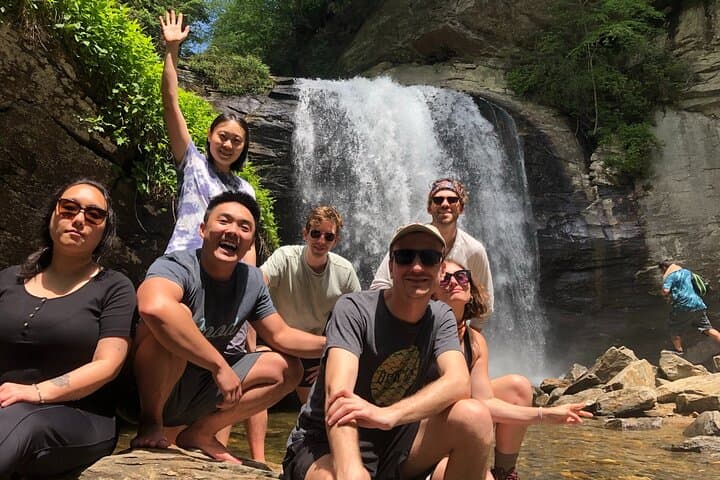
The first falls announce themselves by sound. Water drafts through the trees, pushing forward, daring you closer. You step onto a slick spur trail and feel the temperature drop as mist lifts in patient breaths. The cascade fans over a dark rock face, not a marquee name but a secret with momentum, the kind that keeps polishing the world one drop at a time. The guide shares a few safety notes—respect the splash zone, wet rock is treacherous—and then lets the group find its rhythm. Phones and cameras come out. A couple hugs the margin of spray, laughing as wind shuffles the mist. The falls have a personality of their own today: steady, a little playful in the gusts.
This tour is what the local tagline promises: a sampler of the Land of Waterfalls, the nickname owned by Transylvania County and embraced across these hills. The route changes with season and conditions, but expect two to three miles of easy-to-moderate hiking with short, punchy climbs and rocky steps. Expect to see at least two different waterfalls, often tucked off the main thoroughfares, where the forest’s voice gets louder and your shoulders drop. Expect to get a little damp—and to not mind at all.
If you’ve ever wondered why the Blue Ridge brims with cascades, the answer is as old as the rocks under your boots. Long before hikers came here, water followed the path of least resistance across fractured, metamorphic stone. Rain and snowmelt gather fast on these steep slopes, then tumble in swirls and sheets, creating the stair-stepping falls the region is famous for. The Cherokee lived amid these same waters, moving through a landscape where streams and springs were reminders of balance and renewal. Later, logging boomed—rail lines and splash dams briefly tried to make the rivers do the work of industry—and then the pendulum swung toward preservation. Pisgah National Forest became one of the country’s earliest eastern national forests in 1916, and the Biltmore Forest School across the ridge helped pioneer American forestry.
You feel that layered story in small ways: a moss-draped cut that might once have been a skid road; a hemlock shadowing the trail; interpretive signs near the ranger station that talk about the birth of managed forests. And always, the pulse of water.
On the second waterfall, the trail tightens into a rhododendron tunnel. A creek thread follows beside you, muttering in a steady undertone. The falls arrive in a sudden reveal—white water pouring into a jade pool, its lip shingled with slick rock. Sunlight throws a rainbow into the mist for a minute, then it’s gone, as if the wind edited the scene mid-sentence. Your guide spreads the group along dry, stable rock and shares a snack: something salty, something sweet. The conversation turns pragmatic: shoes with grip, why cotton is a bad idea, how a lightweight shell earns its place in a pack even on bluebird days.
That’s the dual appeal of this half-day: it’s both breathable and efficient. You get two and a half to three hours on the trail without committing an entire day, with transport handled and the route tuned to the group’s abilities. It’s accessible for newer hikers and still rewarding for veterans who like the guide’s shortcuts and low-key local intel: which overlooks catch the best morning light, where the salamanders like to linger under cool ledges, and which roadside stands do the best strawberries in June.
The return to Asheville is a re-entry, but a gentle one. You roll past tall sycamores and open pastures, the van quiet now, everyone scrolling through wet, luminous photos. The city’s breweries and bakeries wait, but the echo of falling water follows you back—an invitation to return, to chase another cascade on another bend of trail.
Practical notes to keep it simple: This is a five-hour tour door-to-door with a small group; transport and snacks are included. Expect a two-to-three-mile hike on easy-to-moderate terrain, with wet roots, rock steps, and the occasional short, steep pitch. Bring a rain shell and an extra layer even in summer, because mountain weather makes its own decisions. And yes, the waterfalls are as plentiful as the brochures promise—these mountains have been perfecting the art of falling water for a very long time.
Trail wisdom
Small choices, better day.
Footing First
Wear closed-toe hiking shoes with sticky rubber; wet rock and roots around falls are notoriously slick.
Layer for the Ridge
Pack a lightweight rain shell and a warm layer—mountain weather shifts quickly, even on sunny days.
Keep Gear Dry
Bring a small dry bag or zip-top bag for your phone and a microfiber cloth to wipe spray off lenses.
Respect the Hydraulics
Don’t climb slick boulders or wade under waterfalls; currents and undertows can be deceptively strong.
Local knowledge
Read the place, not just the route.
Watch for native species including Red-spotted salamanders near cool, damp ledges, Pileated woodpeckers drumming in mature hardwoods.
Keep an eye out for wildlife during the transition between areas and habitats. Respect distance guidelines.
Stay on durable surfaces and avoid stepping on mossy rocks—these microhabitats are fragile and slow to recover. Pack out all trash and skip building rock cairns.
Follow the guide's instructions on size limits, ethical handling, and leave-no-trace practices.
Cradle of Forestry Heritage Site for a quick forestry history walk after the hike. Short interpretive trail at the Pisgah Ranger Station to learn local ecology
Locally recommended viewpoints and quiet spots known best to local operators.
Pisgah National Forest, established in 1916, grew from the Biltmore Estate’s forestry legacy and helped shape modern American forest management.
Maritime roots and regional tradition shape the waterways and working coasts.
Seasonal guide
Four versions of the same landscape.
Spring
Best forHigh water flows · Wildflowers and fresh greens
ChallengesFrequent showers · Muddy, slick trails
Expect roaring cascades and cool mornings. Rain is common—bring a shell and shoes with traction.
Summer
Best forShaded forest hiking · Family-friendly conditions
ChallengesAfternoon thunderstorms · Humidity and bugs
Warm days and lush canopy make for pleasant hiking; start early to avoid storms and crowds.
Fall
Best forPeak foliage views · Crisp, stable weather
ChallengesSlick leaf litter · Busy trailheads
Gold and crimson hills frame the cascades; cooler temps are ideal, but parking fills quickly on weekends.
Winter
Best forIcy formations at waterfalls · Quiet trails
ChallengesBlack ice on rocks · Limited facilities
Thin crowds and crystalline spray reward prepared hikers. Dress warmly and tread with care.
Pack with intention
What to bring.
Good to know
Common questions.
Expect 2–3 miles on easy-to-moderate trails with short, occasional steep sections and wet, uneven footing near waterfalls.
Plan the edges
The details that make the day easier.
Transylvania County, often called the Land of Waterfalls, is home to more than 250 named waterfalls within the Blue Ridge Mountains of western North Carolina.
Back in Asheville, refuel at Buxton Hall Barbecue for wood-smoked Carolina classics or grab tacos at White Duck by the river. Wash it down with a pilsner at Burial Beer Co. or a sour at Wicked Weed Funkatorium. Coffee people should hit High Five Coffee in the morning, and if you’re headed south, the Sierra Nevada Mills River taproom makes a worthy detour for a celebratory pint and soft pretzel.
- Closest airport
- Asheville Regional (AVL). Meet in downtown Asheville; most trailheads are 45–75 minutes away by van. Cell service is spotty to nonexistent on many forest roads—download maps before leaving town. No permits required for day hiking in Pisgah or DuPont, but parking can be limited on peak weekends.
These streams feed sensitive mountain ecosystems. Stay on established paths, don’t shortcut switchbacks, and avoid scrambling over mossy or wet rock to protect fragile plant life and aquatic habitats.
Explore by topic
Follow the threads.
Keep exploring
Make the story part of the trip.
In four hours you can move from shaded canyon ferns to wind-scoured coastal ridgelines, guided by someone who knows where the light—and the hidden views—live. This private half-day hike on the Monterey Peninsula or Big Sur is compact, curated, and perfect for travelers who want depth without a multiday commitment.
 Related story
Beneath a sky of shifting light, Skaftafell’s ice reads like a map of time. This three-hour guided glacier hike mixes technical instruction with geology and culture: compact, safe, and unforgettable.
 Related story
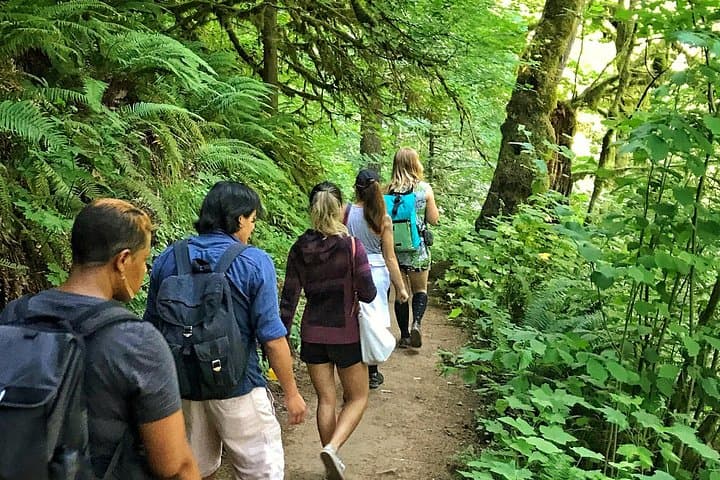
Lose the city for a few hours without leaving it: this 5-mile, 900-foot-gain Forest Park loop threads old-growth pockets, city viewpoints, and cultural landmarks for a compact taste of Portland’s wild side. Expect moss, roots, and stories.